AI photo booths are transforming events by making photography more personal, interactive, and engaging. They use advanced features like facial recognition, green screen effects, and real-time data analytics to deliver tailored photos and boost social media visibility. Here’s what makes them stand out:
-
Facial recognition: Suggests filters, props, and effects based on the individual’s features.
-
Dynamic templates: Automatically adjusts layouts to match event themes and photo composition.
-
AI green screens: Replace physical backdrops with digital scenes, simplifying logistics.
-
Real-time data: Tracks engagement, user preferences, and social sharing to improve event strategies.
-
Generative AI effects: Create custom transformations like cartoon characters or themed environments.
-
Accessibility: Includes voice commands, screen readers, and hybrid event support for remote participants.
These booths don’t just take photos – they create shareable moments while giving event organizers actionable insights to optimize future events. Whether for weddings, corporate gatherings, or product launches, AI photo booths are reshaping how events connect with audiences.
Why AI Photo Booths Are the Next Big Thing (And How to Use Them)
AI Features That Personalize Photo Booth Experiences
AI has redefined photo booth technology, making it smarter and more interactive. These advanced systems now adapt to individual users, offering tailored experiences through facial recognition, custom designs, and real-time data analysis. Together, these features create a cohesive and engaging photo booth experience.
Facial Recognition for Tailored Experiences
Facial recognition technology plays a central role in making photo booths more personal. By analyzing facial features such as shape, age, and even expressions, the system can recommend filters and effects that enhance the user’s appearance. It can also suggest props or templates that align with the user’s preferences, ensuring a more customized experience.
Dynamic Templates and Branding Made Easy
Dynamic templates and branding bring flexibility and creativity to event photography. Instead of static overlays, the system uses AI to generate layouts that incorporate logos, event themes, and matching colors. The templates adjust automatically based on the photo’s composition and the number of people in the frame, maintaining visual balance. Over time, the system refines its suggestions by analyzing user feedback and social media engagement, prioritizing designs that resonate with audiences.
AI-Powered Green Screen Capabilities
AI green screen technology eliminates the hassle of physical backdrops. Using tools like Foto ATM’s AI Green Screen, the system can seamlessly replace backgrounds with digital scenes – whether it’s a branded design, a cityscape, or a fantasy world. Users can select from pre-loaded options or upload custom backgrounds that match the event’s theme. This setup simplifies logistics and opens up endless creative possibilities.
Real-Time Data for Smarter Engagement
Beyond capturing fun moments, photo booths equipped with real-time data and analytics provide valuable insights. These systems track metrics like user counts, popular templates, engagement rates, and social sharing activity, all displayed on live dashboards for event organizers. They also gather demographic data, helping businesses understand their audience better. With machine learning, the system continually improves its recommendations, using past interactions to enhance future events and maximize user engagement.
Step-by-Step: Setting Up an AI-Powered Photo Booth
Setting up an AI-powered photo booth involves careful planning, from picking the right hardware and software to fine-tuning personalization features. By following these steps, you can create an engaging and seamless experience for users. The process includes choosing equipment that can handle AI tasks, setting up customization options, and thoroughly testing everything before going live.
Choosing the Right Hardware and Software
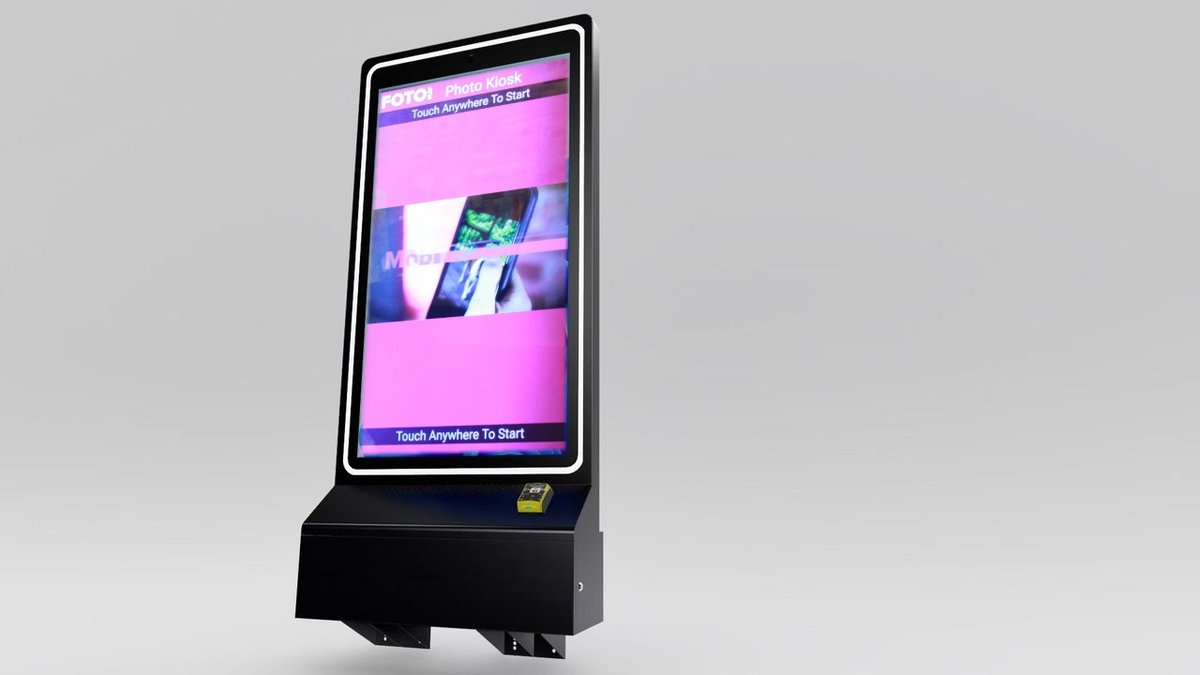
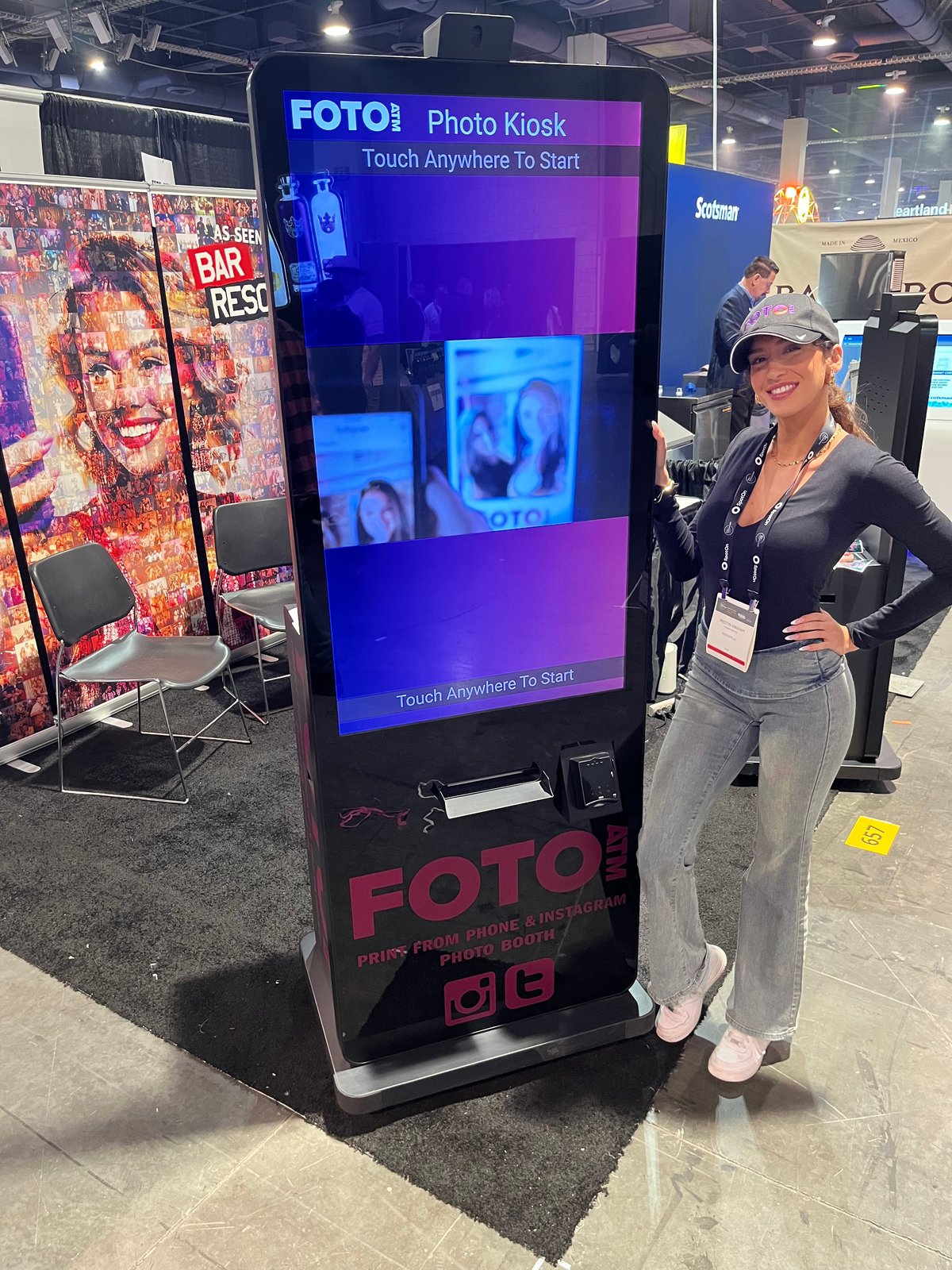
The hardware is the backbone of your AI photo booth. You’ll need a kiosk equipped with a high-resolution camera (4K is ideal), a large interactive touchscreen for user-friendly navigation, a reliable printer for instant photo output, and a powerful processor to handle AI tasks in real-time. For the touchscreen, opt for a size between 32 to 55 inches to ensure easy interaction.
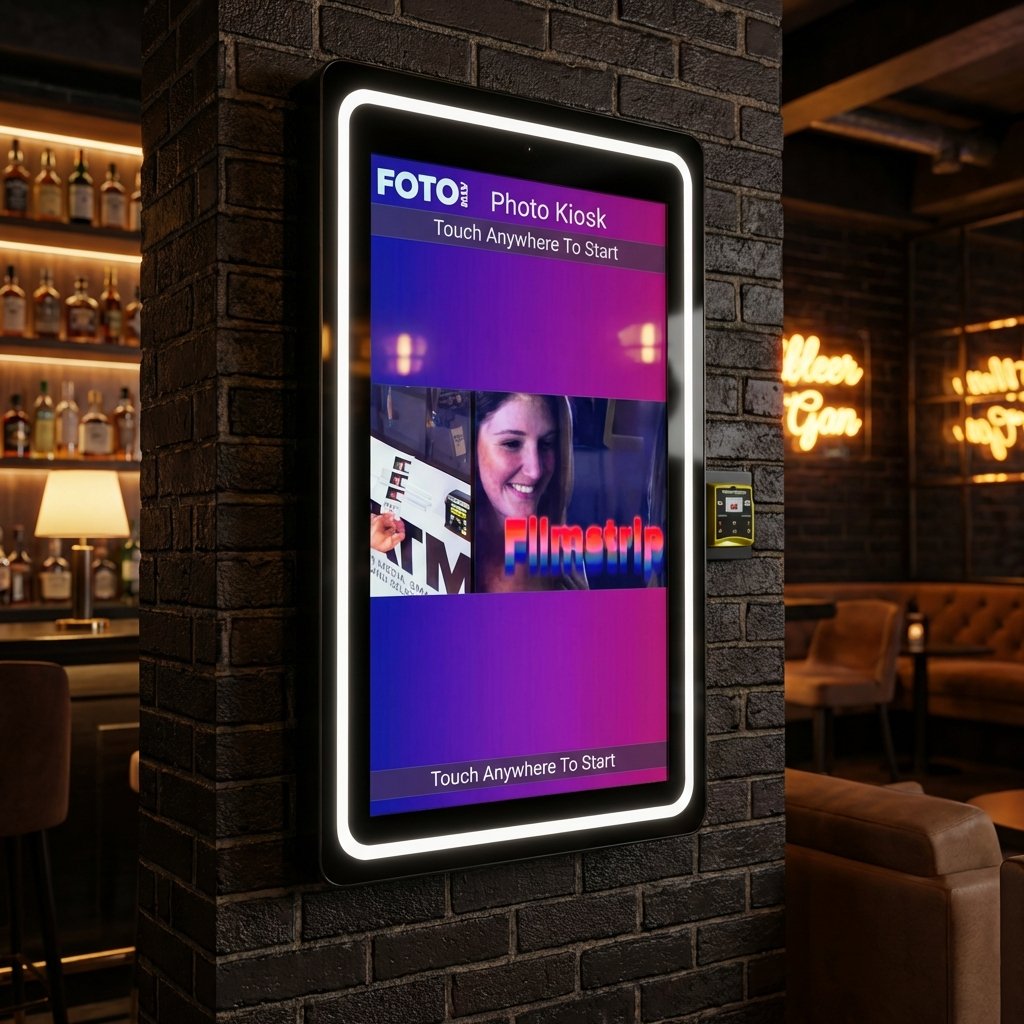
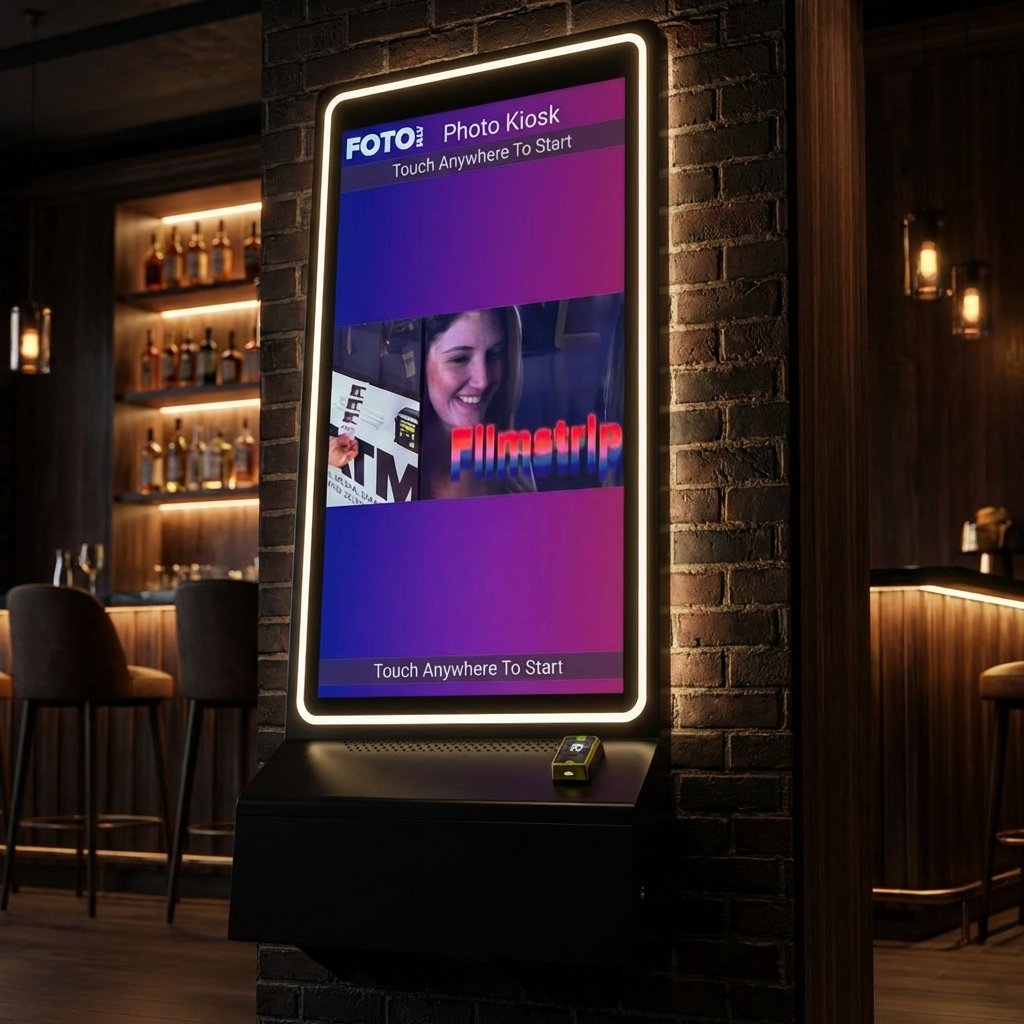
When selecting kiosks, think about portability and durability. For venues like bars, restaurants, or event spaces, the equipment should work for both permanent setups and mobile events. Models like Foto ATM’s Vista and Vero kiosks are great examples – they’re built for unattended use and can adapt to different environments.
On the software side, cloud-based solutions are a smart choice. They allow for remote management, instant updates, and centralized photo storage. Look for software with essential features like facial recognition, dynamic template options, AI-powered green screen effects, and real-time analytics dashboards.
If you plan to charge users, include payment processing capabilities. Many kiosks can be upgraded with EMV card readers, bill acceptors, or mobile payment systems using convertible mounts, giving you flexibility as your business grows.
Configuring Personalization Features
Once you’ve chosen your hardware and software, it’s time to set up personalization features to make the most of AI capabilities. Start with facial recognition by calibrating it for accuracy. Adjust the camera to eye level and ensure the lighting is even and diffused to avoid shadows or glare. Test with a diverse group of participants to confirm consistent recognition.
For dynamic templates, upload branded overlays, event-specific graphics, and themed backgrounds into your software. The AI can suggest templates based on facial features or user preferences, or users can select from personalized recommendations. Use your cloud-based system to upload logos and custom visuals that match your event’s theme. Test these elements on both digital displays and printed photos to ensure they look great across formats.
AI-powered green screen technology is another game-changer. Instead of physical backdrops, upload custom backgrounds that align with your event’s theme.
To amplify the experience, integrate social media features. Configure hashtags for platforms like Instagram and Twitter, and set up branded social walls that display photos in real time, boosting your event’s online presence.
After configuring these features, run thorough tests to ensure everything works smoothly during live events.
Testing and Preparing for Live Events
Testing is crucial to avoid hiccups during the event. Simulate real-world conditions by running multiple tests with participants to check facial recognition accuracy, system responsiveness, and the smooth operation of AI features like green screen effects and template matching.
Test your setup on-site to account for factors like lighting and camera positioning. Make sure the camera is at eye level and the environment is free of clutter. Use ring lights or softboxes to maintain consistent, diffused lighting.
Cloud-based software is a huge help during testing and deployment. With remote management tools, you can monitor performance, tweak settings, and troubleshoot issues without needing to be physically present.
“As a vendor, it’s important to have real-time updates on how my products are performing, and with Foto ATM’s FotoBooth app I’m able to view analytics and update my kiosks remotely from my phone”, says Jim Kershbaumer, Owner of Cash Cow Vending.
Gather user feedback during testing by enabling digital surveys or quick prompts on the touchscreen after each session. Ask about ease of use, satisfaction with the personalization features, and any suggestions for improvement. Combine this feedback with real-time analytics to identify and fix any issues before the event.
Finally, test all payment methods to ensure transactions run smoothly and receipts print correctly. Have technical support on standby during testing to resolve any problems quickly, ensuring you’re fully prepared for the big day.
sbb-itb-3201140
Advanced Customization with AI
Setting up an AI-powered photo booth brings a whole new level of excitement to events. These setups go far beyond basic features like background swaps or template matching, offering cutting-edge tools that make any gathering unforgettable.
Generative AI for Photo Effects
Generative AI takes photo customization to the next level by creating one-of-a-kind transformations that turn regular portraits into artistic keepsakes. Instead of relying on standard filters, this technology analyzes each person’s facial features to generate effects tailored just for them.
Some standout features include character transformations – guests can see themselves as cartoon characters, superheroes, or even historical figures.
Another highlight is professional-grade enhancements. Generative AI can mimic studio lighting, apply virtual makeup, and even change outfits in real time. It’s like having a professional photo studio at your event, minus the need for expensive gear or on-site photographers.
The technology also excels at crafting themed environments that match your event’s vibe. For instance, a tech company might create futuristic cityscapes for attendees, while a travel agency could transport guests to exotic destinations with photorealistic AI-generated backdrops.
These features don’t just make photos look amazing – they set the stage for interactive, engaging experiences.
Interactive Props and Frames
On top of custom photo effects, interactive virtual props bring a whole new layer of fun. Augmented reality (AR)-powered props and frames let guests immerse themselves in the experience, offering endless creative options without the hassle of physical props.
The prop selection process is easy and entertaining. Guests can use a touchscreen to browse categories like seasonal decorations, sports gear, themed accessories, or branded items. At a holiday party, for example, virtual props might include Santa hats, reindeer antlers, or snowflakes. For corporate events, props could feature company swag, industry-related items, or custom branding.
Dynamic text overlays add even more personalization. Guests can include their names, event hashtags, or custom messages, choosing from a variety of fonts and styles. The AI even ensures the text is placed thoughtfully, avoiding faces or key visual elements.
Thanks to real-time rendering, guests can see exactly how their props and overlays will look before snapping their photo. They can mix and match, adjust placements, and experiment until they find their ideal setup.
For event organizers, this opens up major branding opportunities. Custom virtual props featuring logos, product images, or themed designs turn every photo into a shareable marketing tool when guests post them on social media.
Accessibility and Hybrid Event Integration
AI photo booths aren’t just about creativity – they’re designed to be inclusive and adaptable, ensuring everyone can join in the fun, whether they’re at the event or participating remotely.
Accessibility features make these booths user-friendly for everyone. Voice commands help guests with mobility challenges, screen readers assist those with visual impairments, and interfaces can be adjusted with larger buttons, high-contrast displays, and simplified navigation.
Hybrid event support is another game-changer. Remote attendees can join the experience through cloud-based platforms, uploading their photos and enjoying the same AI effects and virtual props as in-person guests.
The “Print from Phone” feature bridges the gap between digital and physical keepsakes. Remote participants can send their enhanced photos to the event’s kiosk, where they’re printed and displayed alongside photos from on-site attendees. This creates a unified experience that connects everyone, no matter where they are.
Social media integration ties it all together. Personalized hashtags and real-time sharing let both in-person and remote guests contribute to a shared digital space. This extends the event’s reach far beyond the venue.
Event organizers also benefit from real-time analytics. Cloud-based dashboards track engagement, showing participation rates, popular effects, and social media activity. These insights help organizers understand what works and plan even better events in the future.
“As a vendor, it’s important to have real-time updates on how my products are performing, and with Foto ATM’s FotoBooth app I’m able to view analytics and update my kiosks remotely from my phone”, says Jim Kershbaumer, Owner of Cash Cow Vending.
Remote management tools like these are essential for ensuring smooth experiences for both in-person and virtual attendees.
With all these innovations, AI-powered photo booths are redefining how events create lasting memories and meaningful engagement.
Measuring Success and Optimizing Engagement
Once your AI-powered photo booth is up and running, tracking its performance becomes essential. The data you gather during events can uncover what’s working well and highlight areas that need improvement, helping you refine the experience for future users.
Using Real-Time Dashboards
Real-time dashboards offer instant insights into your photo booth’s performance during events. These tools can monitor key metrics like total sessions, sharing rates, engagement duration, and even demographic details such as age and gender.
This live data lets you make quick adjustments on the spot. For instance, if participation dips during certain hours, you can ramp up booth promotions or tweak the user interface to make it more engaging. If sharing rates fall, emphasizing the booth’s instant social sharing features can encourage more activity online.
You can also use peak usage data to fine-tune your approach mid-event. For example, if younger guests gravitate toward animated effects while older attendees prefer classic templates, you can adjust the default options or launch targeted promotions tailored to each group’s preferences.
Foto ATM’s cloud platform makes monitoring even easier. With this system, you can track performance across multiple locations simultaneously, making it a perfect solution for businesses operating booths in various venues across the country.
“As a vendor, it’s important to have real time updates on how my products are performing, and with Foto ATM’s FotoBooth app I’m able to view analytics and update my kiosks remotely from my phone. Highly recommend to any photo booth professional.” – Jim Kershbaumer, Owner, Cash Cow Vending
This remote management feature means you can troubleshoot issues, update content, or optimize settings without needing to be physically present at each location. It saves time and ensures consistent performance across all your booths.
These real-time insights set the stage for further improvements by incorporating direct user feedback.
Incorporating User Feedback
While metrics provide the numbers, user feedback adds the context. Gathering feedback right after a photo session helps you identify specific ways to improve the experience.
One way to do this is through on-screen surveys. Simple tools like emoji reactions or star ratings often encourage higher response rates, while optional text fields let users share more detailed suggestions or concerns.
Another effective method is using QR code surveys. Guests can scan a code after their session, leading them to a quick survey on their mobile device. This approach makes it easy to collect more in-depth feedback without disrupting the event flow.
The feedback you collect can directly influence updates to your AI system. For instance, if users frequently mention that certain effects don’t work well with their skin tone or that the interface feels confusing, you can retrain AI models to improve facial recognition and simplify navigation. Feedback on preferred features can also guide you in developing new templates, backgrounds, or props, as well as refining the overall design for a more user-friendly experience.
In the U.S., privacy is a critical consideration when collecting feedback. Always ensure guests understand how their data will be used by providing clear consent options. Offering opt-out choices and adhering to laws like the California Consumer Privacy Act (CCPA) builds trust and encourages honest responses.
By combining real-time analytics with user feedback, photo booth operators can create a continuous cycle of improvement. This approach not only shows what’s happening at an event but also helps uncover the reasons behind it, enabling smarter, data-driven decisions.
Regularly analyzing post-event data and feedback can also reveal patterns across different event types and audiences. Over time, this insight allows you to develop templates and features that resonate with specific groups, whether you’re catering to corporate events, weddings, or retail activations.
Conclusion: Improving Events with AI-Powered Photo Booths
AI-powered photo booths are changing the way we experience events, transforming simple photo sessions into unforgettable and shareable moments that align with the expectations of today’s tech-savvy audiences.
These booths don’t just enhance guest experiences – they deliver results. Event companies have reported a doubling in sales after incorporating AI-powered photo booths into their offerings. By providing personalized, one-of-a-kind experiences, these booths not only boost bookings but also offer detailed insights into event performance through real-time analytics and remote management tools.
With features like dynamic templates, custom overlays, and personalized backgrounds, every photo becomes a reflection of your event’s theme or brand identity. And thanks to instant sharing options via QR codes, email, and social media, these booths can increase social media engagement by as much as 30% compared to traditional setups. Each photo serves as a branded keepsake, extending your event’s reach long after it ends.
The data-driven insights provided by these systems allow event organizers to refine their strategies, proving ROI to stakeholders and improving future events. With advanced features like facial recognition, AI-powered green screens, and cloud-based management, these photo booths create experiences that guests will talk about for years.
If you’re looking to take your events to the next level, Foto ATM offers a comprehensive solution. Their AI-powered kiosks come equipped with cutting-edge technology, including customizable branding, real-time analytics, and cloud-based management. Designed to operate seamlessly across various venues – from corporate gatherings to retail spaces – these unattended kiosks ensure your investment remains aligned with the latest trends in event engagement.
AI-powered photo booths are redefining what’s possible at events, combining personalization, convenience, and data-driven insights to create memorable experiences that deliver real value.
FAQs
How does facial recognition make photo booth experiences more personalized?
Facial recognition technology takes photo booth experiences to the next level by identifying individual features and instantly customizing effects. This means users can enjoy personalized photo templates, filters, or animations that align with their unique preferences.
AI-powered tools also make it easy to incorporate features like dynamic green screen backgrounds. These backgrounds adjust in real time to each person, offering a fun and tailored experience that feels both interactive and engaging.
What makes AI-powered green screens better than traditional backdrops in photo booths?
AI-powered green screens open up a world of flexibility and creativity that traditional physical backdrops just can’t match. They let users effortlessly swap and customize backgrounds, making every photo feel unique and perfectly suited to the event or theme. Plus, they eliminate the hassle of lugging around bulky setups, offering a sleek and efficient alternative for photo booths.
Thanks to AI, backgrounds can be adjusted in real-time, delivering engaging, personalized experiences. It’s an ideal solution for events, businesses, and venues aiming to make a lasting impression.
How can AI photo booths help event organizers improve future events using real-time data?
AI-powered photo booths give event organizers access to real-time data and analytics, making it easier to fine-tune their events on the spot. With the help of cloud-based software and mobile apps, they can keep an eye on performance, track engagement levels, and even adjust photo booth settings instantly during the event.
This data reveals valuable insights, like which features guests love the most, when usage hits its peak, and what attendees prefer overall. Armed with this information, organizers can make smarter choices for future events. Plus, it opens the door to tailored customization options, creating a more engaging and personalized experience for everyone involved.
Ready to add passive revenue to your venue? Take the 60-second kiosk quiz to find your perfect match, or compare all models side by side.