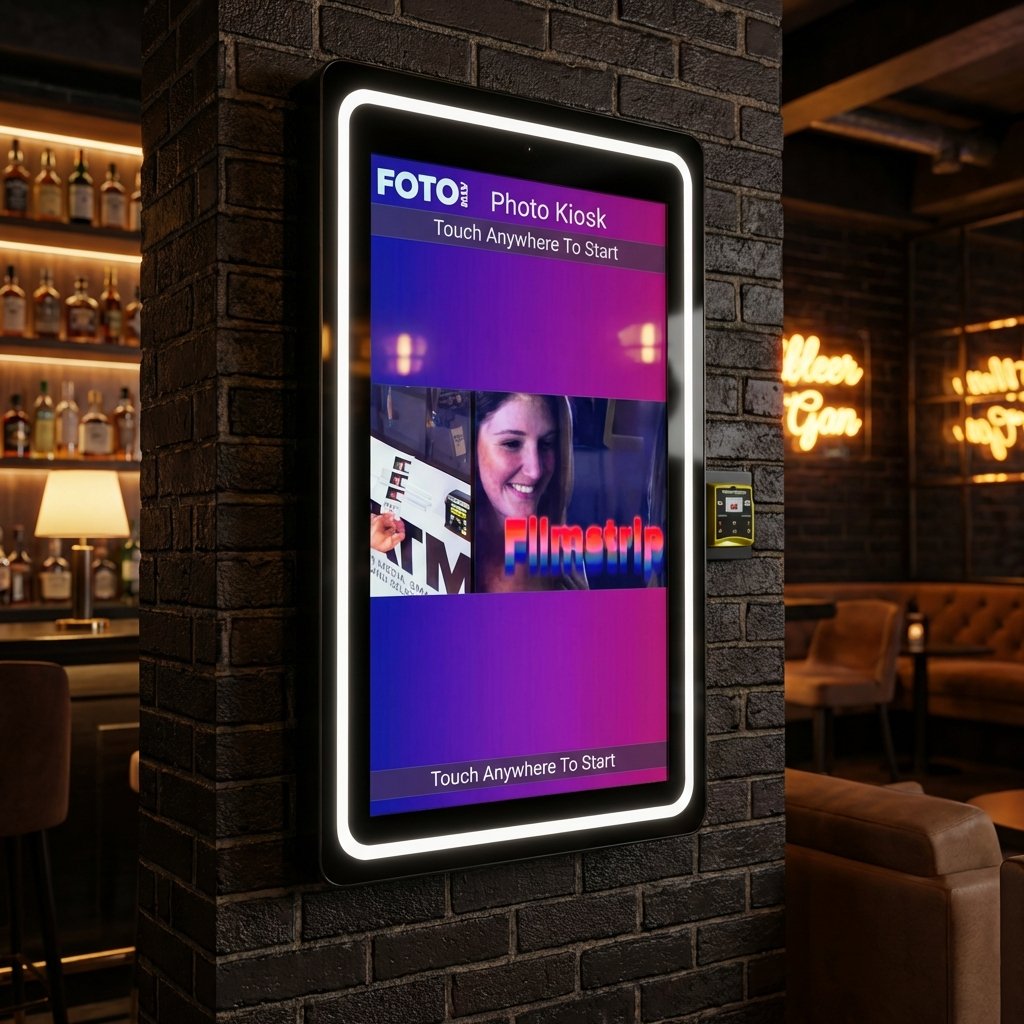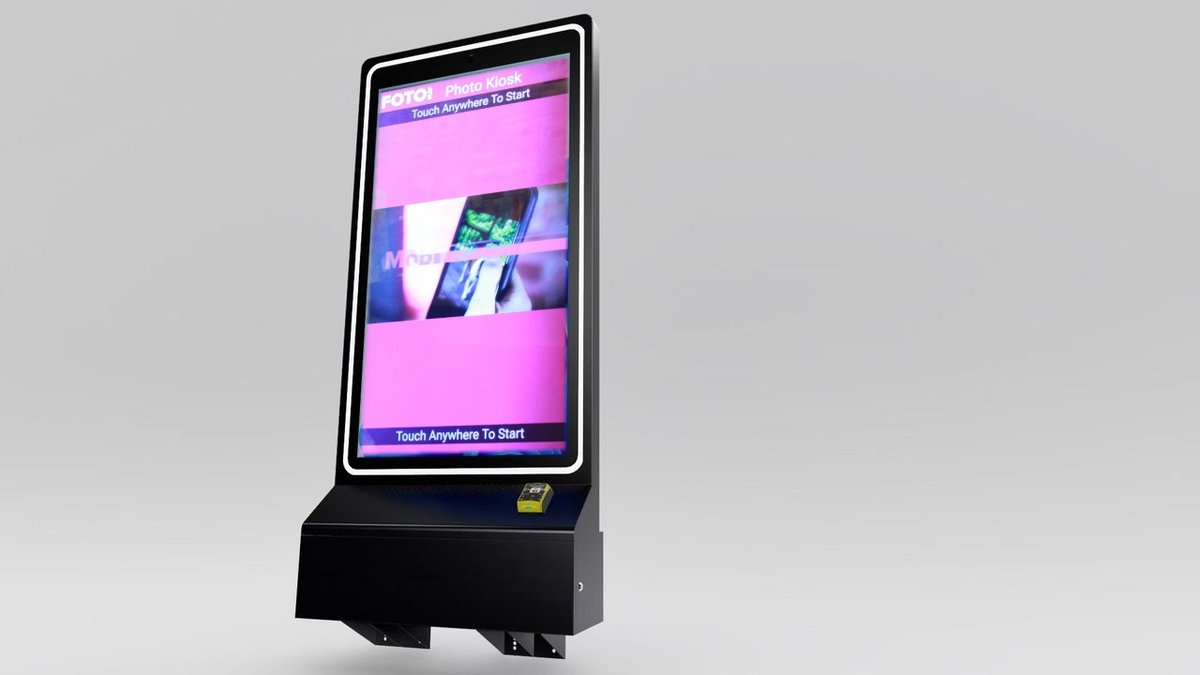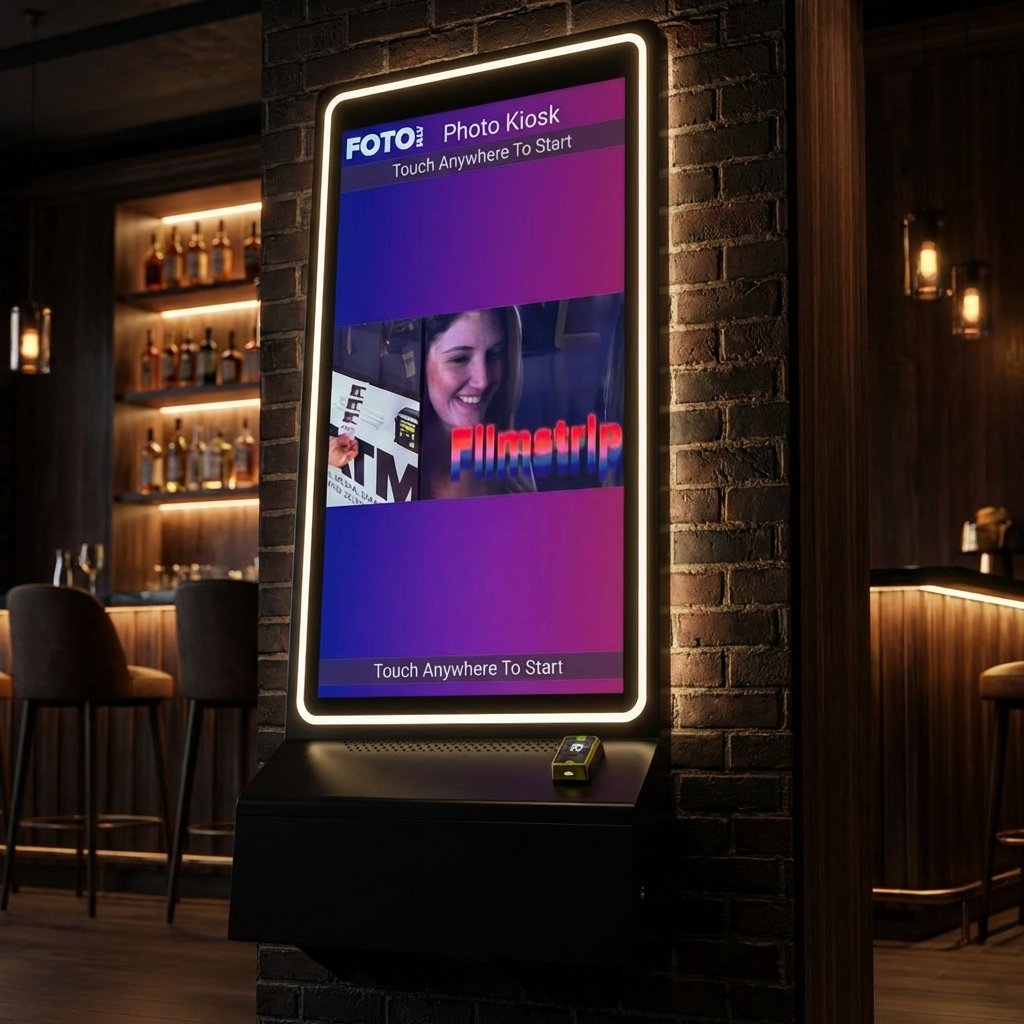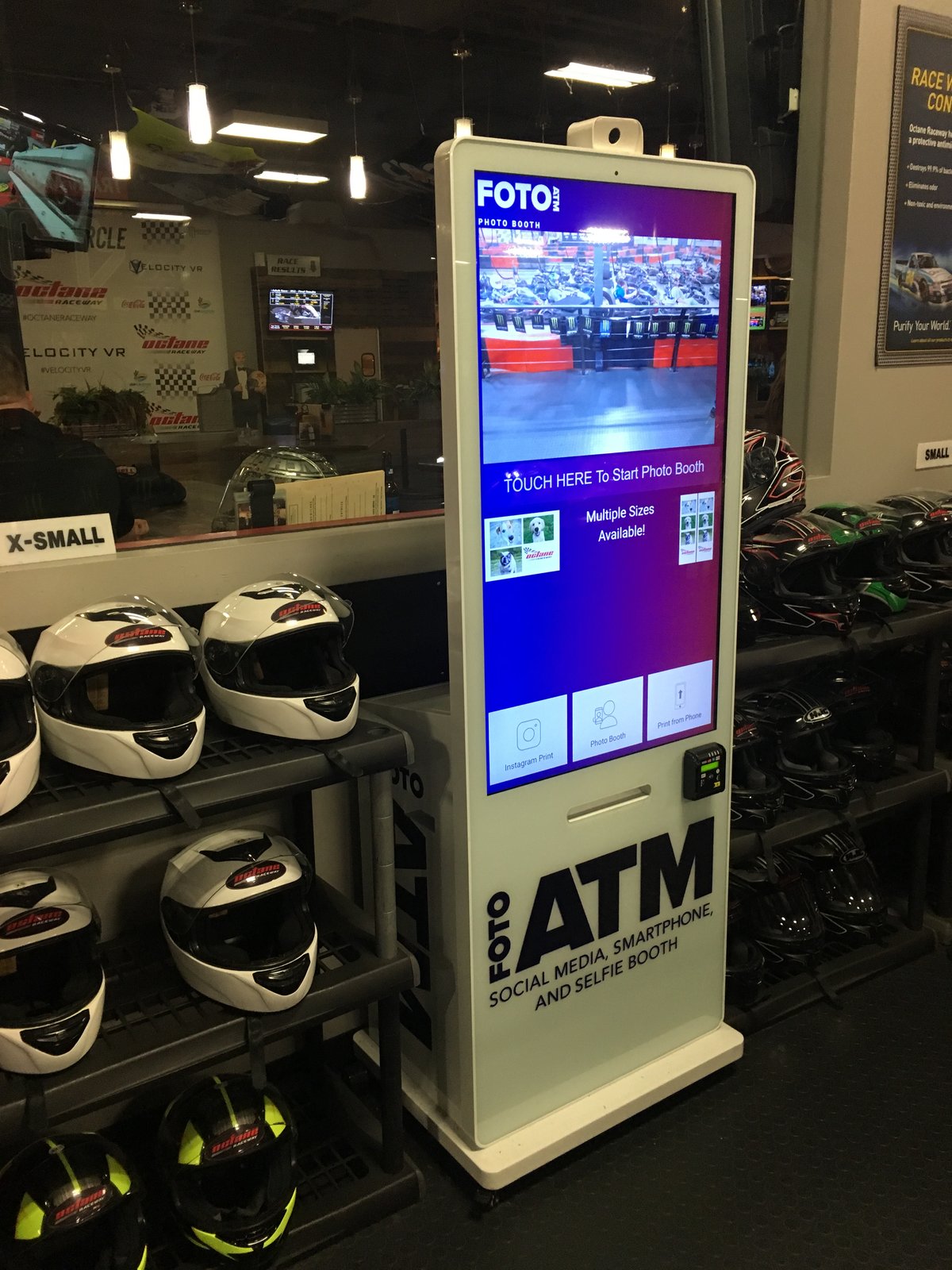
AI-powered photo kiosks are transforming event photography by offering interactive, automated features that save time, reduce staffing, and boost guest engagement. These kiosks provide tools like touchless controls, real-time photo adjustments, AI green screens, and social media-ready images, making them a practical choice for events of all sizes.
Key highlights:
-
Touchless Operation: Voice-guided systems reduce staffing needs by up to 50%.
-
AI Green Screens: Swap backgrounds in real time without bulky equipment.
-
Real-Time Image Adjustments: Automatic lighting, framing, and color optimization.
-
Social Media Integration: Instant delivery of branded photos for easy sharing.
-
Cost-Effective Options: Hardware starts at $4,999; software plans begin at $49/month.
These kiosks also provide real-time analytics to help planners measure performance, boost event revenue, and improve event strategies. Whether for corporate events, weddings, or festivals, AI photo kiosks are reshaping how photos are taken and shared, creating memorable experiences while keeping operations simple.
Why AI Photo Booths Are the Next Big Thing (And How to Use Them)
sbb-itb-3201140
AI Features in Photo Kiosks
Modern photo kiosks now offer AI-powered features that cater to what event planners prioritize most: enhancing guest experiences while reducing the need for constant oversight. These advancements are reshaping how photos are captured and shared at events.
AI Green Screen Technology
AI green screen technology eliminates the need for traditional backdrops, specialized lighting, and bulky equipment. Using neural networks, these systems can separate subjects from their backgrounds in real time with remarkable precision. This “Edge Perfection” ensures clean separation, even around tricky areas like hair and intricate clothing details. This is especially handy in venues with limited space or challenging lighting conditions.
The creative potential is immense. Guests can appear in scenes ranging from tropical beaches to outer space – or even custom-branded environments. Some systems take it a step further by incorporating generative AI, which can produce photorealistic backgrounds based on simple text prompts.
For example, Foto ATM offers a flexible credit-based system for its AI green screen feature. Plans start at 50 credits for $20 per month and go up to 1,000 credits for $160 per month, making it an option for both small-scale events and high-volume operations.
Beyond swapping backgrounds, AI also improves image quality on the spot.
Real-Time Image Enhancement
AI-driven image enhancement ensures photos are optimized as they’re taken. The system automatically adjusts lighting, framing, and color balance without requiring manual input. This allows kiosks to operate seamlessly without staff needing to intervene. As one industry analysis puts it:
The experience feels effortless to the guest because the complexity has been absorbed by the system.
Guests can receive their photos instantly via email or an online gallery, keeping their connection to the event fresh and encouraging higher social media sharing rates. By early 2026, modern photo booth systems had already processed over 100,000 AI-generated portraits.
However, the quality of the output relies heavily on the quality of the input:
The accuracy of the output, and the output’s representation of a user’s characteristics are highly dependent on the quality of the input photo.
To ensure consistent results, event planners should test the kiosks under actual venue lighting ahead of time. Using recommended hardware – such as high-resolution phone cameras or iPads paired with external lighting – can reduce the workload for the AI and produce sharper, more shareable images. These simple steps help guarantee guests walk away with photos they’re excited to share.
But the innovation doesn’t stop there. Advanced AR features are further transforming the photo experience.
AR Integration and Scene Generation
AI-powered AR tools add a layer of creativity by applying artistic effects that align with an event’s theme. They can also place guests in branded or product-specific environments, making them a popular choice for corporate events and activations. Some systems use intelligent scene detection to identify whether the photo is a group shot or a solo portrait, automatically adjusting settings to suit the moment.
This shift moves guests from being passive subjects to active participants. Traditional event photography captures moments, but AI photo kiosks create immersive experiences that guests can engage with directly. This interactive approach not only boosts guest involvement but also simplifies content creation for event planners. Paired with instant mobile delivery, this aligns with what the industry refers to as “intentional experience design” – events built with content sharing at their core.
Together, these AI features elevate the guest experience while streamlining the logistics of event photography.
Benefits for Event Planners
AI photo kiosks tackle three major challenges: enhancing guest involvement, simplifying operations, and amplifying event exposure.
Better Guest Engagement
With interactive AI features, guests become active participants rather than just spectators. These kiosks let attendees personalize their experience by choosing backgrounds, applying effects, and creating unique content. As CIO Bulletin aptly put it:
People do not remember floor plans or schedules. They remember how an event made them feel.
At trade shows and conferences, these kiosks serve as social hubs, encouraging longer engagement and drawing attention to sponsors.
This elevated guest interaction pairs naturally with operational improvements, offering even more advantages for event planners.
Easier Operations and Lower Costs
One standout benefit of AI kiosks is their ability to operate without constant supervision. The photo booth software takes care of everything – capturing images, adjusting lighting, framing shots, and applying branded overlays – all on its own.
The booth does not require constant direction. It runs continuously, allowing the event team to focus on flow, guests, and logistics rather than content management.
This automation makes it easier to scale across large venues without needing additional staff. Plus, built-in tracking tools provide performance insights, helping teams prioritize tasks that truly matter.
Alongside these operational perks, the kiosks also make branding and social sharing effortless.
Custom Branding and Social Media Sharing
AI-powered kiosks ensure every photo aligns with the event’s branding by automatically applying custom overlays and visual styles. These branded images are instantly delivered to guests’ mobile devices, making it easy for attendees to share them when they’re most excited. Content is optimized for platforms like Instagram Stories and TikTok, driving organic reach.
Events that succeed today are designed with content circulation in mind from the outset.
Adding AI Photo Kiosks to Events
Setup and Venue Requirements
Integrating AI photo kiosks into events is surprisingly simple and adaptable. These kiosks typically require just a power outlet, 10–15 feet of open space, and a steady Wi-Fi connection. The assembly process takes less than 30 minutes, with no tools needed. Plus, touchless controls allow a single operator to manage multiple kiosks at once.
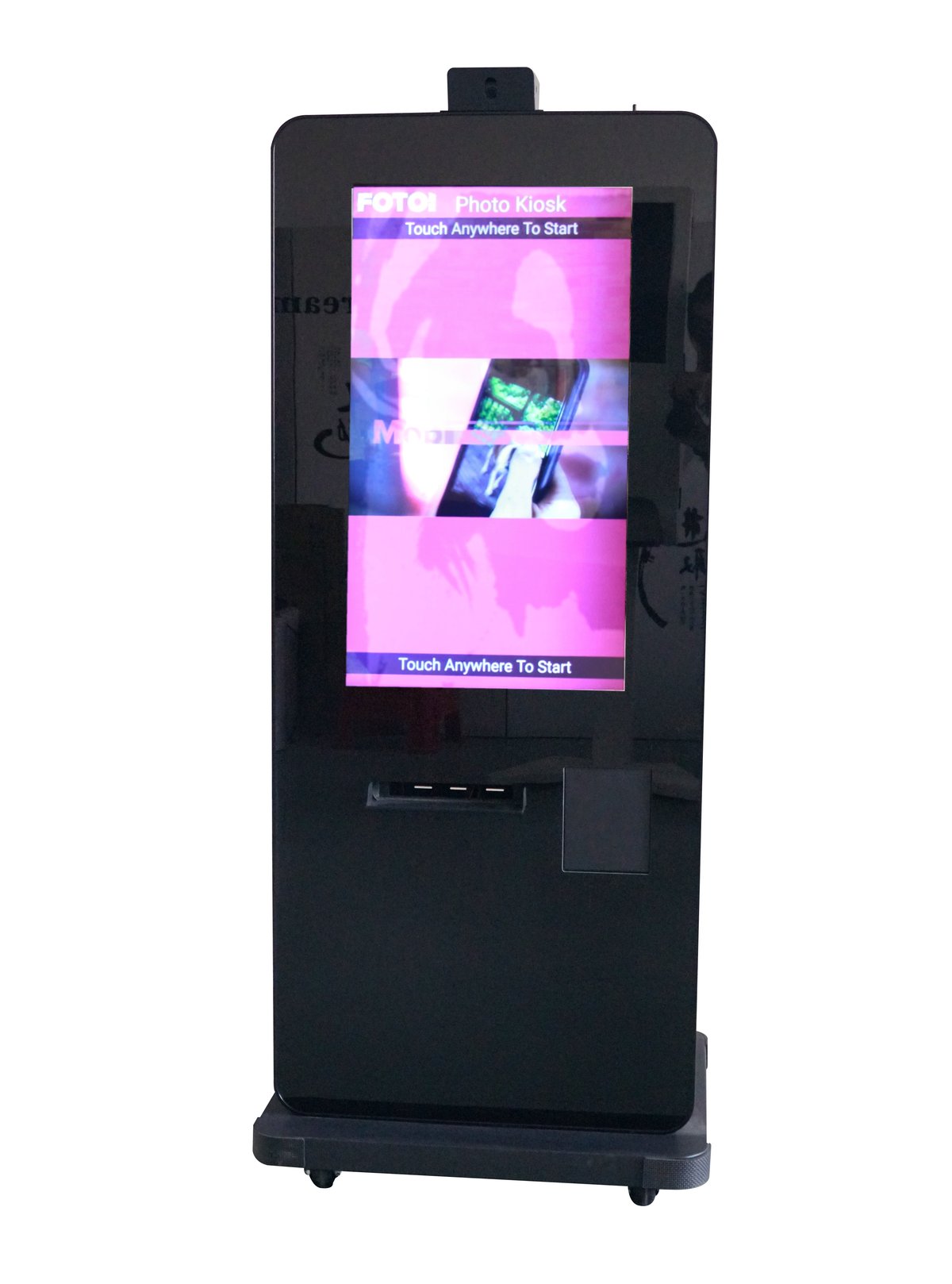
For indoor events like conferences or corporate gatherings, the kiosks’ sleek design – offered in black or white – fits seamlessly into spaces like bars, banquet halls, or hotel lobbies. The 49″ LED touchscreen, equipped with 20-point touch functionality, ensures high visibility and easy interaction. Thanks to locking wheels, the kiosks can be repositioned effortlessly. They perform best in well-lit environments, which eliminates the need for bulky backdrops, saving valuable space in tighter venues.
Outdoor setups, however, require additional considerations. Weather-resistant enclosures, battery backups, and a larger 20×20 foot area ensure smooth operation, even for high-traffic events. These kiosks can handle hundreds of guests per hour, with mobile app-managed queues keeping everything organized. Durable features like tempered glass (supporting up to 75 pounds of pressure) and locking cabinets protect the equipment, even in unattended settings.
With the logistics covered, let’s dive into the costs and scalability of these kiosks.
Pricing and Scalability
Once the venue requirements are met, the next factor to consider is the budget. Foto ATM offers two hardware options: the Vero Kiosk (32″) starts at $4,999, while the Vista Kiosk (49″) is priced at $7,999. Both models include a Primera IP60 printer, built-in camera, and secure locking cabinet. For larger events or businesses, volume discounts of up to 30% are available for orders of 75–100 units, making bulk purchases more economical.
On the software side, subscriptions range from $49/month for the Standard plan to $119/month for the Professional plan, which includes AI Green Screen credits, hashtag walls, and white-labeling options. The Enterprise plan, priced at $299/month, offers two licenses and on-demand support. Choosing annual billing can reduce these costs by 15%. For single events, planners can use the “Free Play” mode (setting the price to $0) or enable integrated payment processing through EMV readers and bill acceptors, allowing guests to pay for prints or digital copies.
“As a vendor, it’s important to have real-time updates on how my products are performing, and with Foto ATM’s FotoBooth app I’m able to view analytics and update my kiosks remotely from my phone.” – Jim Kershbaumer, Owner, Cash Cow Vending
The cloud-based management system makes scaling these kiosks effortless, whether for a small wedding or a multi-location festival. The dashboard tracks key performance metrics, including earnings per kiosk, app usage, and the number of digital copies shared. Email alerts notify operators when printer media drops below 500–700 prints, depending on the model. This remote monitoring feature minimizes the need for on-site supervision, allowing teams to deploy kiosks across large venues without requiring additional staff. With flexible pricing and remote capabilities, these AI-powered kiosks enhance guest experiences while keeping operations efficient.
Future Trends in AI Photo Kiosks
AI Storytelling and Mixed Reality
Photo kiosks are evolving far beyond simple snapshots – they now offer interactive, narrative-driven experiences. With AI capable of detecting emotions like excitement, surprise, or laughter, the system can adapt in real-time by suggesting poses or tweaking animations to fit the mood. This transforms photo-taking into an active storytelling process, where guests can craft their own narratives using augmented reality (AR) elements.
The integration of mixed reality (MR) takes this a step further by blending virtual and augmented environments for multi-dimensional experiences. Instead of relying on physical props, guests interact with digital elements like animated characters, virtual accessories that respond to gestures, and dynamic backgrounds that adapt to facial features or clothing. These AI-driven enhancements create unique, personalized moments for every user.
The experiential marketing sector is booming, projected to hit $128.35 billion by 2025. Notably, 74% of Fortune 1000 marketers plan to boost their live event budgets as they approach 2026. One industry leader highlights this shift:
It’s not just about better photos anymore. It’s about creating whole moments – personalized, dynamic, branded, and unforgettable.
Future kiosks aim to deliver even more immersive experiences by combining visuals with soundscapes and haptic feedback, such as vibrations or temperature changes. These sensory elements not only enhance guest interactions but also provide a wealth of data to refine event strategies. This blend of storytelling and data-driven insights is setting a new standard for photo kiosks.
Data Privacy and Analytics
While these advanced kiosks captivate audiences, they also generate a treasure trove of interaction data. Modern systems track everything from usage patterns and peak engagement times to content sharing metrics – critical insights for sponsor reporting in 2026. Every interaction, from popular photo templates to social media shares, becomes a valuable data point.
However, as data collection grows, so does the need for ethical practices. Planners must prioritize transparency by securing explicit consent, especially when using advanced features like deepfake-style transformations or AI avatars. Consent-based data collection ensures trust while still gathering actionable insights.
Advanced analytics can reveal which kiosk features resonate most with guests, the best booth placements, and the types of content that drive social sharing. This transforms photo kiosks from simple entertainment tools into strategic assets that demonstrate measurable ROI for sponsors and stakeholders. By leveraging these insights, planners can fine-tune their events to maximize both guest satisfaction and sponsor value.
Conclusion
The rise of AI-powered photo kiosks is reshaping how events connect with attendees. These kiosks have grown from basic tools into key assets, offering personalized experiences that deepen relationships, streamline operations, and reduce staffing demands. With features like instant photo adjustments, easy social media sharing, and real-time analytics, every snapshot becomes an opportunity to expand your brand’s reach naturally.
Touchless functionality and built-in analytics not only simplify event management but also provide insights that help planners fine-tune their strategies. As mentioned earlier, custom overlays and instant sharing options turn attendees into enthusiastic brand advocates, spreading your event’s message across their social networks.
When guests engage with interactive photo experiences, they leave with more than just a picture – they take away a positive impression of your brand. And because these AI-enhanced photos are so shareable, your event keeps gaining exposure long after the day is over, leaving a lasting impact.
For planners looking to bring AI into their events, Foto ATM offers tools like cloud-based management, AI green screen technology, payment processing, social media integration, and real-time analytics. These features adapt seamlessly to events of all sizes, from small gatherings to major corporate functions.
This shift to AI-driven photo experiences isn’t just about adopting new technology – it’s about creating memorable, shareable moments. As experiential marketing evolves, integrating AI photo kiosks ensures your events stand out in attendee engagement and brand storytelling.
FAQs
Do AI photo kiosks work without Wi-Fi?
AI photo kiosks can handle basic tasks like taking and printing photos even without Wi-Fi. However, if you want to use features like instant sharing, cloud storage, or social media uploads, an internet connection is typically required. To make the most of these advanced options, having Wi-Fi access is recommended.
How do I protect guest privacy with AI photos?
To ensure guest privacy when incorporating AI-generated photos at events, it’s important to prioritize data security and transparency. Start by adhering to established privacy standards, such as GDPR, to handle data responsibly. Use secure cloud storage solutions and encryption to protect attendee information from unauthorized access.
It’s equally crucial to keep guests informed. Clearly explain what data is being collected, how it will be used, and obtain their consent when required. Many modern photo kiosks offer useful tools like data anonymization and customizable privacy settings, which can further safeguard guest information and build trust.
What setup mistakes cause poor AI green screens?
Poor AI green screen performance usually stems from two main issues: uneven lighting on the green screen and improper subject placement. When the lighting is inconsistent, it can create pixelation, making it tough for the AI to cleanly distinguish the subject from the background. Similarly, if the subject isn’t positioned correctly between the camera and the backdrop, the separation becomes less precise. To improve results, focus on achieving consistent lighting across the green screen and ensure the subject is properly aligned.
Ready to add passive revenue to your venue? Take the 60-second kiosk quiz to find your perfect match, or compare all models side by side.