Looking to decide between facial recognition photo booths and standard photo booths? Here’s the quick breakdown:
Standard Photo Booths:
-
Simple setup with fixed cameras and manual lighting.
-
Prints photos on-site.
-
Lower upfront cost, but requires staff for operation and maintenance.
-
Limited customization options (basic text overlays or physical props).
Facial Recognition Photo Booths:
-
AI-powered for automatic lighting, filters, and digital backgrounds.
-
Offers instant digital sharing via email or social media.
-
Higher initial investment and subscription-based plans.
-
Fully automated, with remote management and real-time analytics.
Which is better?
-
Choose standard booths for events like weddings or small gatherings where simplicity and printed keepsakes matter.
-
Opt for facial recognition booths if you want automation, social media engagement, and advanced digital features in busy venues.
Quick Comparison
| Feature | Standard Booths | Facial Recognition Booths |
| Setup | Fixed camera, manual lights | AI-powered, automated setup |
| Photo Delivery | Prints only | Prints + instant digital sharing |
| Customization | Basic (text, props) | Advanced (filters, backgrounds) |
| Costs | Lower upfront, manual costs | Higher upfront, subscription fees |
| Management | Staff needed | Fully automated, remote control |
| Best For | Small events, nostalgia | High-traffic venues, tech-savvy users |
The right choice depends on your goals, budget, and audience preferences.
AI Face Swap Photo Booth |Your portrait anyway you like with our intelligent AI booth for events!
Technology Differences Between Booth Types
The technological contrast between traditional photo booths and those powered by facial recognition impacts how they’re set up, how they perform, and how they’re managed. Knowing these distinctions can help businesses choose the right option for their specific needs.
Technical Setup of Standard Photo Booths
Traditional photo booths rely on simple yet reliable technology that has steadily improved over the years. These booths typically feature a static camera setup paired with fixed lighting to ensure consistent image quality. They also include straightforward software that guides users through the photo-taking process and allows for onsite photo printing. Since everything – photo processing and printing – happens locally, these booths don’t require a constant internet connection, making them self-sufficient and easy to operate.
AI and Facial Recognition Features
Facial recognition photo booths, on the other hand, use cutting-edge computer vision and machine learning to detect and analyze faces in real time. This enables the system to automatically adjust camera settings for optimal image quality and proper framing. These booths also offer extra features like digital background replacement and live filters, which make the photo experience more engaging. However, these advanced capabilities come with higher hardware demands and require a stable internet connection to function effectively.
Hardware and Software Requirements
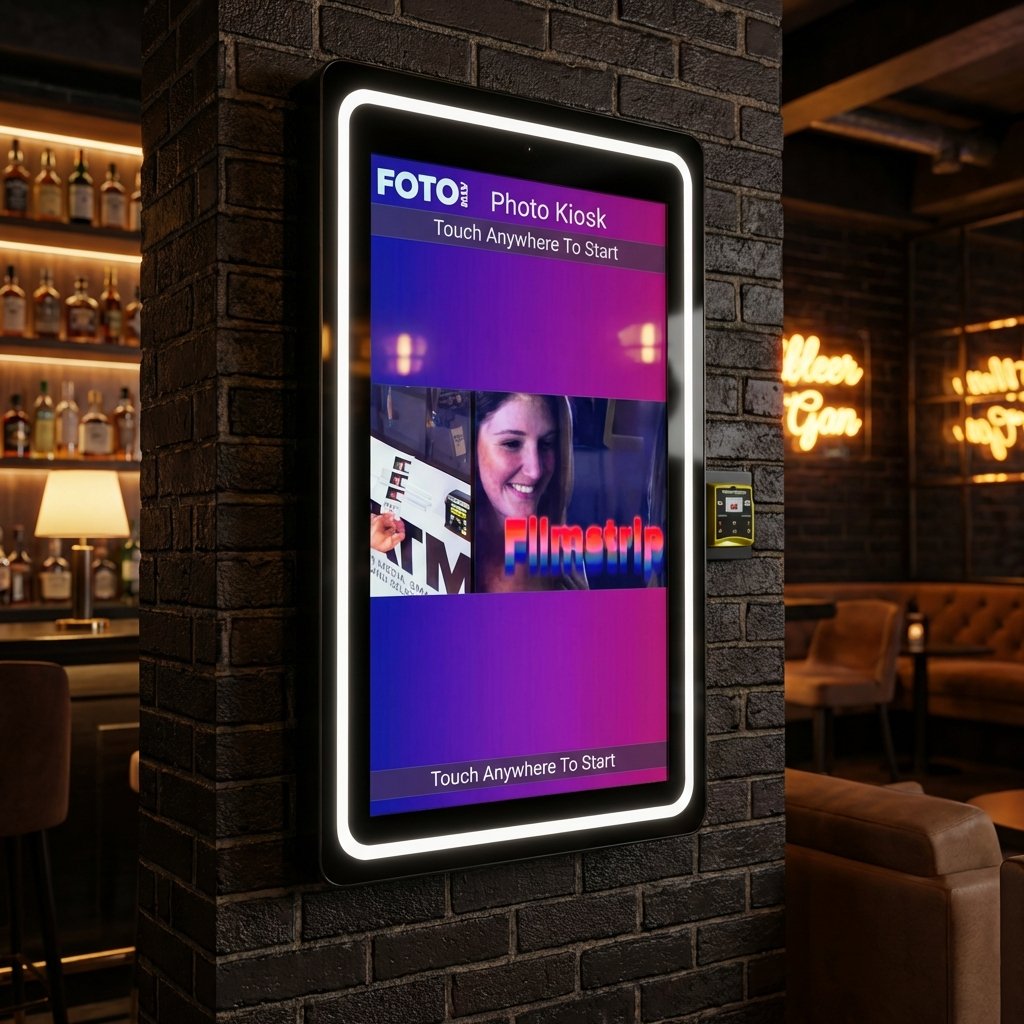
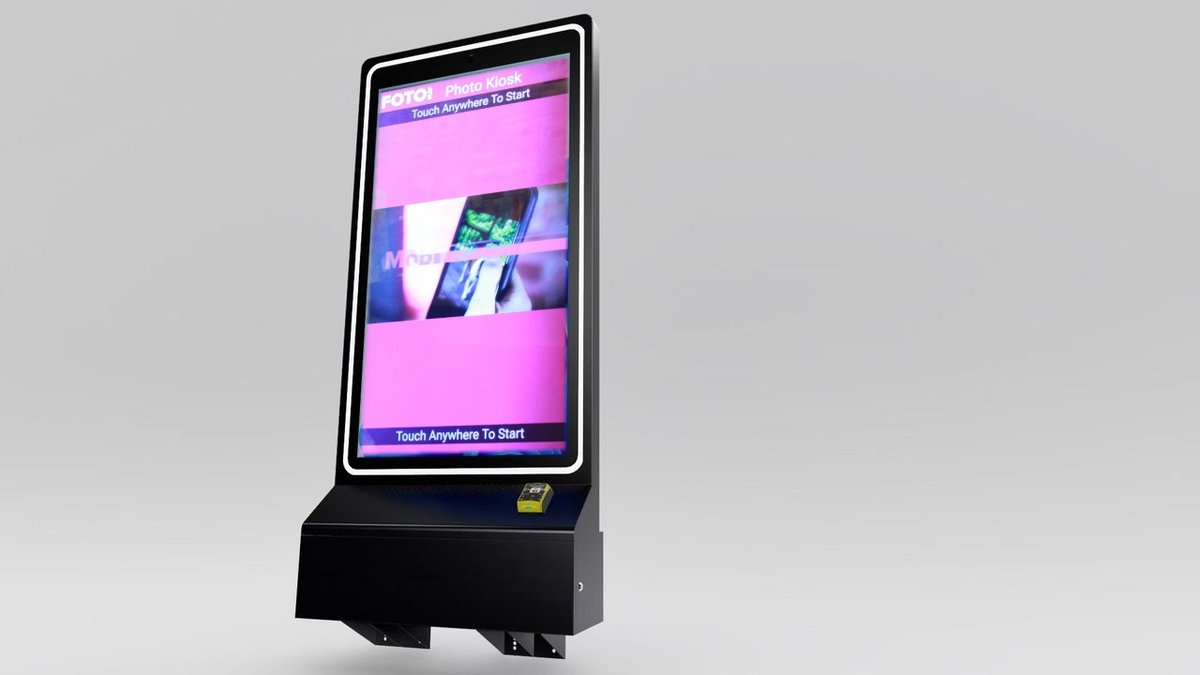
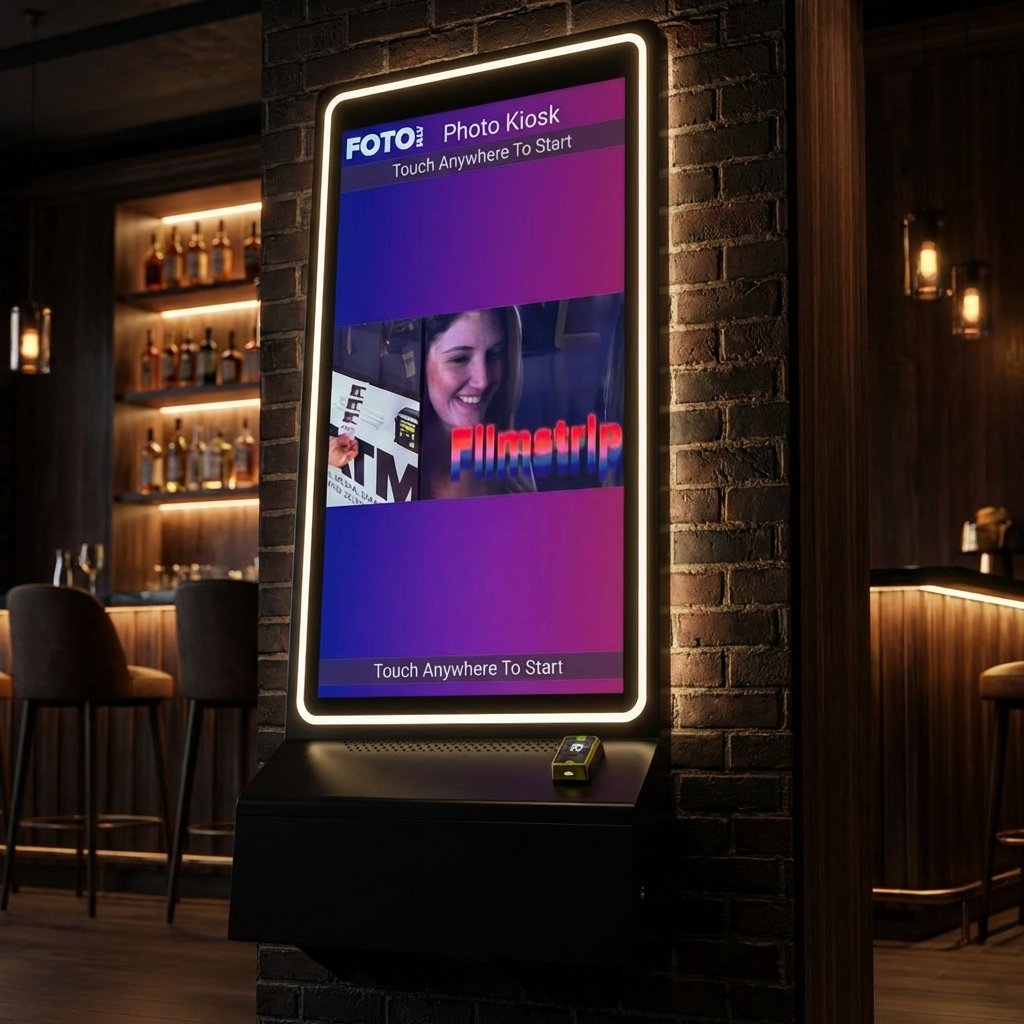
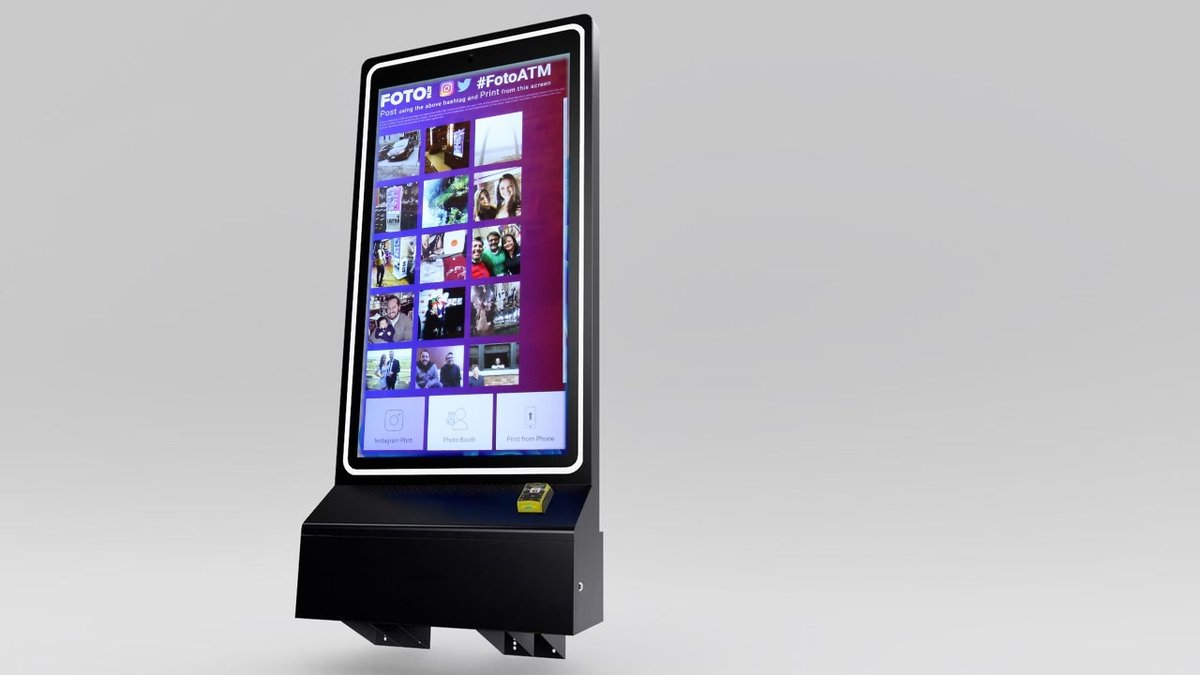
Facial recognition systems need more powerful hardware and consistent network access to handle real-time processing and cloud-based functionalities. For example, cloud platforms like Foto ATM provide features such as remote management, live analytics, and troubleshooting. Their Vista Kiosk model combines a touchscreen interface, an advanced camera, and secure EMV payment processing for a seamless user experience.
The software models also differ significantly. Traditional photo booth software is often a one-time purchase with optional update fees. In contrast, AI-powered systems typically operate on subscription-based plans. For instance, Foto ATM offers monthly subscriptions ranging from $49 to $299, with extra charges for premium features.
User Experience Comparison
The way guests interact with photo booths can differ quite a bit depending on whether they’re using a traditional setup or one powered by facial recognition. These differences influence everything from how easy it is to take photos to how engaged users feel throughout the process.
Guest Journey in Standard Booths
Traditional photo booths follow a manual, straightforward process that puts the user in control. Guests step up to the booth, pick their photo options from a simple menu, and position themselves in front of the camera. Typically, there’s a countdown timer or an audio cue to give them a moment to prepare before the photo is taken.
Since users manually position themselves, the outcome of the photos depends on their adjustments. After the photos are captured, guests can review them on a screen and decide whether to print, retake, or share them digitally. Payment and printing are handled right at the booth, and the entire experience varies based on the choices the guest makes. This hands-on approach is a stark contrast to the automated flow of facial recognition systems.
Interaction in Facial Recognition Booths
Facial recognition booths offer a sleek, automated experience. These systems use AI to detect faces and automatically adjust the framing as guests approach the camera.
Guided by on-screen prompts, users can quickly capture photos and share them digitally via text, email, or social media. For example, Foto ATM’s Vista Kiosk, equipped with a 49-inch touchscreen, simplifies navigation and enhances interaction with its real-time AI features. Guests can even preview their photos with different backgrounds using AI-powered green screen technology, adding an interactive element to the experience.
Accessibility and Usability
The differences in how these booths operate directly affect their usability and accessibility for a wide range of users. Traditional booths are ideal for those who prefer simple, predictable interactions. Their manual controls allow users to take their time and adjust their photo composition without needing to navigate digital features.
On the other hand, facial recognition booths shine when it comes to speed and convenience. Automated features make them a great option for users who might struggle with manual adjustments, particularly in fast-paced environments. However, they do require a basic familiarity with digital tools, especially for features like email sharing or social media integration.
While traditional booths focus on local printing, facial recognition systems prioritize instant digital delivery. For businesses, facial recognition booths also provide real-time insights and customer data. Platforms like Foto ATM’s can collect contact information and offer analytics for marketing purposes – capabilities that traditional booths generally lack unless users choose to share their details.
Business Value and Applications
Choosing between traditional and facial recognition photo booths can make a big difference in a business’s revenue, customer interaction, and overall efficiency. Each type offers distinct advantages that cater to different needs. Let’s break down how these systems create unique opportunities for businesses.
Engagement and Entertainment Value
Traditional photo booths bring a sense of nostalgia and simplicity. Guests enjoy the hands-on experience of using physical controls and receiving printed photos on the spot. This tactile interaction is especially popular at weddings, birthday parties, and casual gatherings, where the focus is on creating lasting keepsakes. Part of the fun is waiting for the prints to develop and then sharing them immediately with friends and family – it’s a social and memorable experience.
Facial recognition booths, on the other hand, deliver a high-tech, interactive experience that captivates guests. Features like instant digital enhancements, special effects, and AI-powered backgrounds make the experience more dynamic and engaging. Guests often take more photos and are eager to share them online, extending their interaction with the booth. This extended engagement can directly increase revenue in venues where booths charge per session or photo.
Another big advantage of facial recognition booths is their digital sharing capabilities, which take engagement beyond the event itself. With instant uploads to social media platforms, these photos become free, organic marketing for the business hosting the booth. The viral potential of these images can significantly boost brand exposure.
Branding and Customization Options
Both booth types offer branding opportunities, but the level of customization varies greatly. Traditional photo booths allow for basic branding through photo strip templates and booth graphics. While these options can enhance visibility, they lack the flexibility modern businesses often require. Making changes to branding elements typically involves physical updates, which can be both costly and time-intensive.
Facial recognition booths, however, shine with their digital branding versatility. Using cloud-based software, businesses can easily update digital backgrounds, advertisements, and promotional content. Features like an advertising carousel allow venues to display rotating promotional messages between photo sessions, creating additional revenue streams. Updates can be made remotely, saving time and money compared to traditional booths.
One standout feature is the AI green screen technology found in systems like Foto ATM’s Vista Kiosk. This allows businesses to create branded virtual environments, such as a retail store or an exotic vacation destination, offering limitless branding possibilities. These customizations not only enhance brand visibility but also leave a lasting impression on customers.
Business Benefits
Traditional photo booths require hands-on management, which can drive up labor costs. Staff are needed to refill photo paper, handle payments, troubleshoot issues, and assist guests. This reliance on manual administration limits where these booths can be effectively deployed, as they often require constant supervision.
In contrast, facial recognition booths like Foto ATM’s systems are designed to operate as fully automated solutions. Their cloud-based management platform allows business owners to monitor performance, process payments, and address technical issues remotely. This reduces staffing needs and makes these booths ideal for unsupervised locations like retail stores, bars, or arcades.
Another advantage is the streamlined payment processing offered by facial recognition systems. Foto ATM’s kiosks accept both card payments and cash through their convertible EMV and bill acceptor systems. This flexibility not only maximizes revenue but also eliminates the need for staff to handle transactions.
Facial recognition booths also offer scalability, making them a smart long-term investment. Foto ATM’s Enterprise plan supports multiple software licenses and social media integrations, enabling businesses to manage several locations from a single dashboard. Volume discounts make scaling more affordable, with the Vista Kiosk priced at $7,999.00 for individual units and dropping to $5,599.30 for bulk orders of 75-100 units.
Finally, these booths provide valuable guest data that can be used for ongoing marketing efforts. When guests share their photos via email or social media, businesses can collect their contact information for future campaigns. Features like hashtag printing encourage user-generated content, helping businesses build their customer database while boosting online visibility.
sbb-itb-3201140
Feature Comparison Table: Standard vs Facial Recognition Photo Booths
Key Features of Both Booth Types
Choosing between traditional and facial recognition photo booths requires a clear understanding of what each system brings to the table. These differences can affect your costs, how guests interact with the booth, and the overall experience you provide.
| Feature | Traditional Photo Booths | Facial Recognition Photo Booths |
| Image Quality | Standard digital camera performance | High-definition imaging |
| Real-Time Enhancements | Basic filters and effects | AI-powered green screen technology |
| Social Media Integration | Limited or manual sharing | Automatic uploads, hashtag printing, and social feed integration |
| Payment Processing | Cash only or manual card processing | Automated EMV card readers, bill acceptors, and contactless payments |
| Remote Management | Requires on-site maintenance | Cloud-based monitoring and updates |
| Customization Options | Physical template changes | Digital branding with an advertising carousel and real-time updates |
| Operational Requirements | Staff supervision needed | Fully unattended operation |
| Photo Delivery | Instant prints only | Multiple formats: prints, digital sharing, and smartphone downloads |
| Data Collection | Limited tracking | Integrated real-time analytics |
| Hardware Durability | Basic construction | Public-safe locking cabinets and tamper-resistant design |
| Maintenance Costs | Regular on-site service calls | Remote diagnostics and troubleshooting |
This table highlights how each booth type operates, from basic features to advanced capabilities, helping businesses weigh their options effectively.
When looking deeper into how these systems impact U.S. businesses, some key contrasts emerge. Traditional photo booths often have a lower upfront cost but require ongoing expenses, like staffing, to keep them running. On the other hand, facial recognition booths typically use a subscription-based model, which can include features like centralized management and real-time analytics. These systems also offer more ways to generate revenue, such as dynamic pricing, add-ons, and digital advertising opportunities.
For businesses looking to scale, facial recognition booths provide an edge. Platforms like Foto ATM’s Enterprise plan allow businesses to manage multiple locations remotely, offering a seamless way to track performance and make updates in real-time. These differences make it easier to decide which booth type aligns with your goals, whether you’re focused on cutting costs, enhancing customer engagement, or expanding operations.
Choosing the Right Photo Booth for Your Needs
When deciding on the perfect photo booth, it’s essential to weigh your business goals, budget, and operational requirements. Let’s break down when each type of booth makes the most sense.
When to Choose Facial Recognition Booths
Facial recognition photo booths are a great fit for businesses aiming to streamline operations and boost revenue. These booths shine in high-traffic areas or for multi-location businesses, thanks to their automation and remote management capabilities. For instance, Foto ATM’s Enterprise plan, priced at $299 per month, lets you oversee multiple kiosks from a single dashboard – an efficient solution for businesses with several sites.
Locations like malls, airports, and busy restaurants benefit significantly from these booths. Their unattended operation and automated payment systems allow them to generate revenue 24/7. Plus, their advanced digital features are perfect for businesses looking to enhance brand visibility and encourage social media engagement. However, if simplicity and portability are priorities, traditional booths might be a better choice.
When Standard Photo Booths Work Better
Traditional photo booths remain a solid choice, especially for businesses that are budget-conscious or have specific operational needs. For single-location setups with lower foot traffic, the lower upfront costs of traditional booths make them more practical.
These booths are also ideal for events like weddings, parties, or corporate gatherings. Their portability and easy setup make them a favorite for one-time or mobile use. Additionally, their simple, button-based operation often appeals to users who prefer a no-fuss experience. For businesses with on-site staff, traditional booths may also suffice, as they don’t require the advanced automation or remote management features of their high-tech counterparts.
Final Considerations for US Businesses
For businesses in the United States, finding the right balance between efficiency and simplicity is key. While facial recognition booths often come with subscription-based pricing – such as Foto ATM’s plans ranging from $49 to $299 per month – they offer scalable solutions, including dynamic pricing and event-based advertising, which can maximize profits in high-traffic locations.
Location plays a significant role. Downtown areas or premium shopping centers, where rent is higher, can benefit from the enhanced earning potential of facial recognition booths. Features like contactless payments and social media integration cater to American consumers’ preference for convenience and tech-forward experiences.
Technical expertise is another factor to consider. Facial recognition booths often require a stable internet connection and some familiarity with technology. However, cloud-based platforms like Foto ATM provide remote support, making troubleshooting easier. On the other hand, traditional booths are simpler to operate and maintain but may need more hands-on attention for repairs and upkeep.
Ultimately, the decision comes down to your business’s priorities. Are you looking to scale and embrace automation, or do you value simplicity and lower initial costs? By carefully evaluating your needs, location, and long-term goals, you can choose the photo booth that best supports your business strategy.
FAQs
What makes facial recognition photo booths better than traditional ones for busy events?
Facial recognition photo booths bring a lot to the table for high-traffic events, especially when it comes to speeding up check-ins and keeping attendee flow smooth. By identifying guests quickly, these booths help eliminate long lines, making the whole process much more efficient.
They also add a fun, personalized touch with features like custom filters, effects, or digital overlays tailored to each user. These extras not only grab attention but also create memorable moments that stick with attendees long after the event. For event organizers, the combination of crowd management and enhanced guest satisfaction makes these booths a smart choice for large-scale gatherings.
How do facial recognition photo booths ensure data privacy and security, especially when collecting customer information for marketing?
How Facial Recognition Photo Booths Handle Privacy and Security
Facial recognition photo booths take privacy and security seriously, especially when it comes to handling biometric data. Since this type of information is both unique and sensitive, these systems often rely on encryption and secure storage methods to keep it safe from unauthorized access.
To build trust, many of these photo booths are designed to align with privacy laws and regulations. They emphasize transparency by clearly outlining how customer data is collected, stored, and used. On top of that, users are often given control over their information, with options to opt out or request that their data be deleted.
By combining cutting-edge technology with strong privacy protections, facial recognition photo booths strive to offer a secure and trustworthy experience for their users.
In what types of events or venues might traditional photo booths still be a better choice than facial recognition photo booths?
Traditional photo booths continue to hold their charm, especially for events and venues where their distinct features enhance the overall experience. Take weddings, for example – these enclosed booths offer a cozy, private spot for guests to snap cherished memories. They’re often conveniently located near the dance floor or bar, making it easy for everyone to join in the fun. Similarly, at corporate events, baby showers, or exhibitions, these booths provide a structured way to manage crowds while offering a dedicated space for capturing special moments.
What makes these booths stand out is their ability to cater to settings that value privacy, simplicity, or a touch of classic elegance. Their enclosed design evokes a nostalgic, intimate vibe that many guests find appealing compared to open or tech-heavy alternatives. This timeless appeal makes them a go-to choice for formal or socially centered gatherings.
Ready to add passive revenue to your venue? Take the 60-second kiosk quiz to find your perfect match, or compare all models side by side.