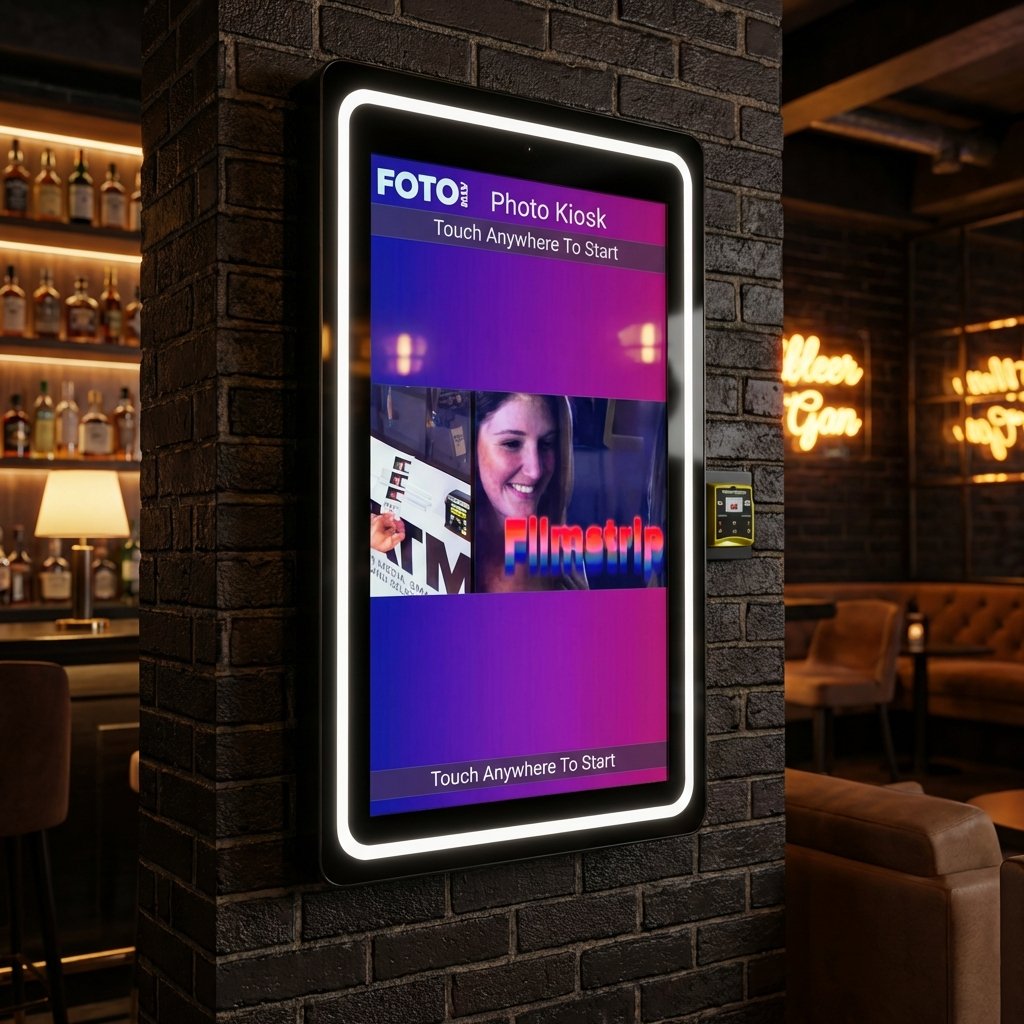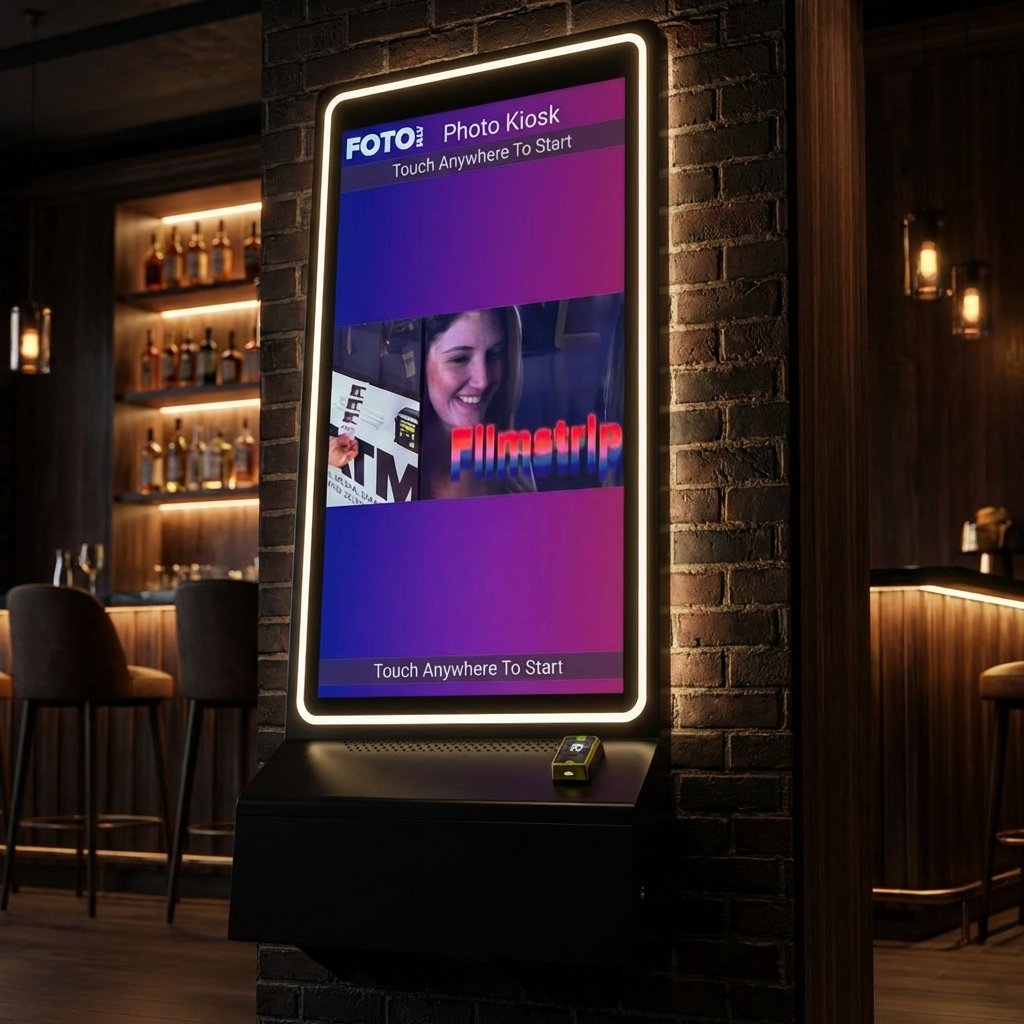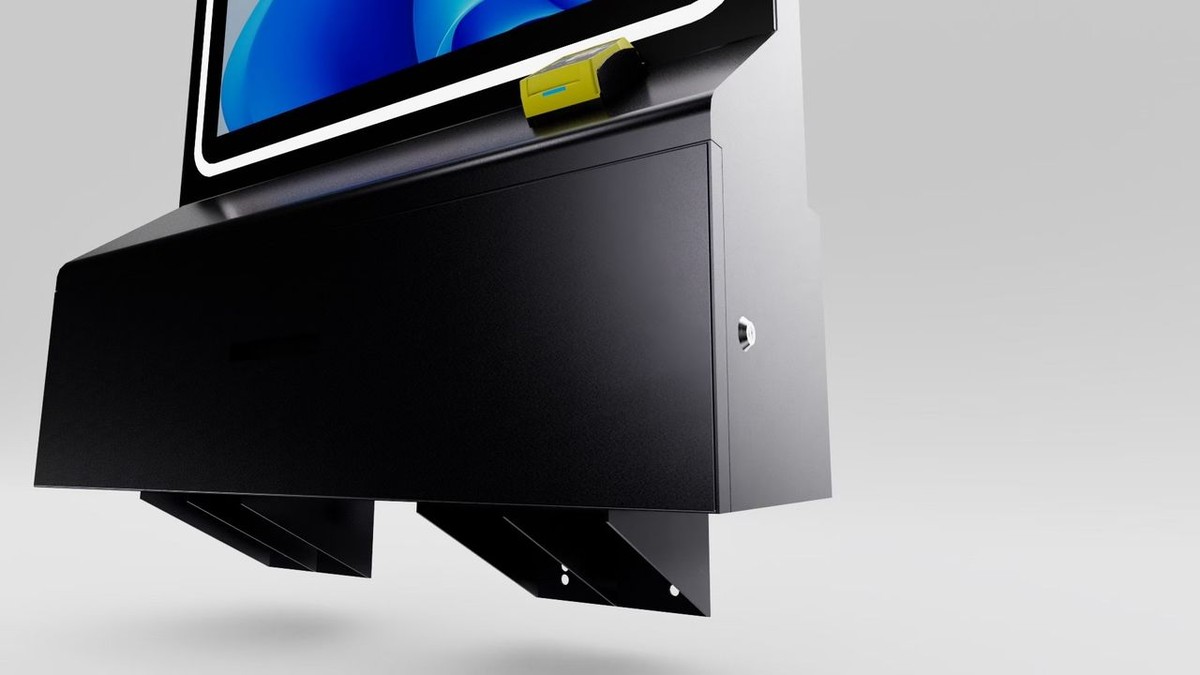
When choosing between metal and plastic for kiosk enclosures, it boils down to the environment, durability, and cost. Metal enclosures are tough, secure, and great for outdoor or high-traffic areas, but they’re heavier and more expensive. Plastic enclosures are lightweight, affordable, and better for indoor use, but they’re less durable and struggle in harsh conditions.
Key Takeaways:
-
Metal: Strong, tamper-resistant, handles heat well, but blocks wireless signals and requires higher upfront costs.
-
Plastic: Lightweight, cheaper, allows better signal performance, but is prone to damage and heat retention.
Quick Comparison:
| Feature | Metal (Steel/Aluminum) | Plastic (Polycarbonate/ABS) |
| Durability | Strong, resists tampering | Flexible, resists impacts |
| Weight | Heavy, costly to ship | Lightweight, easy to install |
| Heat Management | Dissipates heat effectively | Traps heat, needs cooling |
| Signal Performance | Blocks Wi-Fi/cellular signals | Allows wireless signals |
| Cost | Higher upfront cost | Lower initial cost |
| Outdoor Use | Handles UV, weather well | Degrades in sunlight |
If your kiosk operates outdoors or in high-risk areas, metal is the better choice for long-term durability and security. For indoor or temporary setups, plastic offers a cost-effective and lightweight solution.
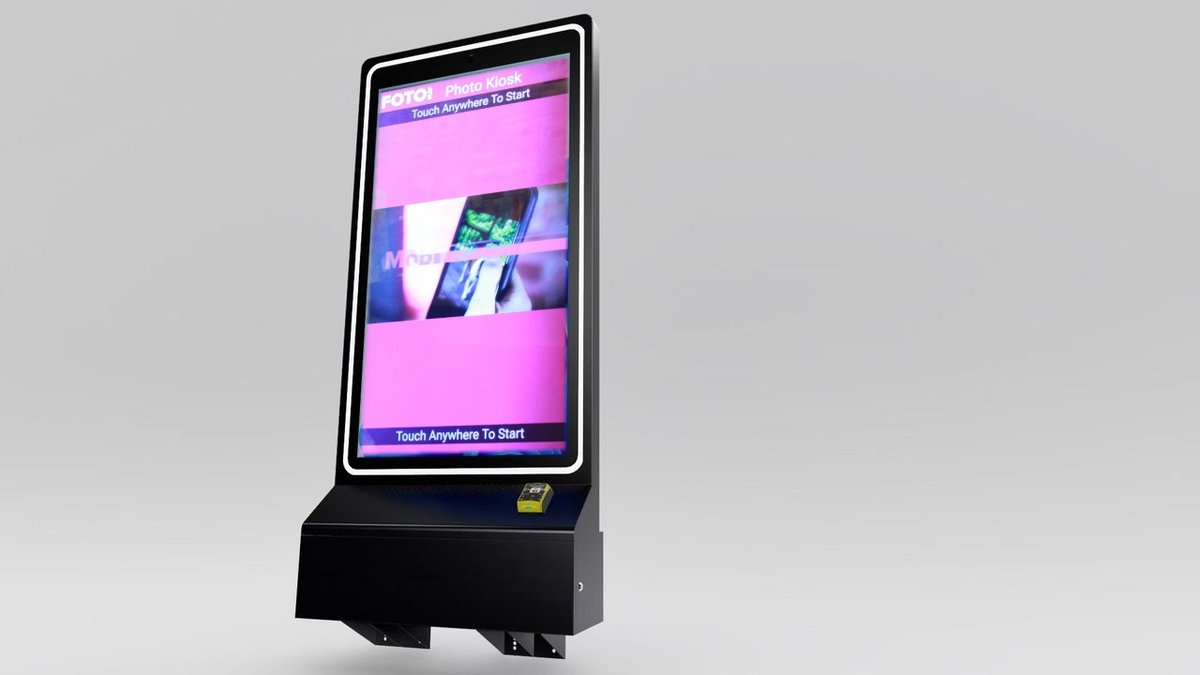
What to Consider When Choosing Kiosk Enclosures
When selecting the right enclosure material for your unattended photo kiosk, it’s important to weigh factors like performance, cost, and durability. Whether your kiosk is destined for a bustling bar, an outdoor event, or a retail environment, the material you choose must handle physical stress, environmental conditions, and potential security threats effectively.
Durability and Impact Resistance
The durability of a kiosk enclosure is a key consideration, especially when it comes to handling physical impacts. Materials like metal and plastic behave very differently under stress. For instance, aluminum and steel can hold their shape under tension but will permanently dent when struck. Once dented, the protective anti-rust coatings on metal can fail, leading to corrosion – even in stainless steel. As Carl Marchese from Fibox USA explains:
“Polycarbonate will flex and return to its original shape, while metal can dent on impact. Once dented, any preventive rust coatings will fail and the underlying enclosure will begin to rust”.
Polycarbonate plastic, on the other hand, offers exceptional impact resistance – able to withstand over 900 psi and boasting a strength approximately 200 times greater than steel in this regard. Unlike metal, it flexes and returns to its original shape instead of denting. However, plastic has its own vulnerabilities. It’s more susceptible to intentional damage, such as being scratched or carved with sharp objects like keys or knives.
Another consideration is weight. Plastic enclosures are significantly lighter than metal, weighing up to six times less.
Environmental Protection and Heat Management
The ability of a material to handle environmental conditions and manage heat is another critical factor. Metal enclosures excel at dissipating heat, serving as a heat sink to protect internal components from overheating. Its thermal conductivity supports passive airflow, which is especially important for fanless systems.
Plastic, however, acts as a thermal insulator, trapping heat inside the enclosure. This can be problematic for devices that generate heat. Lansing Enclosures highlights this limitation:
“Plastic is usually not used for heat-generating devices because it is a poor conductive material and tends to trap heat instead of transferring it”.
For outdoor use, metal is better equipped to handle extreme temperature changes and prolonged exposure to UV radiation without degrading. In contrast, plastic can become brittle, warp, or crack under prolonged sunlight or high heat. That said, plastic does have an advantage in high-humidity or coastal areas, as it is naturally rust-proof and less prone to corrosion.
Beyond environmental factors, the material’s resistance to tampering plays a significant role in the kiosk’s overall reliability.
Security and Tamper Resistance
When kiosks are left unattended, especially those containing payment systems or printers, security becomes a top priority. Metal enclosures offer robust protection against forced entry and tampering. They are difficult to break into and can shield internal components from surface-level damage.
Plastic, on the other hand, is more vulnerable to vandalism. James Gregorie from Swift-Protech LLC cautions:
“Plastic kiosks are generally a bad idea [for outdoor/unattended use]. The sun can bleach colors out of the plastic as well as dry it out which leads to cracking and breaking”.
Additionally, metal enclosures provide built-in shielding against electromagnetic and radio frequency interference (EMI/RFI), which helps protect sensitive electronics from external tampering or interference. This added layer of security makes metal a preferred choice for kiosks in high-risk or unattended locations.
sbb-itb-3201140
Metal Kiosk Enclosures: Pros and Cons
Metal enclosures, typically crafted from aluminum or steel, are a popular choice for kiosks designed to withstand tough environments. These enclosures deliver exceptional durability, security, and resistance to environmental factors. However, they come with certain drawbacks, such as higher costs, increased weight, and potential issues with signal connectivity.
Advantages of Metal Enclosures
When it comes to durability and environmental protection, metal enclosures stand out. Both aluminum and steel are highly resistant to warping, swelling, and brittleness caused by temperature fluctuations or UV exposure, making them a top choice for outdoor kiosks. As A & J Manufacturing highlights:
“Aluminum electronic enclosures are superior in durability and strength under extreme conditions. The material can resist rust, flame, and UV.”
Security is another major benefit. Metal enclosures provide a tough barrier against vandalism, making them ideal for kiosks in high-traffic or unsecured areas. Additionally, they offer built-in shielding against electromagnetic and radio frequency interference (EMI/RFI), which safeguards sensitive electronics. Aluminum enclosures, in particular, also act as effective heat sinks, helping to dissipate heat from high-performance components.
From an environmental perspective, metal enclosures have a high scrap value and are recyclable, adding a layer of sustainability to their benefits.
Disadvantages of Metal Enclosures
The biggest downside to metal enclosures is their cost. They are generally more expensive than plastic options, and their weight increases shipping, installation, and maintenance expenses. For outdoor-rated kiosks, the price can rise by as much as 75%, making the initial investment significantly higher.
Signal interference is another challenge. Metal can obstruct Wi-Fi, Bluetooth, and cellular signals, which often necessitates design adjustments like external antennas or non-metallic windows to maintain connectivity.
Maintenance is also more demanding. Steel enclosures can rust if their protective coatings are damaged, particularly in humid or coastal environments. Even aluminum models require routine upkeep. Outdoor metal kiosks, for instance, may need frequent air filter replacements to prevent overheating. Internal temperatures can climb to 130°F, requiring components designed for industrial-grade heat resistance. As James Gregorie advises:
“It is important to not only consider the heat from your components but also the heat that can build up inside due to the sun.”
Best Use Cases for Metal Enclosures
Despite the challenges, metal enclosures are indispensable in certain high-demand scenarios. They are the go-to choice for permanent outdoor installations, such as those at beach resorts, ski lodges, or outdoor event venues. Metal’s resistance to UV damage and harsh weather ensures long-term reliability. James Gregorie emphasizes this point:
“Plastic kiosks are generally a bad idea [for outdoors]. The sun can bleach colors out of the plastic as well as dry it out which leads to cracking and breaking. A better solution is stainless or anodized aluminum.”
Metal enclosures also shine in high-traffic or unsecured locations like busy bars, retail stores, arcades, or public events, where tamper resistance is essential. In industrial environments with significant electromagnetic interference, metal’s natural shielding protects sensitive electronics, while its heat dissipation capabilities manage equipment that generates substantial heat.
For businesses using kiosks like Foto ATM’s Vista or Vero models in demanding conditions, metal enclosures provide the durability and security necessary to safeguard the investment and ensure years of reliable operation.
Plastic Kiosk Enclosures: Pros and Cons
After discussing metal enclosures, it’s time to see how plastic stacks up, particularly in areas like weight, cost, and design flexibility.
Plastic enclosures bring a different set of strengths and weaknesses to the table. They shine in affordability, portability, and design adaptability, making them a popular choice for kiosks aimed at indoor use or temporary setups. However, they fall short in areas like durability, heat dissipation, and security, which limits their use in certain scenarios.
Advantages of Plastic Enclosures
One of the standout benefits of plastic enclosures is their lightweight nature, which makes them perfect for portable setups like photo kiosks or installations mounted on walls, poles, or ceilings. As Steve Sullivan, Training and Development Supervisor at Rittal, explains:
“Fiberglass or polycarbonate enclosures may be better suited for [pole-, wall-, and ceiling-mounted] installations as they are lighter than metallic enclosures.”
In addition to being light, plastic enclosures are generally cost-effective. Materials like Styrene are budget-friendly, and even higher-end options like polycarbonate are less expensive than stainless steel. For example, countertop plastic kiosks can range from $100 to $2,000, while indoor units typically fall between $300 and $8,000.
Plastic also offers unmatched design versatility. It allows for intricate shapes, custom colors, and finishes ranging from opaque to transparent, making it easy to align kiosks with a brand’s identity. Cheryl Lesniak from Frank Mayer and Associates notes:
“In cases where aesthetics call for curves, it is usually recommended that another material, such as plastic or wood, be used to execute that part of the design. This saves both time and money.”
This flexibility appeals to businesses like Foto ATM, which use plastic enclosures for their Vista or Vero kiosks to create visually striking designs for events or retail spaces.
Another perk is that plastics don’t rust or corrode, making them a good fit for humid environments. Maintenance is also straightforward – scratches on acrylic surfaces, for example, can often be buffed out to keep kiosks looking professional.
Disadvantages of Plastic Enclosures
Plastic enclosures, however, struggle in outdoor environments. Prolonged exposure to sunlight can bleach colors and dry out the material, leading to cracks and structural issues. James Gregorie, Director of Digital Marketing and Business Development at Swift-Protech LLC, points out:
“Plastic kiosks are generally a bad idea [for outdoors]. The sun can bleach colors out of the plastic as well as dry it out which leads to cracking and breaking.”
Vandalism is another concern. Plastic is easily damaged with common tools, making it unsuitable for unsecured or high-traffic public areas.
Heat management is a significant challenge as well. Unlike metal, plastic acts as an insulator, which can lead to overheating of internal components unless additional cooling systems, such as fans, are installed. This is particularly important for photo kiosks that use heat-generating printers.
Another drawback is the lack of electromagnetic shielding. Plastic doesn’t naturally block electromagnetic interference, so additional conductive coatings are needed for devices requiring such protection. Additionally, certain plastics, like polycarbonate, may expand or contract in extreme temperatures, potentially affecting the fit or seal of internal components.
Security also comes into play. The lighter weight of plastic enclosures, especially countertop models, makes them more prone to theft unless securely anchored.
Best Use Cases for Plastic Enclosures
Despite their limitations, plastic enclosures are well-suited for controlled environments and temporary setups. Indoor spaces such as malls, retail stores, and reception areas are ideal settings where aesthetics and branding take precedence over ruggedness.
Plastic also excels in portable and temporary events. Trade shows, pop-up activations, and similar events benefit from the lightweight nature of plastic, which simplifies transportation and setup. For example, event photographers often rely on portable photo kiosks made from lightweight materials to ensure they’re easy to carry.
Countertop and tabletop applications in places like restaurants or hospitality settings also work well with plastic. These setups are cost-effective and take up minimal space, making them practical for businesses using kiosks like Foto ATM in controlled indoor environments.
When choosing plastic enclosures, materials like polycarbonate or GRP are better options than ABS for resisting UV damage and color fading. For kiosks requiring frequent maintenance, it’s best to use machine screws with molded-in threaded bushes, as self-tapping screws can wear out the plastic over time.
Metal vs. Plastic: Direct Comparison
Comparison Table
Here’s a quick look at how metal and plastic kiosk enclosures stack up against each other:
| Attribute | Metal (Steel/Aluminum) | Plastic (Polycarbonate/ABS) |
| Durability | Strong and rigid; maintains shape under force but may dent | Flexible; bounces back to original shape after impact |
| Impact Resistance | Dents under heavy impact | Absorbs impacts; withstands over 900 psi, about 200 times stronger than steel |
| Security | Highly resistant to vandalism and tampering | Moderate resistance; more vulnerable to common tools |
| Thermal Management | Naturally dissipates heat effectively | Insulates and traps heat |
| Weight | Heavy; increases shipping and installation costs | Lightweight; up to six times lighter than metal |
| Cost (Upfront) | Higher initial cost | Lower material and manufacturing costs |
| Maintenance | Requires repainting if scratched to prevent rust | Low maintenance; naturally resists corrosion |
| UV Resistance | High; withstands sunlight without degrading | Variable; needs UV-rated materials to prevent cracking |
| EMI/RFI Shielding | Naturally blocks electromagnetic interference | Needs conductive coatings for shielding |
| Signal Transparency | Blocks Wi-Fi and cellular signals | Allows wireless signals to pass through |
| Fire Resistance | Non-combustible; withstands extreme heat | Can warp, melt, or ignite under high temperatures |
This table highlights the primary trade-offs between the two materials. Let’s dive deeper into what these differences mean in real-world applications.
Understanding the Comparison
When deciding between metal and plastic for kiosk enclosures, the choice often depends on the environment and specific requirements. For high-traffic or outdoor areas, metal is the go-to option. It handles extreme temperatures, offers better security, and performs well in fire safety tests – lasting 90 minutes compared to plastic’s 53 minutes in similar conditions. These qualities make metal ideal for environments where durability and safety are non-negotiable.
On the other hand, plastic excels in controlled indoor settings. Its lightweight nature – up to six times lighter than metal – means lower shipping costs and easier installation. For kiosks that rely on internal Wi-Fi or Bluetooth, plastic’s ability to allow wireless signals to pass through eliminates the need for external antennas, a common workaround for metal enclosures.
While plastic may be cheaper upfront, metal often proves to be a better long-term investment in demanding environments due to its durability and lower replacement frequency. As James Gregorie from Swift-Protech LLC explains:
“Metal is going to cost more, especially if you want creative bends and forming, but it will hold up significantly better.”
For businesses like Foto ATM, which deploy kiosks in diverse locations ranging from climate-controlled venues to bustling retail spaces, understanding these trade-offs is essential. Matching the enclosure material to the specific environment and use case can make all the difference in performance and cost-efficiency.
Conclusion: Choosing the Right Kiosk Enclosure
Selecting the right kiosk enclosure comes down to balancing the kiosk’s environment, security needs, and long-term budget. As we’ve explored, factors like durability, heat management, and security play a crucial role in determining whether metal or plastic is the better fit for your setup.
Metal enclosures are the go-to choice for outdoor and high-traffic, unattended locations. They hold up well against UV rays, vandalism, and tampering, thanks to secure locking mechanisms. While they come with a higher upfront cost, their durability makes them a solid long-term investment, particularly in challenging environments.
Take Foto ATM, for example. Their use of metal enclosures for Vista and Vero kiosks highlights the importance of robust construction in protecting sensitive components like Primera IP60 printers, built-in cameras, and payment systems. These kiosks are often deployed in bars, restaurants, event venues, and retail spaces – places where constant supervision isn’t guaranteed. Metal enclosures ensure that these critical components remain secure and functional.
On the other hand, plastic enclosures work best indoors. They’re lightweight – up to six times lighter than metal – and cost-effective upfront. However, plastic struggles outdoors, where exposure to sunlight causes degradation and frequent replacements. While the initial savings might be appealing, outdoor use of plastic enclosures often leads to higher costs over time.
When making your decision, focus on the demands of the deployment environment rather than just the initial price tag. Outdoor-rated kiosks can cost up to 75% more, but this investment pays off with lower maintenance needs and a longer service life. For unattended photo kiosks operating in a mix of locations – from climate-controlled venues to busy retail spaces – metal enclosures with powder coating and compression locks offer the durability and security needed to protect your hardware and ensure reliable performance.
FAQs
What should I consider when deciding between metal and plastic kiosk enclosures?
When deciding between metal and plastic kiosk enclosures, it’s important to weigh factors like durability, cost, and the installation environment.
Metal enclosures are known for their toughness, making them a solid choice for outdoor setups. They can handle extreme temperatures, resist UV exposure, and offer electromagnetic shielding. Plus, they’re less likely to warp over time. The trade-offs? They tend to be heavier and come with a higher price tag.
Plastic enclosures, by contrast, are lightweight and more budget-friendly. They don’t rust, which makes them a good fit for indoor spaces or areas with less wear and tear. Plus, they’re easier to customize with different designs and coatings.
The best choice really depends on where and how you plan to use the kiosk. Match the enclosure to the demands of the location and the specific requirements of your project.
What are the differences in heat management between metal and plastic kiosk enclosures?
Metal enclosures are great at conducting heat, which makes them effective for dissipating heat from internal components. But there’s a flip side – these enclosures can also absorb heat from their surroundings and transfer it inside. In hotter environments, this might mean you’ll need extra cooling measures to keep things running smoothly.
Plastic enclosures, by contrast, work more like thermal insulators. They shield internal components from sudden temperature changes outside, but they can also trap heat. This often means adding features like ventilation or cooling systems to prevent overheating and ensure everything operates as it should.
When deciding between the two, it’s all about your specific needs and environment. Think about factors like the operating temperature and where the enclosure will be used before making your choice.
What makes metal enclosures a better choice for outdoor kiosks?
Metal enclosures are a solid choice for outdoor kiosks, thanks to their durability and ability to handle tough weather conditions. Materials like stainless steel and aluminum naturally resist rust and corrosion, which makes them perfect for standing up to rain, humidity, and other challenging environments. Plus, a powder-coated finish can add an extra layer of protection against the elements.
Another big advantage is security. Metal enclosures are built tough, making them harder to tamper with or damage. While the initial cost might be higher compared to other materials, their long lifespan and low maintenance requirements often make them a smart, budget-friendly investment in the long run.
Ready to add passive revenue to your venue? Take the 60-second kiosk quiz to find your perfect match, or compare all models side by side.