When deciding between offline and online payment systems for photo kiosks, the choice directly impacts reliability, security, costs, and user experience. Here’s a quick breakdown:
-
Offline Payments: Work without internet by storing transaction data locally or using cash. Ideal for areas with poor connectivity but carry risks like merchant liability for declined transactions and data storage limits.
-
Online Payments: Require real-time internet connection for instant authorization. Offer better fraud protection and real-time monitoring but depend on stable connectivity and come with higher setup and processing costs.
Quick Comparison:
| Feature | Offline Payments | Online Payments |
| Reliability | Works during outages | Depends on internet |
| Transaction Speed | Instant for users, delayed for merchants | Real-time authorization |
| Security | Local encryption, risks like double spending | Real-time fraud checks |
| Cost | Lower setup costs, but liability risks | Higher setup and processing fees |
| Best Use Case | Remote areas, outdoor events | High-traffic venues with stable internet |
Choose offline systems for remote or underserved areas and online systems for high-traffic locations with stable internet. Both have pros and cons, so consider your venue, transaction volume, and customer preferences.
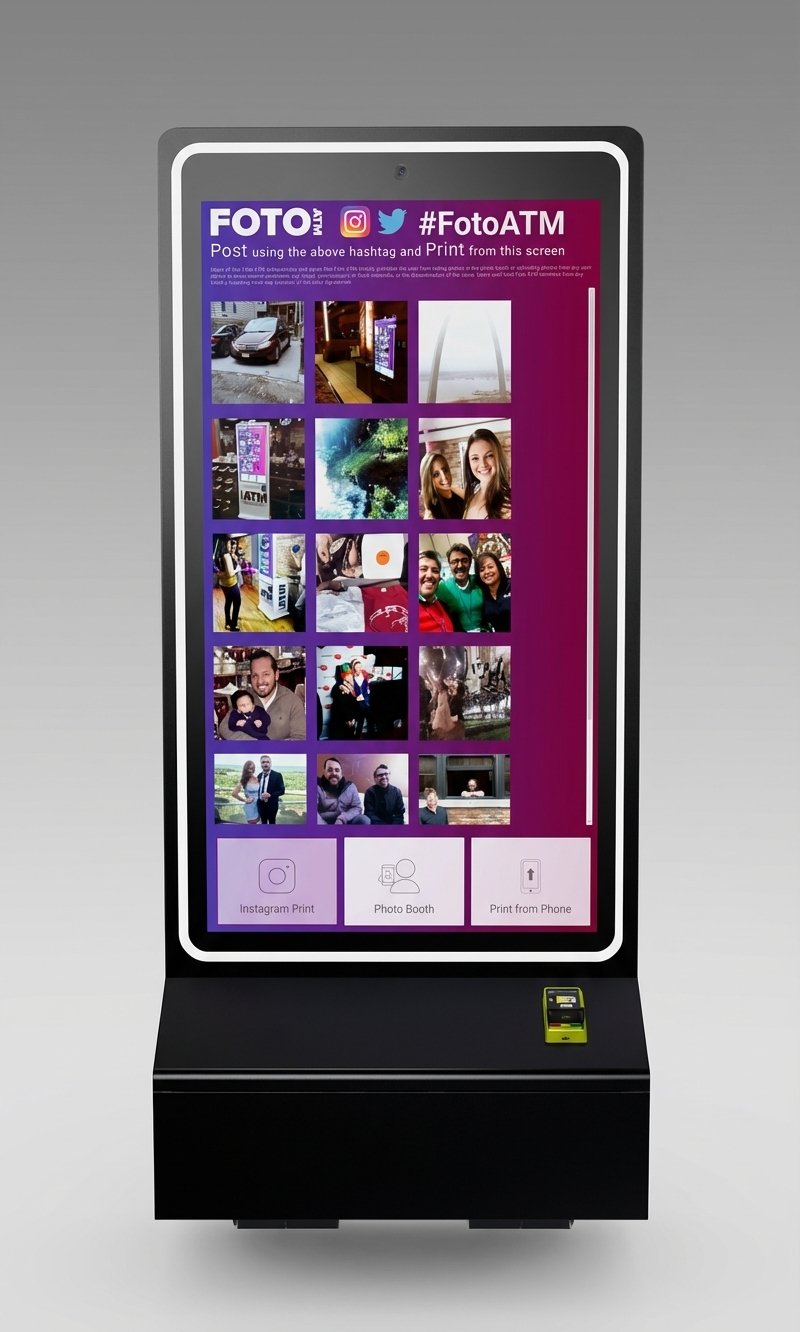
Offline Payments: Features, Pros, and Cons
How Offline Payments Work
Offline payment systems for photo kiosks generally fall into two categories: traditional cash-based systems and hybrid digital systems. Traditional setups rely on coin mechanisms and bill acceptors, which function without an internet connection. On the other hand, hybrid systems use smart card readers with local storage. These readers capture transaction data during network outages, verify the card’s authenticity locally, and forward the details for authorization once the connection is restored.
The hardware typically includes a touchscreen for navigation, EMV and NFC card readers, cash or bill acceptors, and receipt printers. When a customer selects a service, the terminal prompts for payment. In hybrid setups, payments are authorized instantly offline, with financial settlements occurring later. To secure transactions, Point-to-Point Encryption (P2PE) protects data from the moment it’s read, while tokenization replaces sensitive card details with randomized substitutes. These measures address the data vulnerabilities discussed in the drawbacks section.
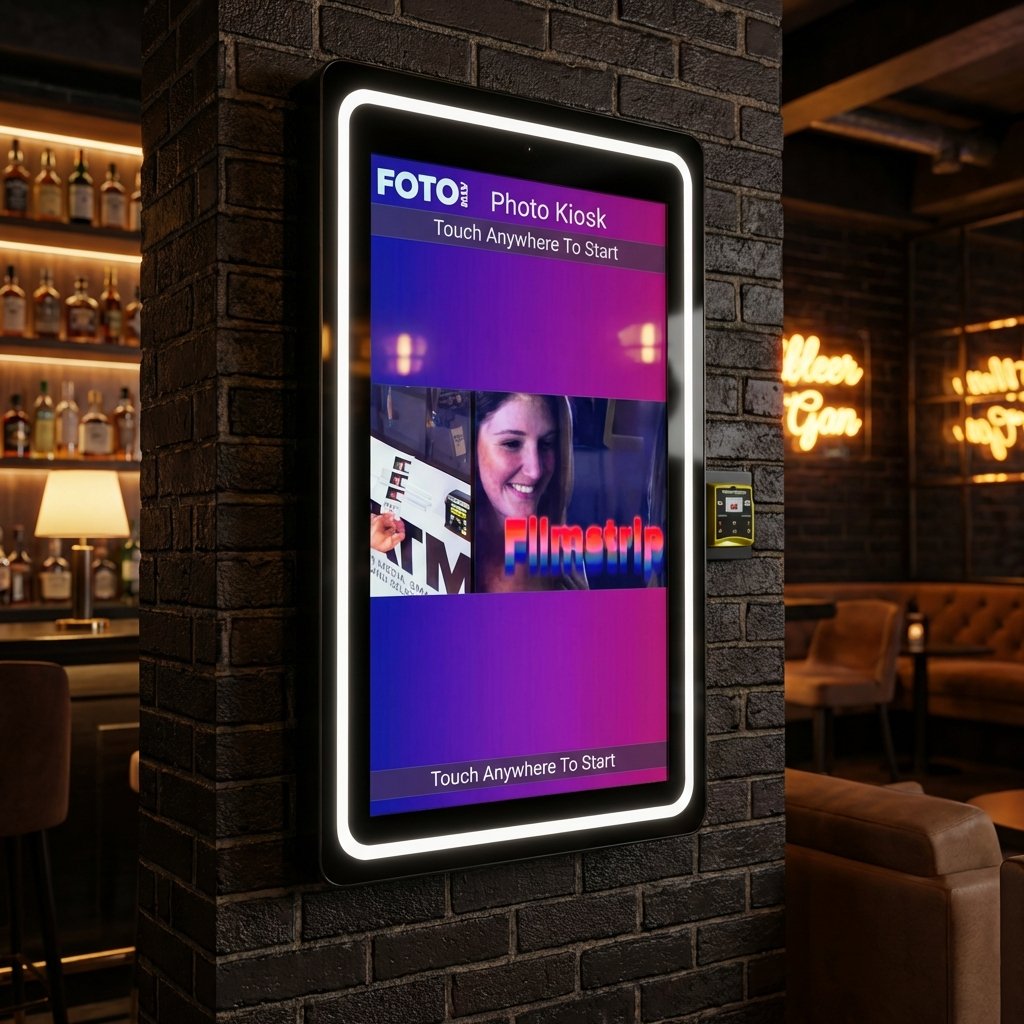
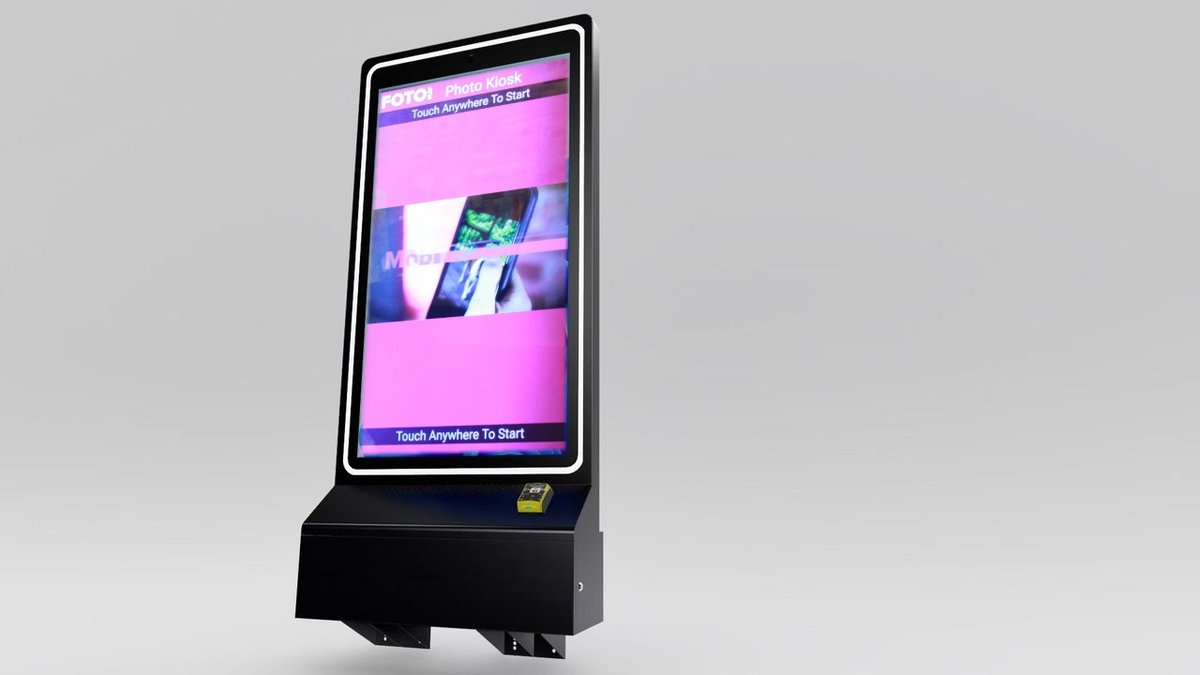
Foto ATM’s kiosks are designed to support these systems with hardware like Convertible EMV and Bill Acceptor Mounts. This flexibility allows operators to choose payment methods suited to their location and customer needs.
Offline systems are particularly effective at ensuring operations continue uninterrupted, even during network disruptions.
Benefits of Offline Payments
A major upside of offline systems is their ability to keep running during network failures. Whether it’s a temporary issue with an internet provider or a broader outage affecting payment processors, offline-capable kiosks remain operational.
“More mature implementations of offline systems could both augment payment system resilience and improve access to digital payment services, where lack of internet connectivity is a barrier to uptake.” – Federal Reserve Board
Offline payments are especially useful in remote or underserved areas where stable internet is unreliable or unavailable. With roughly 2.6 billion people globally still offline, these systems play a crucial role. They’re ideal for outdoor events, festivals, rural locations, or any venue where maintaining a high-speed connection is challenging or costly. From the customer’s perspective, transactions feel just as quick as online payments – no delays from slow network responses.
Cash-based systems offer another advantage: they cater to the 63% of U.S. millennials who still use cash or checks.
Drawbacks of Offline Payments
Despite their strengths, offline systems come with challenges. One of the biggest concerns with hybrid systems is merchant liability. If a transaction is approved offline but later declined due to insufficient funds, the merchant absorbs the loss. This creates a risk for “double spending”, where customers might use the same funds multiple times before their balance is verified.
“In instances where the payer has insufficient funds or of prolonged internet inaccessibility, the payee assumes the loss.” – Federal Reserve Board
Physical security is another issue. Unattended kiosks are vulnerable to tampering, as criminals might install skimmers to steal card data or attempt to hack the device’s operating system. Such risks can erode user trust, which is essential for a smooth kiosk experience. Cash-based systems face their own challenges, such as theft risks and the need for regular cash collection, which adds labor costs and logistical concerns.
“Unattended solutions, though useful, are also easy targets for cyber criminals to infiltrate and steal credit card data.” – John Menzel, Senior Self-Service Solutions Manager, Ingenico Group North America
There are also data storage limitations. Many offline terminals can only hold transaction data for 24 to 72 hours. If the internet isn’t restored within this period, pending transactions may be lost. Additionally, kiosks need to connect at least every 60 days to receive critical security updates.
Comparison of Offline Payment Methods
| Offline Payment Method | Pros | Cons | Use Case |
| Coin Mechanisms | Reliable, no internet needed, low fees | Requires physical emptying, theft risk, bulky | Small-value photo prints, arcades |
| Bill Acceptors | Trusted by users, works for unbanked customers | Counterfeit risk, manual cash handling required | Remote areas, high-cash locations |
| Offline Card Readers | Fast, supports NFC/EMV, convenient | Merchant bears declines, requires later syncing | Events, festivals, areas with spotty Wi-Fi |
To reduce risks in hybrid systems, it’s wise to set a maximum offline transaction limit – Stripe, for example, enforces a $10,000 cap, though lower limits are often safer for kiosks. Physical security can be improved with tamper-evident seals, anti-skimming hardware, and IP65-rated enclosures. Scheduling kiosks to sync transactions as soon as a connection is detected also minimizes vulnerabilities.
Online Payments: Features, Pros, and Cons
How Online Payments Work
Online payment systems process transactions in real time through internet connectivity. Here’s how it works: when a customer uses their card or smartphone at a photo kiosk, the terminal connects to a secure, cloud-based payment gateway. This gateway checks the card’s validity and confirms whether there are enough funds available, then sends back an approval or decline response.
For added convenience, NFC-enabled readers support contactless options like Apple Pay, Google Pay, and tap-to-pay credit cards. EMV chip technology, used for inserted cards, adds an extra layer of security. To protect sensitive card data, technologies like Point-to-Point Encryption and tokenization ensure security from the moment the data is captured.
One of the standout features of these systems is their cloud integration, which allows for remote management and real-time performance tracking. Unlike offline systems that store transaction data locally and process it later, online payments settle immediately, giving businesses quicker access to funds. This instant processing is key to the many advantages discussed below.
Benefits of Online Payments
The real-time nature of online payments brings a host of benefits. First, immediate authorization ensures that funds are available, minimizing the risk of processing invalid transactions. This creates a smoother, faster checkout experience, which customers appreciate. In fact, research shows:
“80% of in-store shoppers would like to use non-traditional checkout options like self-service.” – PYMNTS
For business operators, remote monitoring is another game-changer. It allows them to track transaction activity, address potential issues like malfunctions, and even spot suspicious activity – all from a distance. Plus, online systems generate valuable data analytics. These insights can help businesses optimize kiosk locations, adjust pricing strategies, and create targeted promotions.
Foto ATM’s payment solutions are a great example of how online systems combine ease of use with detailed transaction oversight. Additionally, the shift away from cash handling means lower labor costs and reduced risks tied to managing physical money.
Drawbacks of Online Payments
While online payments offer many perks, they also come with challenges. The most obvious issue is their reliance on a steady internet connection. If the connection goes down, transactions can’t be processed. A striking example of this occurred during a 2018 Visa outage in Europe, where 5 million transactions failed in just 10 hours. This kind of disruption can be especially troublesome in places like outdoor events, festivals, or rural areas with spotty connectivity.
Another downside is the higher setup cost. Businesses need certified hardware, secure software, and must comply with strict data security standards like PCI DSS. On top of that, processing fees – such as per-transaction gateway charges in addition to standard interchange fees – can cut into profits, particularly for businesses handling a high volume of low-value transactions.
Online Payment Methods Compared
| Online Payment Method | Pros | Cons | Use Case |
| NFC / Mobile Wallets | Quick, secure checkout | Requires NFC-enabled hardware | High-traffic retail; younger customers |
| EMV Chip Readers | Reduces fraud liability; widely accepted | Can wear out mechanically; slower than NFC | General photo printing; high-value purchases |
| QR Code Payments | Fully contactless; no special reader needed | Relies on users’ smartphones and data | Loyalty programs integrated with mobile apps |
| Magnetic Stripe | Works with older cards | High fraud risk; vulnerable to skimming | Older systems (being phased out) |
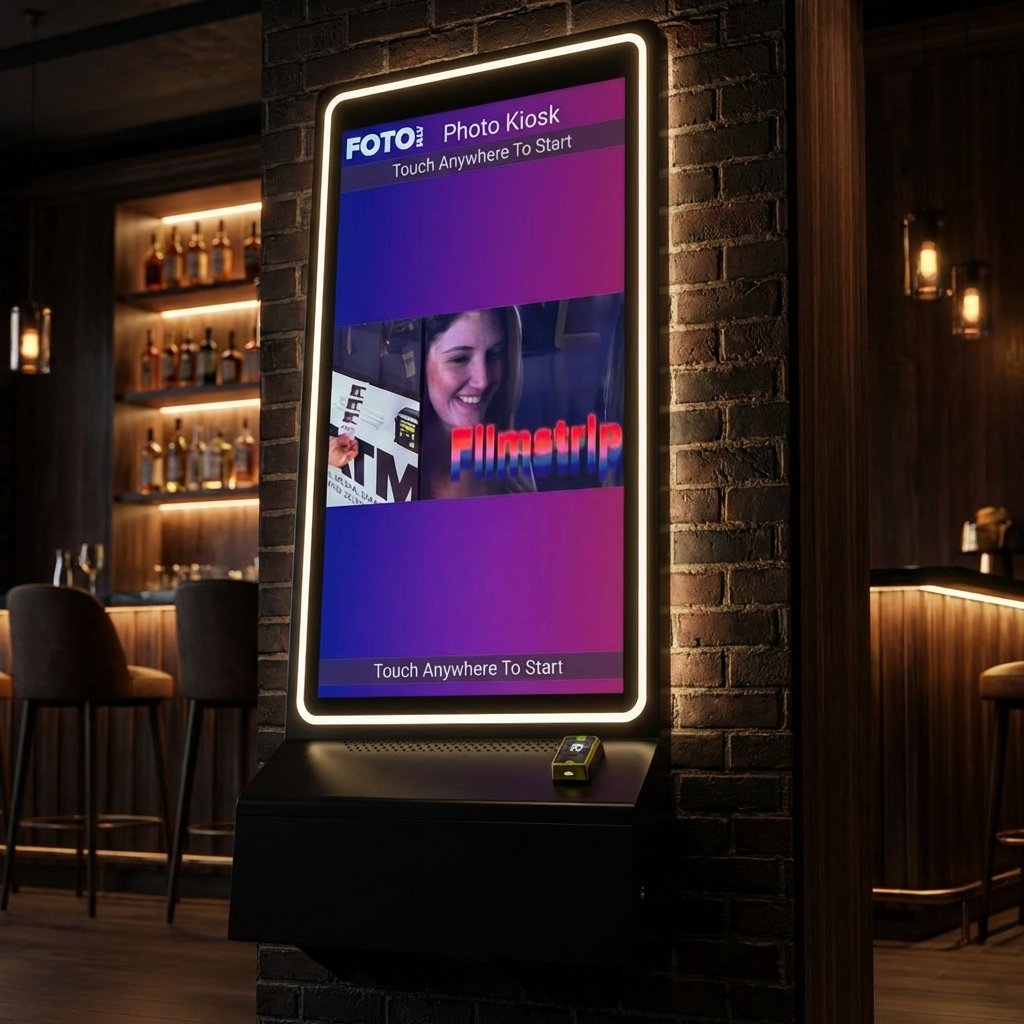
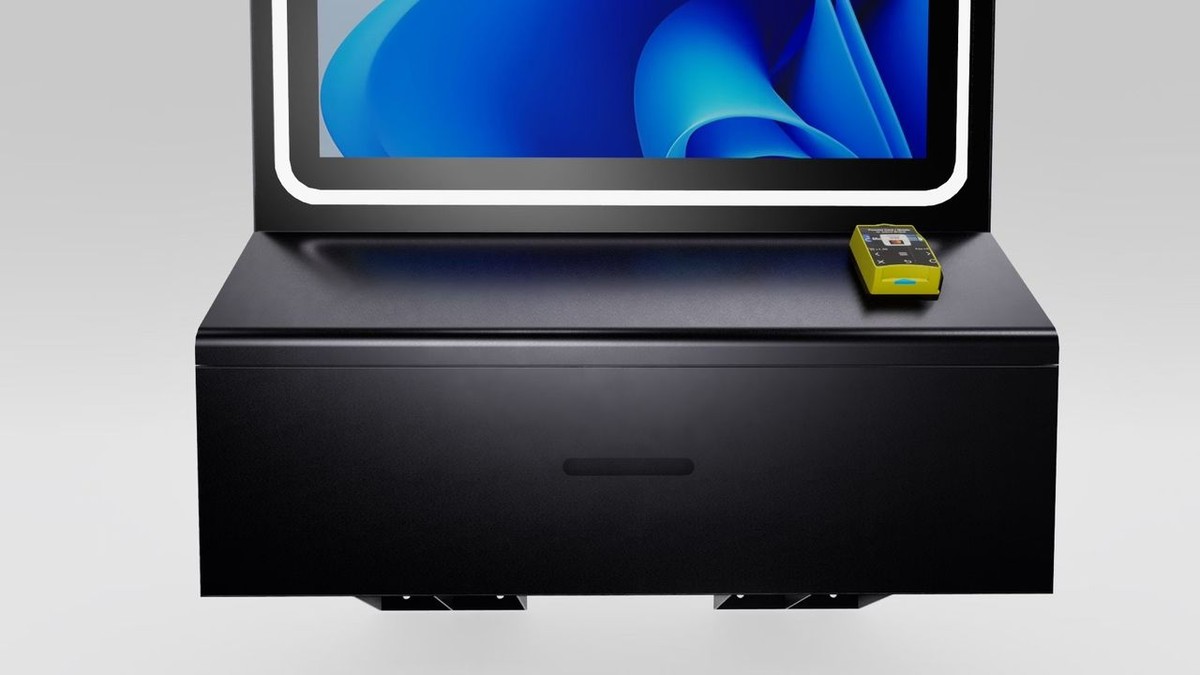
Foto ATM addresses these challenges with its Vista and Vero kiosks, which feature a Convertible EMV Mount. This design supports both chip and contactless payments, offering flexibility for customers while meeting Level 1 EMV compliance for secure, unattended transactions.
sbb-itb-3201140
Offline vs. Online Payment Systems
Direct Comparison of Features
When deciding between offline and online payment systems for your photo kiosk, it’s essential to understand how they differ. Here’s a side-by-side look at their key features:
| Feature | Online Payment Systems | Hybrid Offline Systems |
| Reliability | Dependent on internet; targets 99.999% uptime | Operates during outages; stores transactions locally |
| Transaction Speed | Real-time authorization in seconds | Instant for customers; delayed settlement for merchants |
| Security | Real-time fraud checks and funds verification | Local encryption; risks include double spending and declined cards |
| Costs | Standard processing and gateway fees | Merchant bears liability for declined transactions |
| Best Use Case | Stable Wi-Fi/Ethernet in high-traffic venues | Remote areas, outdoor events, or locations with unreliable connectivity |
Each option has its advantages and challenges, depending on the venue and transaction needs.
Online systems provide instant authorization, so you know immediately if a transaction is approved. However, they rely entirely on internet connectivity. A notable example is the February 2021 Fiserv outage, which disrupted U.S. merchant transactions and exposed the vulnerability of purely online systems.
On the other hand, hybrid offline systems keep your kiosk running during connectivity issues by storing transactions locally. But there’s a trade-off: delayed verification can lead to risks like insufficient funds or prolonged outages, where the merchant absorbs the loss.
Security is another critical distinction. Online systems perform real-time fraud checks, while hybrid systems rely on local encryption and process data later. A significant risk for offline systems is double spending – where funds are used multiple times before settlement.
Which Payment System Fits Your Business?
Choosing the right payment system depends on factors like venue type, transaction volume, and customer preferences.
For high-traffic indoor venues such as bars, restaurants, or retail stores with reliable internet, online systems are the go-to choice. They provide instant approval, reduce fraud, and offer real-time analytics. Research shows that about 75% of consumers prefer credit or debit cards, and 85% of U.S. consumers under 35 have used mobile wallets for payments. These customers expect fast and seamless transactions.
For outdoor events, festivals, or rural areas with spotty internet, hybrid offline systems are a better fit. They allow your kiosk to operate even when connectivity drops. To minimize risks, set transaction limits and aim to restore connectivity within 24–72 hours to process stored transactions before they’re deleted.
Foto ATM’s kiosks with a Convertible EMV Mount provide the flexibility to adapt to different payment needs. You can switch between Nayax card readers for online processing in stable environments or configure the system for hybrid use in challenging locations. This adaptability ensures you’re not tied to one system, allowing you to adjust as your business evolves or as kiosks move to new venues.
For businesses managing multiple kiosks, remote management tools and integrated gateways simplify operations. These gateways handle essential updates, such as bi-annual card brand changes and PCI compliance, saving you months of certification work when adding new hardware. Plus, a single dashboard lets you monitor transactions, track kiosk performance, and identify issues across your entire fleet.
Choosing the Right Payment Solution
When selecting a payment system, it’s important to consider the specific needs of your venue and customers. For high-traffic indoor spaces like bars, restaurants, and retail stores, online payment systems are often the best choice. These environments typically have stable internet connections and customers who expect quick, contactless payment options. In fact, studies reveal that nearly 50% of consumers avoid shopping at stores that don’t offer contactless payment options. This highlights just how crucial it is to meet these expectations.
For venues where internet connectivity is less reliable, hybrid systems can be a game-changer. These systems allow businesses to keep operating during outages, ensuring no sales are lost. However, it’s worth noting that delayed transaction authorizations in hybrid setups can sometimes lead to increased risks of fraud and chargebacks.
Foto ATM offers solutions tailored to these varying needs through its hardware and cloud-based software. Their Vista and Vero kiosks are equipped with a Convertible EMV and Bill Acceptor Mount, giving you the flexibility to switch between Nayax card readers for online processing or configure the system for hybrid use with bill acceptors for cash transactions. This adaptability is invaluable as your business grows or your operational setup evolves.
On the software side, Foto ATM’s cloud-based FotoBooth platform takes operational management to the next level. It allows you to oversee multiple kiosks, update pricing, and track revenue – all in real time. As Jim Kershbaumer, Owner of Cash Cow Vending, shares:
“As a vendor, it’s important to have real time updates on how my products are performing, and with Foto ATM’s FotoBooth app I’m able to view analytics and update my kiosks remotely from my phone”.
This ability to manage operations remotely becomes increasingly critical as businesses expand to multiple locations, offering both convenience and efficiency.
FAQs
What security risks should I be aware of when using offline payment systems?
Offline payment systems carry some inherent security risks, largely because they lack real-time authorization. Without instant verification, there’s a higher chance of accepting fraudulent or invalid payments.
Another concern is that these systems often store sensitive payment data locally. If robust security measures, such as encryption, aren’t implemented, this data becomes more susceptible to breaches. To reduce these risks, it’s crucial to ensure regular system updates and handle payment information securely.
How do hybrid offline payment systems work during internet outages?
Hybrid offline payment systems keep transactions running smoothly, even during internet outages. They work by temporarily storing payment data directly on the device. Once the connection is back, the system securely sends the stored data for processing and approval.
This approach ensures uninterrupted payment experiences and avoids operational hiccups – perfect for setups like photo kiosks, where reliable transaction handling is a must.
What should I consider when deciding between offline and online payment options for my photo kiosk?
When deciding between offline and online payment systems for your photo kiosk, it’s essential to weigh factors like reliability, internet connectivity, and what your customers prefer.
Offline payment systems are perfect for locations where internet access is spotty or network congestion is an issue. They allow your kiosk to function smoothly without interruptions, even in challenging environments. However, they don’t offer real-time transaction tracking or integration with digital tools, which might be a limitation for some businesses.
On the flip side, online payment systems shine when it comes to real-time processing, seamless integration with cloud-based tools, and access to advanced analytics. These systems also support popular cashless payment options like EMV cards, mobile wallets, and P2PE, providing an extra layer of security. The downside? They rely on a stable internet connection, which can be problematic in areas with unreliable service.
To choose the right option, think about where your kiosk will be located, whether you need real-time data, and the increasing demand for cashless payment options in the U.S. If you’re looking for versatility, solutions like those from Foto ATM can combine both offline and online features to match your specific needs.
Ready to add passive revenue to your venue? Take the 60-second kiosk quiz to find your perfect match, or compare all models side by side.