QR code payments are transforming how businesses manage unattended kiosks. They are fast, secure, and cost-effective, making them an excellent choice for industries like retail, vending, and hospitality. With transaction times as short as 2.5 seconds, they reduce wait times and improve customer satisfaction. Over 2.9 billion people globally are expected to use QR codes by 2025, reflecting the growing demand for contactless and efficient payment methods.
Key Takeaways:
-
Adoption Growth: QR code payments have surged, with 11 million U.S. households using them in 2023 – a 433% increase since 2020.
-
Cost Savings: Adding QR payment modules costs under $100 per kiosk, much cheaper than NFC terminals.
-
Security: Features like tokenization and encryption protect sensitive data.
-
Remote Management: Cloud-based tools allow operators to monitor and update kiosks without on-site visits.
-
Consumer Preference: 71% of consumers prefer contactless payments, driven by hygiene concerns and convenience.
Businesses using QR code payments benefit from lower operating costs, faster transactions, and happier customers. This trend is shaping the future of unattended kiosks, offering a scalable and efficient solution for modern payment needs.
Market Trends and Consumer Behavior
QR Code Payment Adoption Rates
QR code payments are gaining serious traction in the United States, showing a sharp rise in adoption. In 2023, 11 million U.S. households used QR codes for payments – a staggering 433% increase since 2020. This surge was largely fueled by the pandemic, which heightened the demand for contactless payment options.
Smartphone usage is a key driver behind this trend, especially among younger age groups. For instance, 73% of Gen Z and 66% of millennials scanned QR codes in the past month, compared to just 15% of baby boomers. This generational divide highlights the comfort younger consumers have with mobile-first technology and their growing preference for digital convenience. As these groups gain more spending power, businesses with unattended kiosks will need to prioritize QR payment options to stay relevant.
The vending machine industry offers a clear example of this shift. By 2025, tap-to-pay methods, including QR code payments, are expected to account for 77% of electronic transactions on vending machines. Despite this progress, only about 20–25% of the 45 million unattended machines worldwide currently support cashless payments, leaving plenty of room for growth.
Globally, the momentum is undeniable. By 2025, over 2.9 billion people are projected to use QR codes for payments, with the U.S. following this trend closely. The global QR payment market is forecasted to exceed $35 billion by 2030, signaling that this technology is here to stay. These figures underscore the growing consumer expectation for fast and hassle-free payment options.
Consumer Demand for Speed and Hygiene
The rise of QR code payments reflects a broader demand for quick and hygienic payment experiences. With an average transaction time of just 2.5 seconds, QR payments are among the fastest available, making them especially appealing for unattended kiosks. They eliminate delays tied to cash handling or card swiping, allowing customers to scan, confirm, and move on – ideal for busy, high-traffic environments.
The pandemic also reshaped how consumers view physical contact in public spaces. What began as a health precaution has evolved into a lasting preference for touchless interactions. For example, in the restaurant industry, 82% of diners now prefer QR menus over traditional ones, a shift that extends to payment systems. In unattended kiosk settings, customers actively seek options that minimize contact with shared surfaces.
Even as the pandemic fades, hygiene concerns remain. Contactless solutions, once considered temporary measures, are now seen as standard features. QR code payments address these concerns by removing the need to touch terminals, handle cash, or share physical cards. Customers can complete transactions using their personal devices, keeping physical contact to a minimum.
Beyond hygiene, QR payments also boost efficiency and revenue. Their speed and ease of use can increase average ticket sizes by 26%. For kiosk operators, this means not only faster transactions but also higher earnings per purchase.
Sodexo’s InReach convenience and vending business highlights the financial potential of embracing these trends. By 2025, the company aims to generate at least $500 million in annual revenue, with a significant portion coming from QR code and contactless payments. This success demonstrates how meeting consumer expectations for speed and safety can drive business growth.
The convenience of QR codes extends further. They allow transactions to be completed from a distance, making them ideal for crowded locations like event venues, retail stores, and transit hubs. This flexibility ensures smoother customer flow and a better overall experience.
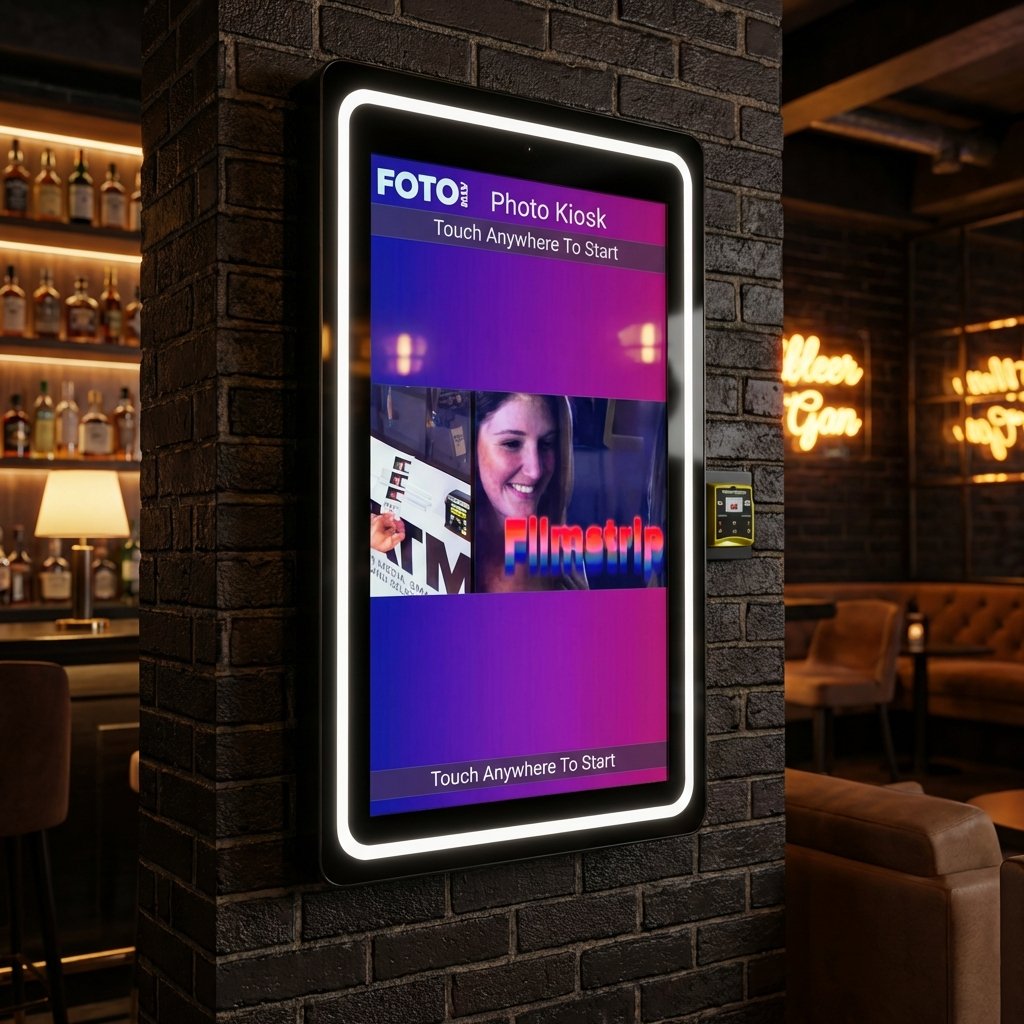
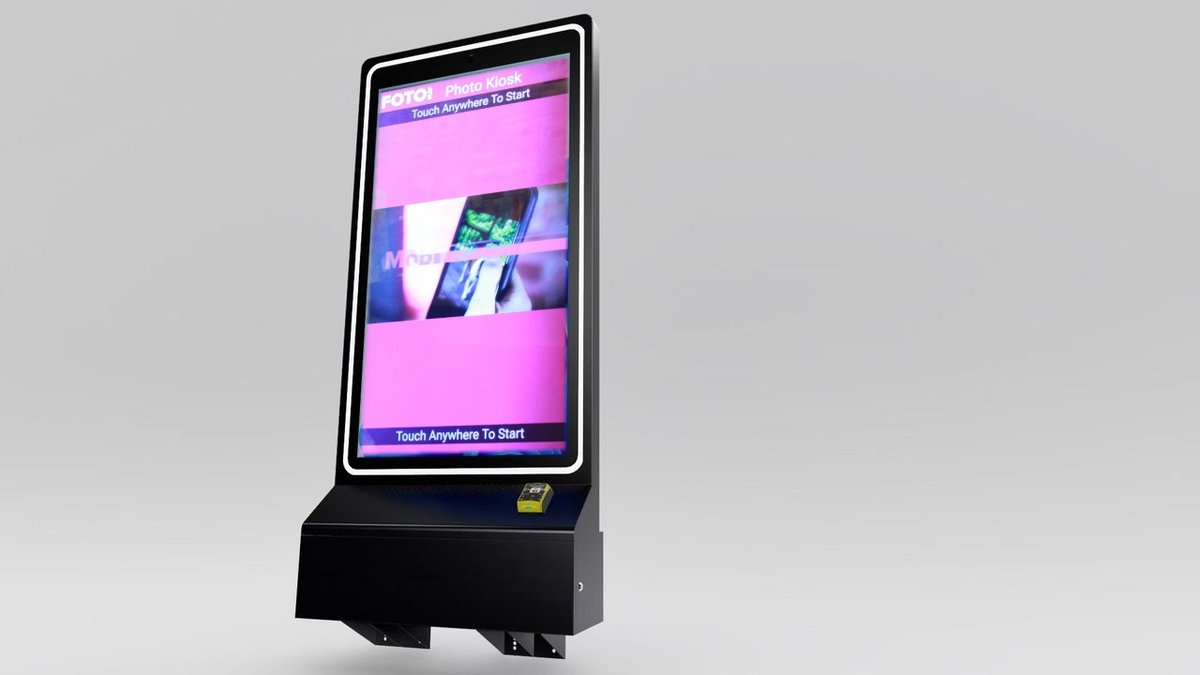
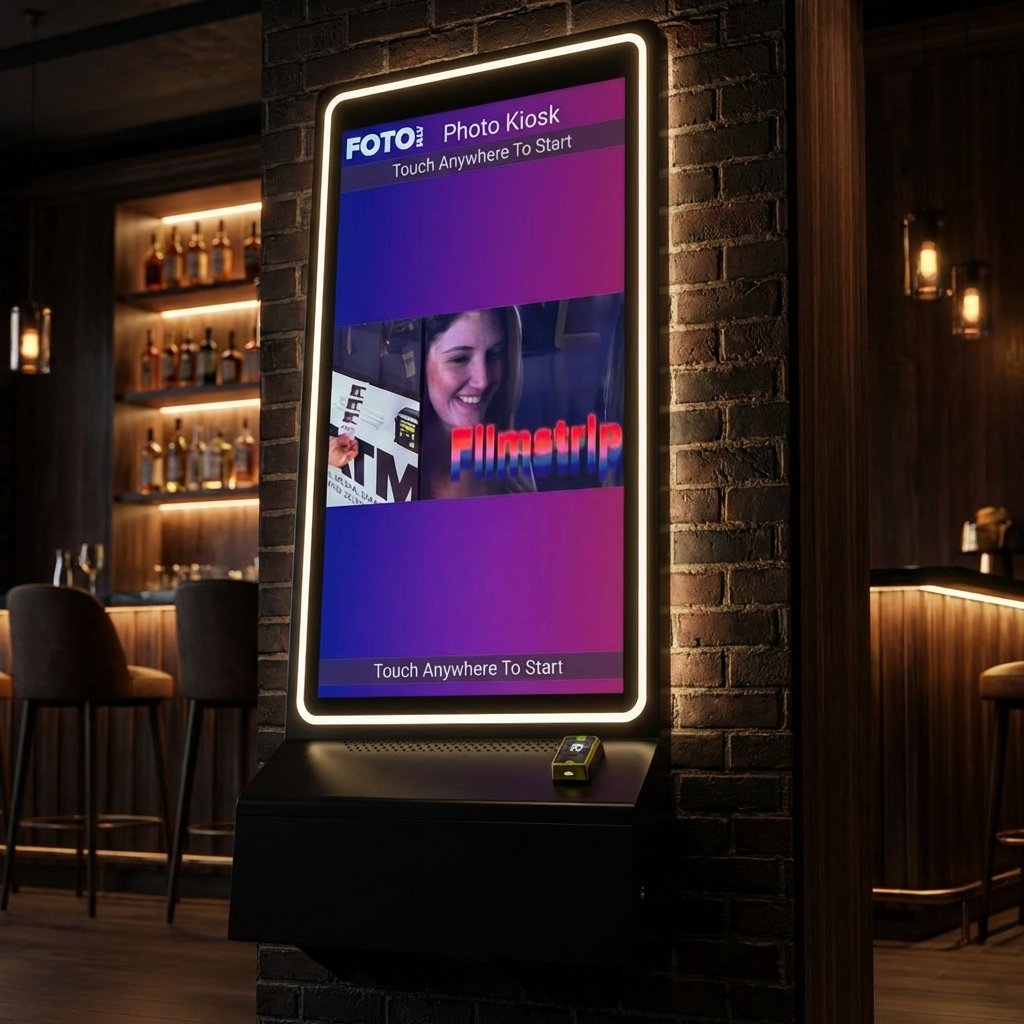
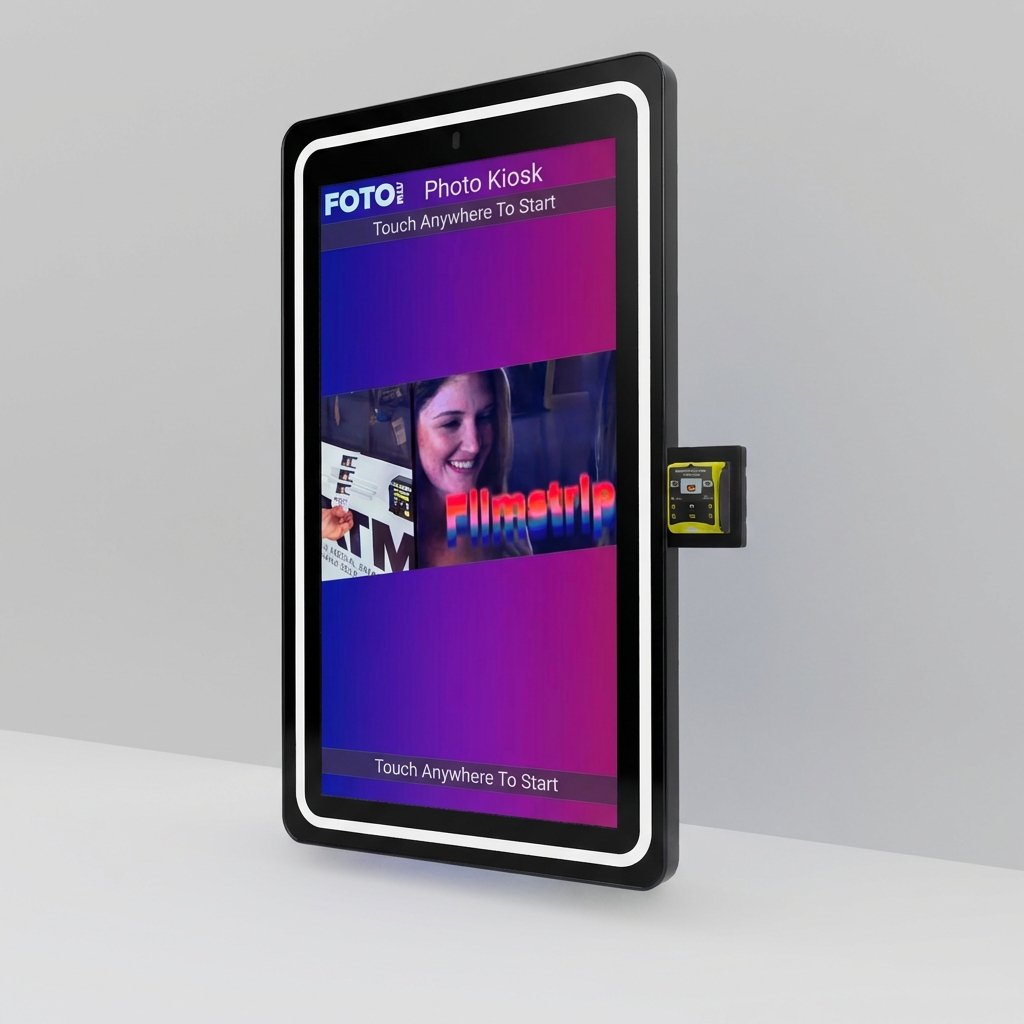
Take Foto ATM, for example. By integrating QR code payments into their cloud-based photo kiosks, they’ve made transactions faster, more secure, and entirely contactless. This approach appeals to customers who value both convenience and cleanliness, showing how businesses can adapt to meet evolving consumer needs.
2d kiosk qr code reader payment kiosks & pos system terminal dark scenario reading barcode scanner
Technical and Operational Advantages
QR code payments bring several operational perks: they’re affordable, easy to set up, and require less maintenance than traditional payment systems. These qualities make them an excellent choice for scaling unattended kiosks.
Low Cost and Simple Integration
Adding QR payment capabilities to a kiosk is surprisingly cost-effective. A QR payment module costs under $100 per kiosk, a fraction of the cost of NFC terminals, which often exceed $300 each. For operators managing 50 kiosks, this means saving over $10,000 upfront. Plus, most modern kiosks already come equipped with display screens and cameras, so enabling QR payments typically requires only a software update – no expensive hardware installations needed.
Integration is straightforward too. QR code systems use open APIs and standard web protocols, which simplify the process. Providers like Foto ATM offer plug-and-play modules that require minimal coding, making the transition seamless. Because QR payments are software-based, updates and improvements can be rolled out remotely. This not only keeps costs low but also allows businesses to quickly adapt to changing customer needs.
These cost and integration advantages are further complemented by robust security features.
Security Features
QR code payments are designed with security in mind, offering features like tokenization and end-to-end encryption. When a customer scans a QR code, their sensitive payment information is replaced with a one-time-use token. This means actual card or account details are never transmitted or stored on the kiosk. End-to-end encryption ensures that the payment data remains protected throughout the entire transaction process.
Most QR payment platforms comply with PCI DSS standards, and leading services like PayPal and Stripe rely on these protocols to process millions of secure transactions annually. This approach not only reduces the risk of fraud but also minimizes the operator’s liability in the event of a security breach.
Remote Management Capabilities
QR code systems also shine when it comes to operational efficiency, particularly through remote management. Unlike traditional card readers, which have moving parts that can wear out or be tampered with, QR code systems rely on software and standard displays. This reduces the number of components that might fail, leading to up to 40% lower maintenance costs for operators using QR code payments in vending machines and photo kiosks.
Cloud-based platforms further enhance efficiency. Operators can monitor transactions, adjust payment settings, and troubleshoot issues remotely. Instead of sending technicians to each kiosk for updates or repairs, administrators can manage pricing, push software updates, and even launch promotional offers from a central dashboard.
Jim Kershbaumer, owner of Cash Cow Vending, shared his experience with Foto ATM’s FotoBooth app:
“As a vendor, it’s important to have real-time updates on how my products are performing, and with Foto ATM’s FotoBooth app I’m able to view analytics and update my kiosks remotely from my phone.”
This level of control reduces downtime, ensures consistent service quality, and keeps on-site support costs to a minimum. Operators can quickly implement new strategies or adjustments across their network, boosting efficiency and improving customer satisfaction.
These combined advantages – cost savings, security, and remote management – make QR code payments a smart choice for unattended kiosk environments, driving faster transactions and reducing operational headaches.
sbb-itb-3201140
Research Findings for Unattended Kiosks
Research highlights several benefits of using unattended kiosks, particularly when integrated with QR code payment systems. Studies consistently demonstrate that QR code payments not only speed up transactions but also lower costs and enhance customer satisfaction. These advantages make them a valuable addition to kiosk operations.
Faster Transactions and Fewer Abandoned Payments
The average QR code payment is completed in just 2.5 seconds. Compare that to traditional card payments, which take 15–30 seconds, or cash transactions, which often take even longer due to the need for manual handling and making change. This time-saving aspect significantly reduces the likelihood of transaction abandonment, especially since it eliminates issues like card misreads or cash jams. The result? Faster transactions and improved kiosk efficiency.
Additionally, QR code payments minimize errors by cutting down on manual inputs and avoiding mechanical failures. This streamlined process not only creates a smoother customer experience but also directly reduces operational costs for kiosk operators.
Lower Operating Expenses
The financial perks of QR code payments go beyond saving time. Operators report up to 30% savings on payment hardware and maintenance costs. By eliminating the need for card readers, cash handling equipment, and their associated upkeep, businesses can significantly cut costs.
Cloud-based management tools further reduce expenses. With remote monitoring and software updates, technicians rarely need to visit kiosks for routine maintenance, which lowers labor costs and keeps kiosks running smoothly. Removing cash handling also eliminates the need for armored car pickups and manual cash management, further streamlining operations.
Boosting Customer Satisfaction
Customer behavior data reflects a strong preference for QR code payments. In 2023, 80% of smartphone users scanned at least one QR code, and 11 million U.S. households actively engaged in QR code scanning. This widespread familiarity, combined with the convenience and hygiene of touch-free payments, has noticeably improved customer satisfaction at unattended kiosks.
Case studies reveal that kiosks offering QR payments see higher transaction volumes and better customer retention compared to those relying on cash or card systems. Between 2020 and 2023, QR code usage surged by 433%, aligning with earlier predictions. For kiosk operators, these trends highlight the importance of meeting consumer expectations with QR payment options.
Take businesses like Foto ATM, for example. Their unattended photo kiosks, often placed at events, bars, and retail locations, have seen measurable benefits from QR code payments. The touch-free, hygienic nature of these payments appeals to customers in public spaces, driving repeat usage and positive recommendations. This combination of efficiency and customer satisfaction makes QR code payments an essential feature for modern kiosks.
Implementation Guidelines
Setting up QR code payments for your unattended kiosks doesn’t have to be complicated. With the right technical setup, thoughtful design, and cloud-based tools, you can create a payment system that works seamlessly for both your business and your customers.
Technical Requirements
A reliable internet connection is the backbone of any QR code payment system. Your kiosks must maintain stable, real-time communication with payment processors to ensure quick transactions. To avoid disruptions, use dual connectivity: primary broadband with a backup cellular (4G/5G) service. This setup is particularly useful for kiosks in remote or low-coverage areas where internet outages can be more common.
Your kiosk displays must have sufficient brightness and resolution to ensure QR codes are easy to scan, whether in dimly lit indoor spaces or bright outdoor settings. Test the screens in varying light conditions to confirm they remain effective throughout the day.
Integrating payment processing software with multiple gateways and mobile wallets is key. This allows your kiosks to accept Apple Pay, Google Pay, and regional wallets – all through a single terminal. Including NFC modules for contactless payments gives customers even more flexibility, complementing QR code functionality.
Security should never be overlooked. Use end-to-end encryption to protect all transactions and ensure compliance with PCI DSS standards for managing payment data. Tokenization – replacing sensitive payment details with unique tokens – provides an extra layer of protection against breaches. Regular security audits can help identify and address vulnerabilities before they cause issues.
Investing in battery backup systems (UPS) is another smart move. These systems keep kiosks operational during brief power outages, ensuring transactions aren’t interrupted. For critical setups, consider redundant processor connections to route transactions through alternative gateways if the primary one fails.
Once the technical foundation is solid, the next step is to focus on creating a smooth and user-friendly experience.
Improving User Experience
Even the most advanced payment system can fail if customers find it difficult to use. Start by providing clear, easy-to-follow instructions on the screen. Include multilingual options and simple visual cues that guide users step by step. Position QR codes at eye level and at angles accessible to people of varying heights and physical abilities.
The size of your QR code display matters too. Codes should be large enough to scan quickly and easily. On average, a QR code transaction takes just 2.5 seconds, but only if the code is clearly visible and unobstructed. Test contrast ratios to ensure the codes work well across different smartphone cameras.
A clean and simple interface can make a big difference. Use signage with straightforward prompts like “Scan here to pay”, along with visual examples to reduce uncertainty, especially for first-time users. With 59% of consumers expecting brands to use QR codes for transparency and engagement, a well-designed system can build trust and encourage adoption.
Adding features like digital receipts – sent via email or SMS – provides convenience and keeps transaction records handy. You can also integrate loyalty programs directly into the payment process. For example, customers could scan a loyalty code before paying to apply discounts or earn rewards. Just make sure these features don’t complicate the checkout process; speed and simplicity should remain the priority.
Using Cloud-Based Management Tools
Beyond the hardware and connectivity, cloud-based tools can simplify managing your kiosk network. These platforms enable real-time monitoring of transaction volumes, payment success rates, and system performance across all your kiosks.
Take Foto ATM’s cloud-based software as an example. It allows operators to remotely manage apps, logos, pricing, and even advertisements – all from a smartphone. This eliminates the need for on-site technician visits for routine maintenance, cutting down labor costs. Over-the-air software updates also ensure your kiosks stay secure and feature-ready without requiring manual intervention.
Cloud dashboards provide real-time analytics, automated alerts, and inventory tracking, making it easier to manage multiple locations efficiently. This data helps you make smarter decisions about pricing, promotions, and kiosk placement. It also ensures stockouts are avoided by aligning payment data with inventory levels, streamlining restocking schedules.
For businesses like Foto ATM, cloud platforms also enable customization of payment workflows and integration with extra features like social media sharing. The system supports various payment methods, including EMV readers, bill acceptors, and pulse readers, all managed through a centralized interface. This flexibility ensures that you can adapt to changing customer preferences and emerging payment technologies without needing to replace hardware.
The unattended payment kiosk market is expected to grow from $3.6 billion in 2024 to $9.1 billion by 2033. Businesses that adopt cloud-based management tools will be well-positioned to scale efficiently, managing dozens – or even hundreds – of kiosks from a single dashboard.
Conclusion
QR code payments have emerged as a reliable and budget-friendly option for unattended kiosks. Their rising popularity highlights increasing business trust in this technology and its ability to deliver real, measurable outcomes.
One of the standout advantages of QR code systems is their cost efficiency. By eliminating the expenses tied to cash handling, businesses can save significantly. Even better, these systems have been shown to boost average ticket sizes by 26%. Embracing QR code payments now can give businesses a competitive edge in a fast-evolving market.
Speed is another key benefit. Transactions take just 2.5 seconds on average, which helps keep lines moving and reduces wait times. Additionally, cloud-based tools offer remote monitoring, instant updates, and troubleshooting capabilities, cutting down on the need for on-site maintenance. These features not only streamline operations but also enhance the overall user experience.
Modern consumers expect speed, convenience, and hygiene in their payment options, and QR code systems deliver on all fronts. By 2025, it’s projected that over 2.9 billion people globally will use QR codes. In 2023 alone, 80% of smartphone users scanned at least one QR code. These statistics clearly show a growing preference for contactless and efficient payment methods.
For businesses running unattended kiosks like Foto ATM, adding QR code payment options alongside traditional methods ensures they can cater to a wide range of customer preferences. With support for mobile wallets, contactless payments, and cloud-based management, these systems provide a solid foundation for businesses looking to grow in an increasingly digital world.
FAQs
How do QR code payments enhance security at unattended kiosks?
QR code payments provide a safer way to make transactions by removing the need for physical cards or cash, which lowers the chances of theft or card skimming. Since these payments are encrypted and handled digitally, sensitive details like card numbers stay protected. Plus, because QR codes are scanned right from your device, there’s less risk of tampering with payment terminals or hardware.
What are the costs for businesses using QR code payments at kiosks, and how do they compare to other payment methods?
Switching to QR code payments for kiosks can be a smart way for businesses to cut costs compared to traditional payment methods. By using QR codes, you can skip the need for pricey card readers and other hardware, which means lower upfront investments and fewer maintenance expenses. On top of that, transaction fees for QR code payments are often competitive, making them a budget-friendly choice for businesses aiming to keep operating costs in check.
Although the exact costs depend on the provider you choose, QR code systems are typically simpler to set up and maintain. Plus, they cater to customer preferences for quick, contactless payments – something that can enhance customer satisfaction and encourage them to return.
Why are QR code payments popular with younger consumers, and how do they benefit businesses with unattended kiosks?
QR code payments are becoming increasingly popular with younger consumers, thanks to their speed, convenience, and smooth digital experience. With just a smartphone, users can make payments quickly, skipping the need for cash or physical cards. This makes QR codes especially appealing to tech-savvy individuals who value efficiency.
For businesses operating unattended kiosks, this shift brings notable benefits. QR code payments eliminate the need for expensive hardware like card readers, simplify payment processing, and improve customer satisfaction by offering a modern, contactless option. In busy locations like retail stores, event venues, and restaurants, this can translate into higher usage and greater revenue.
Ready to add passive revenue to your venue? Take the 60-second kiosk quiz to find your perfect match, or compare all models side by side.