Photo booths in 2025 are more than just photo-taking stations – they’re immersive, tech-driven entertainment hubs. Here’s a quick overview of the trends shaping the industry this year:
-
AI-Powered Photo Editing: Real-time enhancements like background removal, lighting fixes, and personalized effects save time and improve photo quality.
-
360-Degree Video Recording: Captures dynamic videos from all angles, creating shareable, high-quality content.
-
Augmented Reality (AR) Features: Interactive props, animations, and effects blend the physical and digital worlds for unforgettable experiences.
-
Self-Operating Kiosk Systems: Contactless, automated kiosks streamline check-ins and photo-taking while reducing staffing needs.
-
Custom Personal Photo Options: Tailored filters, branded overlays, and interactive elements make every photo unique.
-
Eco-Friendly Photo Solutions: Digital-only booths, recyclable materials, and energy-efficient designs cater to sustainability goals.
-
Connected Event Platform Integration: Syncs with event management tools and social media for seamless sharing and data collection.
-
Advanced Security and Privacy Controls: Strong encryption, privacy settings, and data protection build trust with attendees.
Why It Matters:
-
85% of guests and 80% of planners agree photo booths enhance events.
-
Eco-friendly and tech-savvy booths meet growing demands for sustainability and interactivity.
-
These advancements boost engagement by up to 40% and extend an event’s reach through shareable content.
Photo booths are no longer just about taking pictures – they’re about creating experiences that people remember and share. Dive into the full article for more details on how these trends are transforming events in 2025.
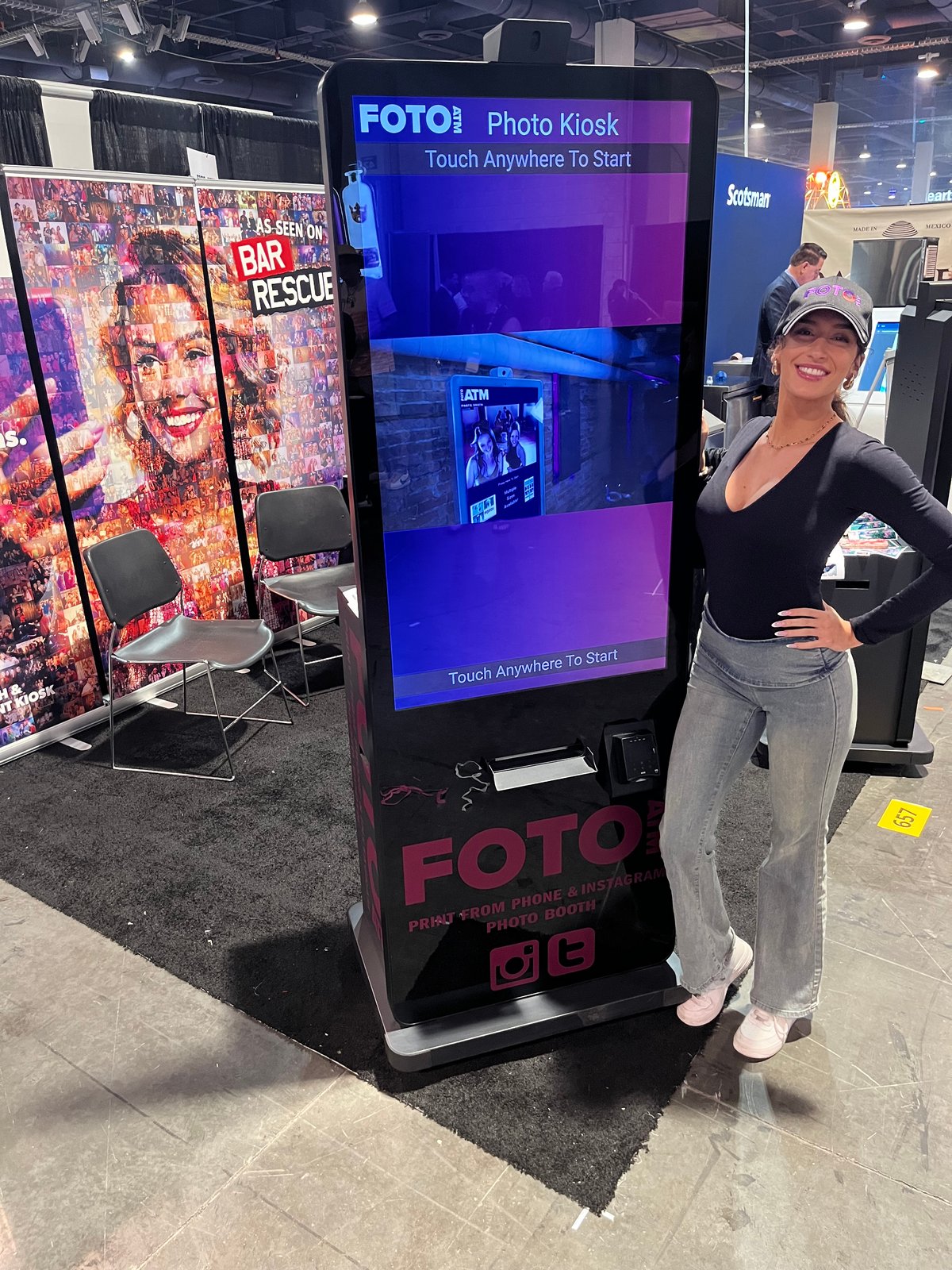
Photo Booth Expo 2025: Glam Bots, Sketch Bots, AI – Oh My!
1. AI-Powered Photo Editing
AI-powered photo editing is changing the way event photos are handled, turning ordinary snapshots into professional-grade images in just seconds. Features like background removal, portrait retouching, and style transfers – once the domain of skilled professionals – are now automated and accessible.
For instance, AI can process 1,000 images in just five minutes, saving event organizers up to 10 hours of manual work per event. It’s no surprise that the global market for AI image enhancement tools is forecasted to hit $4.36 billion by 2029.
Technology Integration Features
Modern AI photo editing tools are designed to work seamlessly with photo booth hardware and other event technologies. They offer real-time enhancements, fixing lighting issues, adding professional background blur, and refining images instantly. Beyond basic editing, these systems can create custom photo albums based on attendees’ preferences or even identify and highlight emotional moments to compile “most special moments” galleries.
Facial recognition adds another layer of personalization, enabling tailored filters and effects. AI can also enhance lighting, apply dramatic filters, replace dull backgrounds with vibrant scenes, or even simulate formal attire for professional headshots. These advanced features not only improve image quality but also create a more interactive and memorable experience for attendees.
Impact on Attendee Engagement
Real-time AI enhancements mean attendees no longer have to wait for their photos. Images are instantly improved with features like automatic blemish removal, lighting corrections, and artistic filters. This immediate gratification, combined with interactive elements like virtual assistants and AI-driven games, transforms photo booths into engaging entertainment hubs.
The impact on engagement is notable: a survey by EventMB found that 42% of event planners believe AI boosts attendee interaction, and events using AI-driven recommendations see up to 30% higher engagement rates.
Implementation and Setup Requirements
For event planners, integrating AI tools offers both time and cost efficiency. Stylized effects powered by AI engines cost just 1–2 cents per photo, while cloud processing fees range from $0.0020 to $0.03 per image, depending on the complexity. For those new to this technology, pre-made templates and subscription-based tools make implementation straightforward and accessible.
However, data privacy and transparency are critical. Event organizers must handle attendee data responsibly, comply with privacy regulations, and clearly communicate how AI tools are being used. The goal should be to complement human decision-making, not replace it, while regularly monitoring algorithms to reduce potential biases. Tailoring effects to match the event’s branding and using analytics to measure engagement ensures that AI tools meet both attendee expectations and event objectives. This approach not only enhances the overall experience but also provides actionable insights for future events.
2. 360-Degree Video Recording
360-degree video recording takes photo booths to a whole new level, turning them into immersive experiences that capture every angle. Instead of the static feel of traditional setups, these booths create dynamic, high-quality videos that guests love to share. Using cameras mounted on motorized arms, they shoot high-resolution footage at up to 120 frames per second.
In 2020, event companies saw a massive spike in demand for these booths, with inquiries rising by 200–300% compared to previous years. This trend highlights a shift from posed photography to more natural, candid moments. As photo booth technology continues to evolve, 360-degree video recording enhances audience interaction in exciting ways.
Technology Integration Features
Modern 360-degree booths don’t just stop at capturing videos – they also integrate advanced stitching software that blends images from multiple cameras into seamless panoramas. High-resolution cameras ensure every detail is crystal clear, while instant processing adds elements like custom overlays, logos, and special effects to amplify brand recognition. Guests can quickly upload their creations to platforms like Instagram, TikTok, and Facebook, making the experience instantly shareable. Future upgrades, including AI-driven features, real-time 3D effects, and augmented reality tools, promise to make these booths even more engaging and interactive.
Impact on Attendee Engagement
These booths shine when it comes to engaging attendees. By capturing every movement and subtle expression, they turn guests into active participants, creating fun, shareable memories. This transforms the photo booth from a mere backdrop into a lively entertainment centerpiece. Research shows that nonverbal cues, including facial expressions and gestures, make up 55% of communication. By focusing on these details, 360-degree videos produce content that feels more personal and meaningful.
Scalability for Various Event Sizes
Whether it’s a small gathering or a large-scale event, 360-degree video recording fits right in. Success, however, depends on factors like space, lighting, and power availability. These booths are designed to handle high volumes without compromising quality, making them a reliable option for events of all sizes. As the VR market is projected to hit $87.97 billion by 2025, this technology is expected to play a key role in creating immersive event experiences, alongside advancements in AI and eco-friendly solutions.
Implementation and Setup Requirements
Setting up a 360-degree video booth requires careful planning. Controlled lighting, sufficient space, and at least 4K resolution are essential for optimal results. Event organizers should assess these factors to ensure the technology performs at its best. The payoff? Increased attendee engagement and shareable content that extends the event’s reach far beyond its physical location.
3. Augmented Reality Features
Augmented reality (AR) takes traditional photo booths to a whole new level, turning them into interactive hubs where the physical and digital worlds collide. Instead of just snapping a picture, guests can interact with virtual props, animations, and effects in real time. This technology overlays digital elements onto the physical environment, creating experiences that are both immersive and unforgettable. The appeal of AR is undeniable – 77% of users want to interact with products using AR before making a purchase, and 79% are eager to see more applications of this technology.
Technology Integration Features
Today’s AR photo booths are powered by cutting-edge tools like high-resolution cameras, motion sensors, and AR-enabled devices such as smartphones, tablets, or even glasses. These devices connect to display screens or projectors that bring the augmented experience to life in real time. Motion sensors play a key role by detecting gestures and triggering animations or effects. Popular AR features include virtual crowns, animated butterflies, floating balloons, and dynamic backgrounds that react to user movements. Beyond the fun, personalized animations and filters can align with event themes or reinforce brand identity. To top it off, social media integration makes sharing these moments effortless. AR ads, for example, hold viewers’ attention for an average of 75 seconds, outperforming traditional ads by a significant margin.
Impact on Attendee Engagement
AR features dramatically boost attendee engagement. Interactive elements and gamified experiences can increase engagement by up to 60% and improve overall event satisfaction by 50%. Unlike static photo setups, AR booths turn guests into active participants, encouraging them to explore various effects and animations. A standout example comes from the 2023 Emmy Awards, where Amazon Prime Video teamed up with Rock Paper Reality to create a gamified AR experience. Seventy percent of attendees participated, sparking conversations and improving event flow. These booths also encourage repeat visits, as guests return to try new effects or share their favorites with friends. This natural interaction makes AR booths a hit at networking events, corporate gatherings, and beyond.
Scalability for Events of Various Sizes
AR technology is incredibly versatile, making it a great fit for events of all sizes. At weddings, you might see romantic touches like falling rose petals or heart-shaped effects, while corporate trade shows could feature 3D product demos or virtual company tours. Educational events can incorporate interactive learning tools, and festivals might add themed characters or branded animations. Whether it’s a small gathering or a massive conference, AR booths can be tailored to fit the event’s theme and physical space. From cozy meeting rooms to sprawling exhibition halls, the setup can be adjusted to suit the venue’s size and lighting conditions.
Implementation and Setup Requirements
For AR to work seamlessly, the right combination of hardware, software, and environmental factors is essential. The hardware setup typically includes AR-enabled devices with high-quality cameras, large display screens or projectors, motion sensors for gesture tracking, and stable mounting systems. A well-lit space is crucial for accurate AR tracking, and reliable platforms ensure smooth operation. On the software side, choosing platforms and customization tools that align with the event’s needs is key. Stable internet connectivity is also critical, so pre-event testing under realistic conditions is a must. Accessibility is another important consideration – designs should accommodate varying heights, wheelchair users, and others, with clear contrasts to ensure everyone can enjoy the experience.
4. Self-Operating Kiosk Systems
Self-operating kiosks have transformed event check-ins and photo experiences by offering a streamlined, staff-free approach that ensures smooth and efficient interactions. These kiosks combine advanced technology with simple, intuitive interfaces to deliver the seamless, contactless experiences that modern attendees appreciate. The trend toward self-service is undeniable – 38% of fast food orders in the US now come from self-ordering kiosks. Below, we explore the key technological features, benefits, and deployment strategies that make these kiosks stand out.
Technology Integration Features
Self-operating kiosks bring automation to every stage of the event experience, leveraging advancements in AI and AR. These kiosks are equipped with cutting-edge, user-friendly technology. AI enables personalized interactions, while contactless features – such as voice commands, facial recognition, and QR code scanning – offer hygienic and straightforward experiences. They integrate seamlessly with mobile apps and wearable devices, allowing attendees to start their journey on their phones and complete it at the kiosk. Biometric tools enhance both security and personalization, making these systems practical for attendees and event organizers alike. High-quality displays and augmented reality features further enrich the attendee experience, turning kiosks into engaging interaction points. Additionally, multilingual functionality increases accessibility, boosting engagement by 40%. Machine learning takes things a step further by tailoring recommendations to individual preferences. These advancements redefine kiosks, evolving them from simple tools into dynamic hubs of interaction.
Impact on Attendee Engagement
The technology driving self-operating kiosks doesn’t just enhance convenience – it actively engages attendees. Features like gamified interactions, including quizzes, spin-to-win games, and instant rewards, encourage participation and increase dwell time at kiosks. Attendees can explore product details, brand stories, and instructional videos, transforming passive viewers into active participants. In fact, 51% of event professionals who adopted interactive technologies reported positive results from their efforts. Kiosks also cut wait times by as much as 40%, improving event flow and boosting attendee satisfaction. At major music festivals, photo kiosk activations routinely see thousands of attendees engaging with a single unit over a weekend, generating over a thousand opt-in leads per event. Strategically placed kiosks not only maximize engagement but also collect valuable data to personalize future experiences and improve event planning.
Scalability for Events of Various Sizes
Whether it’s a small corporate gathering or a large-scale festival, self-operating kiosks adapt effortlessly to events of any size. For smaller events, a single kiosk can handle multiple tasks like registration, information sharing, and photo opportunities. Larger events benefit from deploying multiple units strategically to manage attendee flow and reduce congestion. These systems can scale both horizontally and vertically – organizers can add kiosks to accommodate more attendees or upgrade existing units with newer features. For example, restaurants have reduced waste by up to 30% by connecting kiosks to inventory systems, showcasing how these tools optimize operations. This same efficiency applies to events, where kiosks simplify check-ins and engagement. Available in various sizes – from compact countertop models to full-height installations for high-traffic areas – and supported by cloud-based software, these kiosks are easy to manage across multiple venues or simultaneous events.
Implementation and Setup Requirements
Successful kiosk deployment requires careful planning. Key steps include choosing optimal locations, estimating the number of units needed, ensuring software compatibility, and verifying adequate power and network connectivity. A great example is SXSW, where the Austin Convention Center installed 20 kiosks, cutting average wait times from 25 minutes to under 5 minutes. This setup involved integrating kiosks with existing registration systems and providing on-site technical support, leading to a 75% reduction in wait times and a 40% increase in attendee satisfaction.
“Having backups for network and power, or what is also called ‘systems redundancy,’ is key to a successful kiosk performance as connectivity failure is perhaps the leading headache for operators and customers.” – Kevin Dalton, Chief Experience Officer, OptConnect
To ensure a smooth experience, organizers should conduct site surveys to assess power and connectivity needs, create detailed timelines for installation and testing, and train staff on the systems. Keeping spare hardware components on hand can prevent minor technical issues from escalating. Testing kiosks under real-world conditions before the event helps identify potential problems early. Clear communication with attendees about the kiosk process – through emails, signage, or apps – and having contingency plans for network and power outages further ensures reliability throughout the event.
5. Custom Personal Photo Options
Thanks to advancements in AI editing, 360° recording, and augmented reality (AR), personalized photo options have taken event interaction to a whole new level. These tools allow guests to craft unique, branded content that not only enhances their experience but also strengthens the event’s connection to the brand. With 90% of event marketers agreeing that technology improves event success, these innovations are becoming essential for modern engagement strategies.
Technology Integration Features
Today’s photo booths are smarter and more interactive than ever. Using AI-driven facial recognition, they can automatically adjust lighting, smooth out blemishes, and apply filters tailored to individual preferences. AR technology adds another layer of fun, letting attendees use virtual props, animated backgrounds, and branded overlays that match the event’s theme.
Gone are the days of clunky green screens – modern booths allow for unlimited backdrop customization. With mobile app integration and touchless controls like QR codes or gesture-based interactions, these setups are not only more hygienic but also incredibly user-friendly. Plus, they offer opt-in features for collecting emails, surveys, or promo code data, turning memorable moments into measurable outcomes.
Impact on Attendee Engagement
These advanced features transform attendees from passive observers into active participants. Custom photo options become natural gathering spots where people laugh, mingle, and make connections. The interactive elements also encourage guests to share their photos online, generating authentic user-driven content that amplifies the event’s reach. Instant sharing capabilities are perfect for contests and giveaways, while the shared images help build a sense of community around the event.
Additionally, smart event technology provides real-time analytics on attendee behavior, helping brands fine-tune their future strategies. AI tools can even personalize event experiences by suggesting relevant sessions or networking opportunities based on attendee profiles. It’s no wonder 73% of event professionals are optimistic about technology’s role in enhancing guest experiences.
Scalability for Events of Various Sizes
Custom photo options are versatile enough to fit events of any size. For smaller gatherings, a single photo booth can offer a high level of personalization. Larger events, like weddings or festivals, can benefit from multiple booths placed strategically to complement the overall atmosphere. This trend seamlessly integrates with other technological advancements, making photo booths both operationally efficient and creatively engaging.
The global photo booth industry is projected to grow to $818.2 million by 2024, with an annual growth rate of 8.8% through 2034. Enclosed photo booths alone are expected to capture 35.4% of the market share by 2025, highlighting the demand and scalability of these solutions.
Implementation and Setup Requirements
To ensure success, organizers need to focus on branding and attendee flow. Modern booths offer customizable backdrops, branded overlays, and props that align with the event’s aesthetic. Working closely with vendors is crucial to maintain brand consistency across all visual and digital elements.
Refreshing props throughout the event can keep things exciting and engaging.
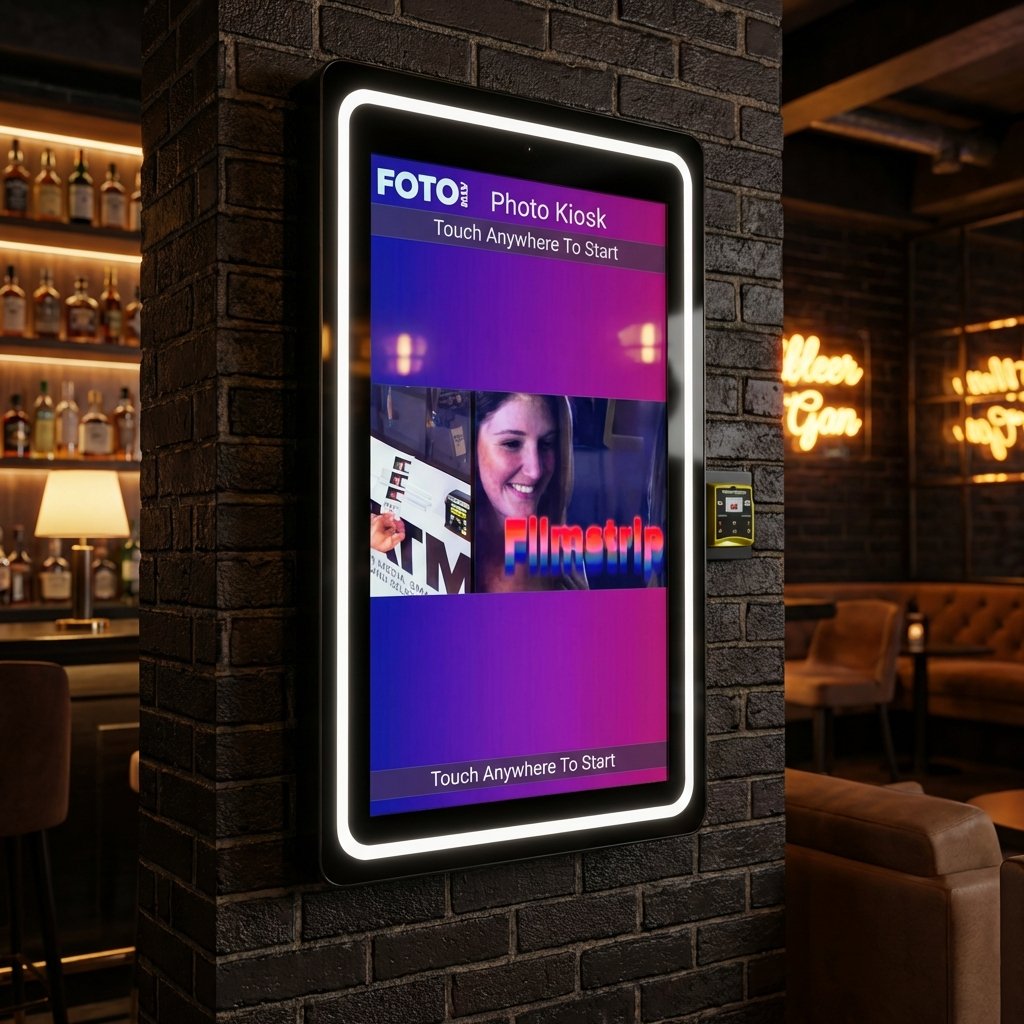
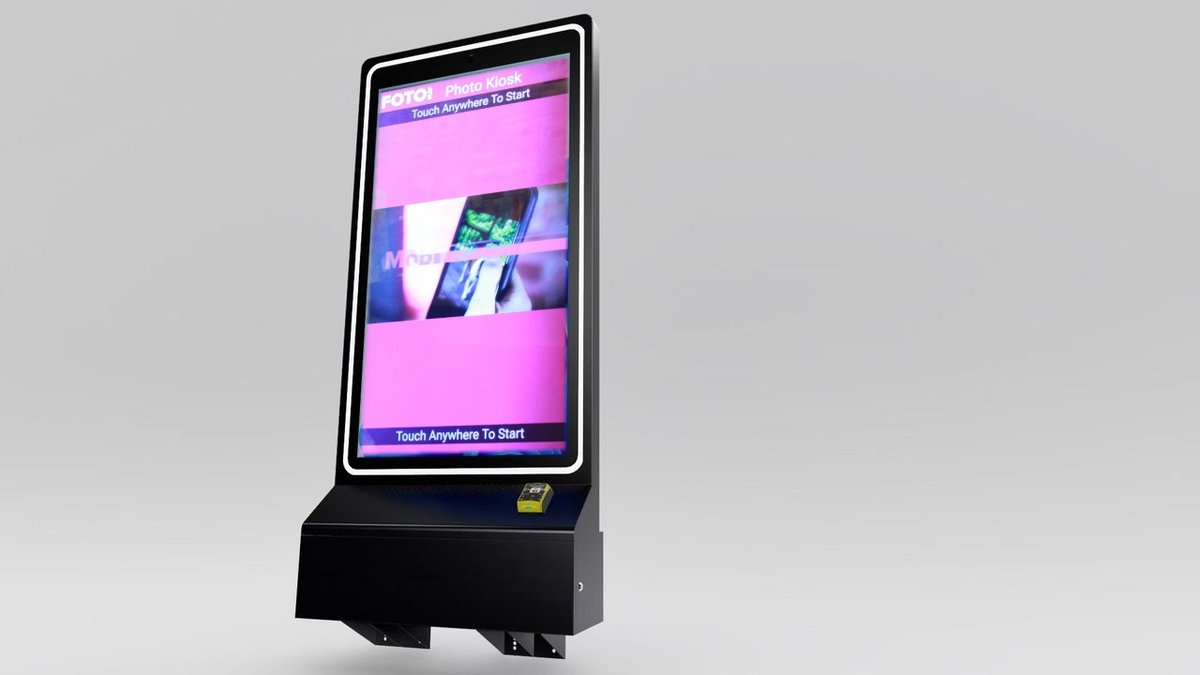
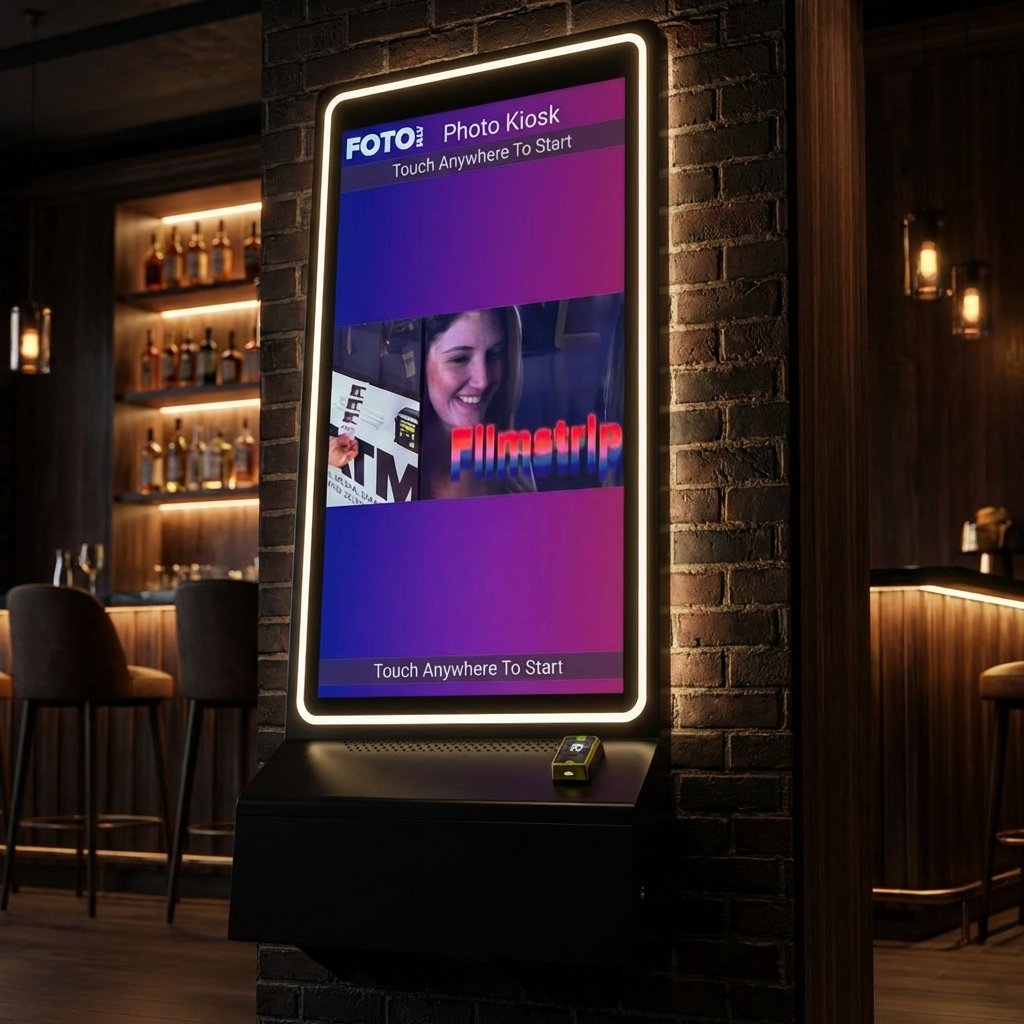
Modern photo booths now offer advanced features like AI transformations, augmented reality effects, interactive games, and customizable workflows. Platforms like Foto ATM let users create tailored experiences with photo filters, branded overlays, and AI-powered green screens — all manageable from a cloud dashboard.
Data collection must adhere to privacy regulations, with clear opt-in processes to ensure compliance. Testing all custom features beforehand is essential to avoid hiccups and guarantee smooth operation during the event.
sbb-itb-3201140
6. Eco-Friendly Photo Solutions
Eco-friendly photo solutions are becoming a staple in modern event planning, combining cutting-edge technology with sustainability. With over $1.7 trillion invested in energy transitions last year – a 17% year-over-year increase – there’s a clear shift toward greener practices across industries, including events. Digital-only photo booths are quickly gaining traction as the go-to option for environmentally conscious gatherings.
Here’s a closer look at how these solutions integrate technology, enhance engagement, scale for different events, and meet setup requirements.
Technology Integration Features
Modern eco-friendly photo booths are designed to reduce waste while delivering a seamless experience. Instead of printing photos, these booths send high-quality images, GIFs, slow-motion videos, and Boomerangs directly to attendees via email or SMS. This eliminates paper waste entirely.
Additionally, many booths feature energy-efficient LED lighting and are constructed using sustainable materials to further minimize their environmental impact. Some companies even include carbon offset options as part of their packages, making carbon-neutral operations a standard offering.
Impact on Attendee Engagement
These photo booths appeal to eco-conscious attendees by offering a digital-first experience. Instant sharing capabilities allow guests to save and share their photos without waste, creating a highly interactive experience. This setup encourages creativity and spontaneity, often resulting in fun, shareable moments that enhance social media buzz and leave guests with lasting digital memories.
Scalability for Events of Various Sizes
Eco-friendly photo booths are versatile enough to work for events of any size. For smaller gatherings, a single booth with sustainable props – like those made from wood or fabric – can serve as a charming centerpiece. Larger events can feature multiple stations spread throughout the venue, ensuring smooth operations and high engagement without compromising efficiency.
The rental model supports sustainability by allowing equipment to be reused across multiple events instead of being discarded after a single use. With the party favors market projected to reach $5.2 billion by 2027, these booths provide a sustainable alternative to physical items that often end up as waste.
Implementation and Setup Requirements
To successfully incorporate eco-friendly photo booths into your event, start by selecting vendors who prioritize sustainability and offer comprehensive green packages. Replace disposable plastic backdrops with reusable fabric, hanging plants, or other natural decorations that can be reused for future events. When props are needed, consider DIY options made from existing materials or invest in durable, multi-use items crafted from sustainable sources.
If physical prints are a must, opt for recyclable photo paper and limit printing to special requests. You can also explore power-free photography options, such as hiring a photographer or using portable devices like Ring Roamers.
Collaborate with your vendor to ensure every aspect of the booth – from digital delivery systems to decor – aligns with your event’s sustainability goals while maintaining the high-quality experience guests expect. These thoughtful choices help create memorable moments while reducing your event’s environmental impact.
7. Connected Event Platform Integration
Connected event platform integration takes photo booths to the next level, turning them into dynamic tools that link seamlessly with event management systems, social media, and marketing platforms. This transforms photo booths from simple fun features to powerful resources for data collection and audience engagement that extend well beyond the event’s duration.
Technology Integration Features
Today’s connected photo booths use APIs and cloud-based solutions to sync in real time with tools like registration platforms, CRM systems, and email marketing software. Virtual photo booths can even be embedded directly into event websites, making them accessible on smartphones, tablets, and laptops. This ensures all attendees can participate, no matter their device.
Social media integration allows attendees to instantly share their photos using event-specific hashtags, creating a live stream of user-generated content. This not only enhances the event’s visibility but also creates an interactive experience across social platforms. Additionally, features like QR scanning and badge reading simplify registration processes.
Some photo booths even integrate payment processing, enabling seamless transactions. Customizable branding options ensure the booth’s interface aligns perfectly with the event’s theme, delivering a consistent and immersive experience. These integrations complement modern trends like AI, AR, and self-service technology, rounding out a cohesive digital event experience.
Impact on Attendee Engagement
Integrated platforms dramatically increase attendee interaction. According to research, 72% of event attendees appreciate interactive experiences, and integrated photo booths serve as creative hubs for social sharing and brand engagement.
“Integrating user-generated and social content with an interactive photo marketing campaign can give people the opportunity to share their positive experiences with your brand online, which is now an essential part of influencing a consumer’s purchasing decisions.” – Keshot
Event organizers can use these integrations to launch photo challenges, contests, or themed activities that align with event goals. Photos can appear instantly on event screens or websites, fostering a sense of community. This approach often leads to 75% higher participation rates compared to standalone photo booths.
Instant social sharing further amplifies the event’s reach. When attendees use event-specific hashtags, their posts become part of a broader conversation, extending the event’s visibility into their personal networks and creating ongoing organic marketing opportunities.
Scalability for Events of Any Size
Connected photo booth systems are flexible enough to work for events of all sizes. For smaller gatherings of 50-100 attendees, a single booth can act as both a fun activity and a data collection tool, capturing valuable attendee information for future outreach. Cloud-based systems make it possible for even smaller events to access advanced features without requiring heavy infrastructure.
For larger events, multiple booths can be deployed, all feeding data into a central system. This provides a complete view of attendee engagement across different areas of the venue while maintaining consistent branding and data standards. Real-time tracking of participation and engagement metrics allows organizers to make on-the-spot adjustments to maximize the event’s impact.
Hybrid events benefit from virtual integration, allowing remote attendees to participate through virtual photo booths accessed via the event platform. This ensures inclusivity, enabling everyone to join in regardless of location.
Implementation and Setup Requirements
To fully realize the benefits of connected photo booths, proper planning and execution are key. Start by selecting a photo booth solution with robust API capabilities and experience integrating with your existing event platform. Make sure the system can handle the expected volume of data and social interactions without lags or crashes.
Technical setup involves configuring API connections between the photo booth software and your event management system, CRM, and social media accounts. This typically requires collaboration between your IT team, the photo booth vendor, and your event platform provider. Many professional photo booth companies offer technical support for these integrations as part of their service.
Develop a well-thought-out hashtag strategy, including a primary event hashtag and secondary tags for specific activities or sponsors. Test all integration points before the event to ensure smooth data flow, social media sharing, and branding elements.
Don’t overlook bandwidth requirements – photo booths need stable internet connections for real-time functionality. Ensure your venue’s network can handle the added load, and consider backup connectivity options to avoid disruptions during peak usage.
Finally, implement strong data management and privacy protocols. Make sure your setup includes clear consent mechanisms and complies with all relevant privacy regulations to protect attendee information and maintain trust. By addressing these details, you can provide a seamless, engaging experience for attendees while safeguarding their data.
8. Advanced Security and Privacy Controls
When it comes to photo booths, advanced security and privacy controls are no longer optional – they’re essential. These features ensure personal data is protected while still delivering the fun, interactive experiences users expect.
Technology Integration Features
Modern photo booths now use sophisticated, multi-layered security measures to keep data safe at every step. Whenever possible, photos are processed locally, avoiding unnecessary data transfers. If processing in the cloud is required, data is encrypted using industry-standard protocols.
Data transmission is secured through encrypted channels, protecting sensitive information like email addresses and photos during transfer. On top of this, tools like VPNs and firewalls create secure pathways between system components, reducing vulnerabilities.
Privacy controls give users the power to manage their data. Features like private session modes allow users to opt out of data storage entirely, while others provide the ability to delete photos after use. Clear, upfront explanations about how data is used and stored build transparency and trust.
Impact on Attendee Engagement
Strong security measures don’t just protect data – they also encourage participation. Research shows that 88% of individuals are more likely to share personal information if they trust the company handling it. McKinsey adds that 87% of consumers will avoid doing business with companies they distrust, and 71% would disengage entirely if their data were shared without consent.
“The key to event engagement is to create a sense of community and belonging.” – Amy Porterfield, Digital Course Creation
Additional privacy features, like face-blurring options and watermark controls, provide peace of mind. Flexible sharing options let users choose how and where their photos are distributed, making them more comfortable and willing to participate.
Scalability for Events of Various Sizes
Security systems need to adapt to the size of the event. For smaller gatherings, simple privacy controls and local data processing can keep things streamlined and secure. For larger events, centralized security management with robust authentication protocols ensures smooth performance even during peak usage. Corporate events, in particular, may require advanced encryption and stricter access controls to meet regulatory requirements while maintaining a seamless user experience.
Implementation and Setup Requirements
Getting security right starts with choosing the right vendor. Event organizers should only work with providers that meet strict data protection standards and have systems designed to prevent unauthorized access.
A clear privacy policy is equally important. It should explain, in plain language, how data is collected, used, and stored, reassuring attendees that their information won’t be shared without their explicit consent.
Technical preparation is another key factor. Venues need stable, encrypted internet connections to support the added security measures, and having backup connectivity options ensures continuous protection. Staff training is just as critical – team members need to understand privacy policies, consent procedures, and how to communicate these features effectively to attendees.
“With Iris, our entire badging process is stress-free. No more scheduling photographers for every new hire or visitor – we’re finally able to maintain strict security protocols without the administrative burden.” – Alex R, Security Manager at Metro Health System
Finally, regular audits and compliance updates are essential to keep systems in line with changing privacy laws. Vendors who promptly update their policies and technology in response to new regulations help event organizers stay ahead of potential issues.
Feature Comparison: Standard vs. 2025 Photo Booths
When comparing traditional photo booths to their 2025 counterparts, the differences in design, functionality, and connectivity are striking.
Experience and Design Philosophy
Traditional photo booths are all about nostalgia, offering a private, curtained space that feels timeless. In contrast, 2025 models embrace open-air designs, creating a more social and interactive atmosphere. These modern systems also feature sleek, contemporary aesthetics with large touchscreens, giving them a futuristic edge.
Photo Quality and Output Options
Classic photo booths stick to the iconic 2×6-inch photo strips – charming but somewhat limited in terms of creativity and sharing options. On the other hand, 2025 systems provide 4×6-inch prints and digital sharing capabilities, giving guests more options to preserve and share their memories.
The technology behind modern booths is also a game-changer. High-resolution cameras in 2025 systems can capture slow-motion, time-lapse, and cinematic effects. These features elevate the photo experience, making it more dynamic and versatile.
Technology Integration and Features
Modern photo booths come packed with advanced technology, setting them apart from their predecessors. Here’s a quick breakdown:
| Feature Category | Standard Photo Booths | 2025 Photo Booths |
| AI Capabilities | None | Real-time photo enhancements, emotion detection, personalized suggestions |
| Sharing Options | Physical prints only | Instant social media sharing, digital delivery |
| Customization | Limited props and backgrounds | AI green screen, customizable branding, event overlays |
| Interactive Elements | Basic camera operation | AR props, 360-degree video, voice controls |
| Space Requirements | Larger footprint | Compact, flexible designs |
Social Media and Sharing Revolution
Traditional booths focus solely on physical prints, but 2025 systems take sharing to the next level with instant digital uploads to platforms like Instagram, Facebook, and TikTok. Some even optimize content for vertical video formats, ensuring it grabs attention on mobile-first platforms.
Environmental and Operational Considerations
Sustainability is another area where modern booths shine. Traditional setups depend on physical prints, leading to ongoing paper and ink costs, not to mention waste. In contrast, 2025 models embrace eco-friendly designs, offering digital-only options, using sustainable materials, and incorporating energy-efficient components.
Operationally, modern booths are more efficient. Self-operating kiosks cut down on staffing needs, while real-time analytics give event organizers instant insights into guest engagement and booth performance.
Return on Investment Perspective
Modern 360 photo booths are not just crowd-pleasers – they’re also money-makers. They can generate $600–$1,000 per event while racking up thousands of online views, likes, and shares, making their premium pricing easy to justify. Their compact and versatile designs also address venue challenges, adding to their overall appeal.
Setup and Space Flexibility
Traditional enclosed booths often require a dedicated footprint and specific lighting conditions, which can be tricky in smaller or uniquely shaped venues. In contrast, 2025 systems are designed for flexibility. Their compact, open-air designs adapt to various layouts, accommodate larger groups, and allow for creative staging with existing venue backdrops. This adaptability makes them a great fit for everything from intimate corporate events to sprawling festivals.
Conclusion
Photo booths are reshaping event entertainment in 2025, offering more than just new tech – they’re opening up fresh ways for people to connect, share, and create lasting memories.
For event planners, staying ahead by adopting these innovations is no longer optional. Here’s why: 80% of consumers are more likely to engage with brands offering personalized experiences, while 60% of Millennials and 53% of Gen Z attendees actively seek events with experiential elements. These aren’t just nice-to-haves; they’re baseline expectations for today’s events.
As Julie Coraccio, CEO of BizBash, puts it:
“Experiential marketing is no longer a trend; it’s a necessity. Events are becoming platforms for brands to create immersive experiences that resonate deeply with consumers. The focus is shifting from traditional one-way communication to interactive and engaging encounters.”
Julie Coraccio, CEO of BizBash
The numbers back up the financial potential too. The global photo booth market is on track to grow at a 9.3% CAGR through 2035, potentially reaching $1.42 billion. For individual events, modern photo booth setups can generate between $600 and $1,000 per event. Businesses that embrace these features are seeing 30–40% higher engagement rates compared to traditional methods, and 85% of customers are more likely to make a purchase after attending a live event.
Sustainability is another major driver. With 60% of attendees preferring eco-friendly events, integrating green solutions into photo booth setups is becoming essential. Corey Oakley, CEO of Green Event Solutions, emphasizes this shift:
“Sustainability is a top priority for event planners and attendees alike. Events are increasingly expected to have a minimal environmental impact. Incorporating eco-friendly practices and showcasing social responsibility initiatives will be crucial for event success.”
Corey Oakley, CEO of Green Event Solutions
Photo booths are also evolving into full-fledged entertainment hubs. With features like gamification, they’re transforming passive audiences into active participants, boosting engagement by as much as 44%. These advancements make it clear that photo booths are no longer just about taking pictures – they’re about creating immersive, interactive experiences.
The trends outlined here are already shaping the industry, and they’re set to become standard by the end of 2025. For event professionals, the message is clear: adapt to these changes now or risk falling behind.
FAQs
How does AI-powered photo editing improve event photos and boost attendee engagement?
AI-driven photo editing is changing the game for event photography by handling tasks like exposure adjustments, color tweaks, and sharpening – all with minimal effort. The result? Consistently polished images that event organizers can confidently share, leaving attendees impressed.
But it doesn’t stop there. AI can also add a personal touch by analyzing what attendees might like and suggesting filters or styles that match their preferences. This makes the photo experience more engaging and encourages attendees to share their pictures on social media, boosting the event’s visibility and interaction online.
How can eco-friendly photo booths support sustainability efforts at events?
Eco-friendly photo booths are a smart way to make events more sustainable by incorporating environmentally-conscious practices. For example, using LED lighting significantly lowers energy consumption compared to traditional bulbs, helping to reduce the event’s overall carbon footprint. Opting for digital-only photo outputs is another step in the right direction, as it eliminates the need for printed photos, cutting down on paper usage and waste from printing supplies. Meanwhile, choosing recyclable or reusable props and backdrops ensures materials can be used multiple times instead of being tossed out after one event.
These thoughtful choices not only help reduce the environmental impact of events but also cater to the increasing demand for greener event solutions. Plus, they leave a lasting, positive impression on guests while aligning with broader sustainability efforts.
How do augmented reality features in photo booths enhance guest experiences and boost engagement at events?
Augmented reality (AR) features in photo booths take guest experiences to the next level by merging virtual elements with real-world settings. Imagine snapping a photo while interacting with digital props, animated effects, or custom-themed backgrounds – it transforms a simple picture into a fun and memorable keepsake. Whether it’s posing alongside virtual characters or stepping into a fully customized AR scene, each photo becomes its own little story.
These AR photo booths don’t just create cool pictures; they spark curiosity and get people talking. Their interactive nature naturally draws attention, making them a conversation starter at any event. And let’s not forget the social media factor – guests love sharing these unique photos online, giving your event extra visibility. By blending cutting-edge tech with pure entertainment, AR photo booths leave a lasting impression and encourage more meaningful engagement among attendees.
Ready to add passive revenue to your venue? Take the 60-second kiosk quiz to find your perfect match, or compare all models side by side.